Can You Use Portable Power Station in Rain?
Operating portable generators in wet weather introduces severe electrical hazards. Understanding moisture limits prevents catastrophic short circuits.

Standard portable power stations are not waterproof and must never be exposed to direct rainfall. Always use elevated, dry enclosures during adverse weather conditions.
Ready to compare models? Start with our Best Portable Power Station: Top Backup & Off-Grid Picks.
Practical Quick-Reference Table
| Scenario / Metric | Recommended Target | Why It Matters |
|---|---|---|
| Light Drizzle | Enclosed Shelter | Prevents moisture ingress |
| Heavy Downpour | Indoor Storage | Absolute electrical safety |
| IP Rating Minimum | IPX4 or Higher | Resists splashing water |
| Operating Humidity | Under 90% RH | Avoids internal condensation |
| Storage Temperature | 10°F to 104°F | Protects lithium chemistry |
| Ground Clearance | Minimum 6 Inches | Avoids pooling water |
Understanding Ingress Protection Ratings for Wet Conditions
Electrical enclosures rely on standardized IP ratings to indicate water resistance levels. These two distinct digits define particle and moisture protection capacities accurately across various hardware configurations.
The first digit measures solid object intrusion resistance from tools or debris. The second digit specifies protection against harmful liquid ingress during specific spray tests.
Most consumer power stations feature low IP ratings or lack them entirely. Before selecting gear featured in our best camping power station rankings, verify environmental protection limits to avoid severe water damage.
Industrial models sometimes achieve IP54 or higher certification thresholds. Such ratings handle minor splashes but still prohibit direct submersion or continuous torrential downpour exposure.
- Check manufacturer manuals for exact IP specifications.
- Never assume outdoor units withstand heavy driving rain.
- Dust-resistant ratings do not imply water resistance.
- Keep ventilation ports sealed from moisture sources.
Evaluating Outdoor Rating Limitations
Marketing terms like weather-resistant hold no formal legal standardization in electronics manufacturing. Users must verify official certification certificates rather than relying on promotional descriptions.
High humidity environments can also trigger internal condensation without direct rain contact. Circuit boards fail rapidly when moisture bridges microscopic electrical traces under load.
- Verify independent laboratory certification documents.
- Treat all unsealed ports as vulnerable.
Weatherproofing Strategies and Protective Enclosures
Operating in wet weather demands physical barriers between the generator and falling water. Dedicated weatherproof deployment boxes offer reliable protection against driving rainstorms.
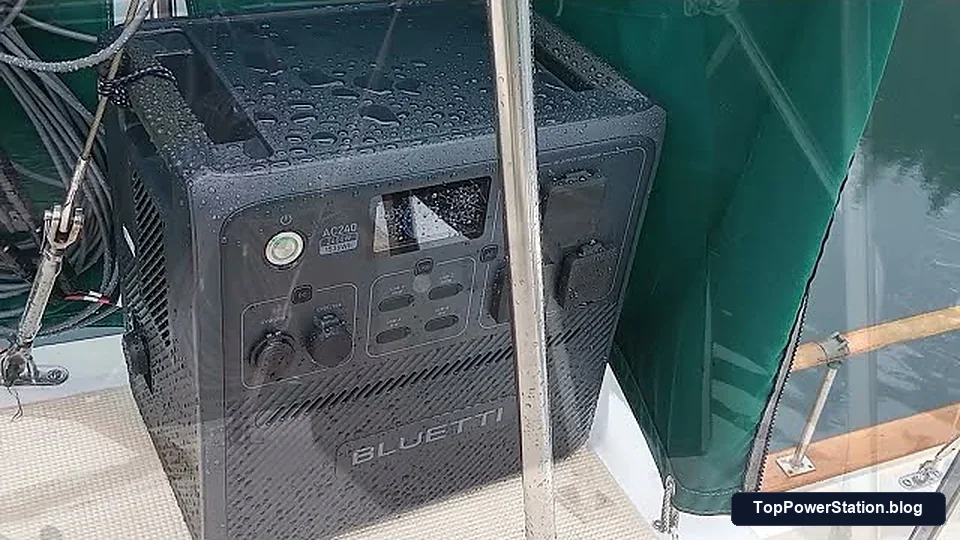
Ensure your protective shelter maintains adequate cross ventilation to prevent dangerous heat buildup. You can also use our runtime wh calculator to estimate energy consumption limits during heavy power draws.
Position the enclosure on an elevated platform to avoid ground runoff pooling. Water flowing across the ground can easily seep into bottom-mounted cooling vents quickly.
Rigid plastic storage bins modified with cable ports create makeshift dry stations. Always angle cable entry points downward to prevent rainwater from following wire contours inward.
- Use rigid plastic bins with gasket seals.
- Maintain clearance around all exhaust vents.
- Elevate enclosures above expected flood levels.
- Secure lightweight shelters against high winds.
Constructing a DIY Ventilation Shield
Cut low-profile intake and exhaust ports on opposite sides of your storage bin. Cover these openings with fine mesh to block splashing while permitting necessary airflow.
Monitor internal temperatures closely using a remote digital thermometer during sustained heavy loads. Thermal throttling activates immediately if ambient enclosure heat exceeds safe operational thresholds.
- Monitor internal operating temperatures continuously.
- Keep mesh screens clear of debris.
Video Walkthrough: How to Safely Run a Portable Generator in Hurricane Force Rain, Wind and Storms | GenTent Tested
Assessing Electrical Risks in Damp Operating Environments
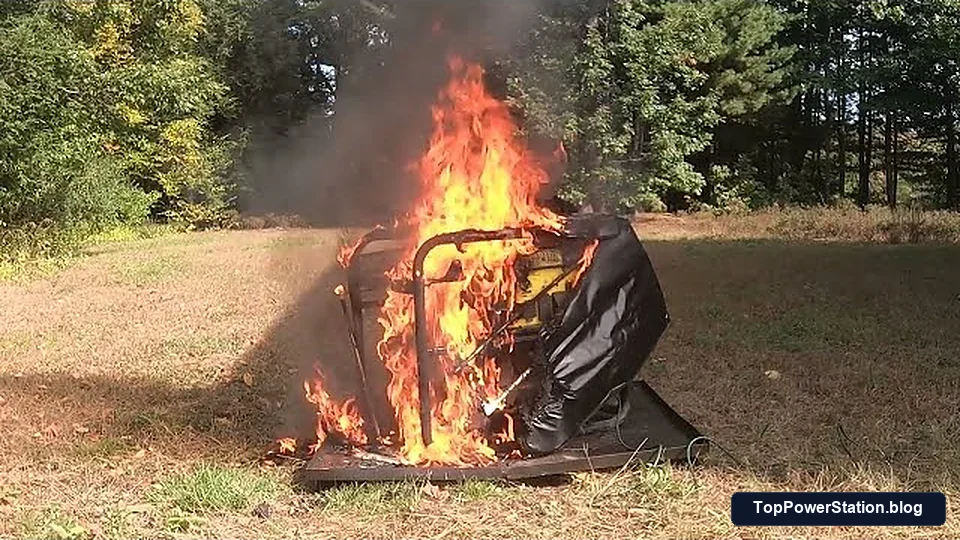
Water bridges conductive pathways, creating hazardous short circuits within sensitive lithium battery management systems. This phenomenon can permanently fry internal inverters within milliseconds.
Ground fault hazards escalate dramatically when operating ungrounded electrical equipment on wet terrain. Users risk severe electric shock if compromised insulation contacts damp outer chassis components.
Lithium-ion battery chemistry reacts violently when exposed to external moisture sources combined with current. Internal shorting can trigger catastrophic thermal runaway events without warning.
Always utilize ground fault circuit interrupter adapters on every active output receptacle. These safety devices trip instantly upon detecting stray current leakage into wet surroundings.
- Never touch metal chassis parts with wet hands.
- Install GFCI adapters on all active ports.
- Disconnect loads immediately if moisture enters.
- Avoid operating units barefoot on mud.
Understanding Thermal Runaway Triggers
Moisture breaches battery management seals and corrodes internal busbars over time. This corrosion increases electrical resistance, generating localized heat that sparks dangerous chain reactions.
Once thermal runaway initiates inside a lithium cell, standard fire extinguishers prove ineffective. Professional intervention remains necessary to manage volatile battery chemical fires safely.
- Inspect battery management system seals regularly.
- Keep specialized fire suppression equipment nearby.
Safe Cable Management During Inclement Weather
Extension cords running through rain require heavy-duty outdoor-rated insulation jackets. Standard indoor cords permit moisture penetration, leading to dangerous arc flashing and blown fuses.
Protect every cord connection point using specialized watertight connection covers or enclosures. Never let plug interfaces rest directly on wet grass or accumulating puddles.
Form a strategic drip loop on all cables entering shelters or equipment ports. Gravity pulls running water downward, causing droplets to fall off before reaching receptacles.
Inspect cord insulation thoroughly for cuts or abrasions before deploying outdoors in storms. Damaged wiring exposes live conductors, creating lethal electrical hazards in damp environments.
- Use only outdoor-rated SJTW or SOW cords.
- Elevate all plug connections off the ground.
- Form drip loops on every cable run.
- Replace frayed or cracked wiring immediately.
Securing Plug Junctions Outdoors
Encase extension cord junctions inside heavy plastic locking boxes designed for holiday lights. This prevents accidental disconnection and shields sensitive metal contacts from wind-driven rain.
Wrap connection seams with heavy-duty self-fusing silicone tape for permanent outdoor installations. The tape bonds securely, creating a waterproof barrier around vulnerable plug interfaces.
- Lock plug junctions inside protective housings.
- Check tape seals before every rainstorm.
Emergency Drying Procedures for Accidental Water Exposure
If moisture penetrates your power station, disconnect all loads and power sources instantly. Review options inside our best home backup power station roundup to replace damaged emergency units safely.
Place the compromised unit in a well-ventilated, dry indoor location immediately after exposure. Remove any removable battery modules or external protective panels to accelerate evaporation.
Direct a cool airflow across the unit using an electric fan for several hours. Never use high-heat hair dryers, as extreme temperatures warp plastic housings and damage batteries.
Avoid powering the device back on until internal compartments are completely dry. Premature activation guarantees catastrophic short-circuiting across sensitive inverter boards and control microchips.
- Disconnect all power sources and loads instantly.
- Move the unit indoors to dry air.
- Use cool fan airflow for evaporation.
- Wait twenty-four hours before testing operation.
Addressing Internal Moisture Seepage
Stubborn internal humidity requires professional disassembly by authorized service technicians. Untrained users risk damaging delicate ribbon cables and voiding remaining manufacturer warranty protections.
Desiccant packs placed around the housing can help absorb lingering moisture from tight spaces. Ensure these packets never contact exposed circuit boards directly during drying.
- Use silica gel packs for enclosed drying.
- Consult professionals for deep internal moisture.
Video Walkthrough: This Waterproof Innovation Changes Everything | Portable power station waterproof
Alternative Power Solutions When Heavy Rain Strikes
Sustained severe weather demands shifting your critical loads to true indoor power sources. Portable generators must remain outside, requiring inventive shelter configurations or indoor battery units.
Dedicated indoor power banks featuring chemical profiles like lithium iron phosphate offer safety. These advanced stationary units operate safely inside living spaces without emitting toxic combustion fumes.
Grid-tied backup systems with automatic transfer switches eliminate outdoor risks entirely. When upgrading your setup, consult our best portable power station guide to find resilient models for permanent indoor installation.
Solar generator setups require careful planning when intermittent rainstorms threaten continuity. Keep photovoltaic panels outdoors while maintaining absolute watertight isolation for the central power storage unit.
- Shift critical loads to indoor power banks.
- Keep fuel-burning generators strictly outdoors.
- Use automatic transfer switches for safety.
- Protect solar panel wiring from moisture.
Managing Solar Arrays in Wet Weather
Photovoltaic panels withstand rain easily, but their junction boxes remain vulnerable points. Ensure all panel back-feed cables feature secure waterproof connectors before storms arrive.
Wet solar panels generate slightly less power due to light scattering effects from droplets. Clean glass surfaces after storms pass to restore optimal energy capture efficiency.
- Inspect photovoltaic junction box seals frequently.
- Wipe down solar glass after rainstorms.
Best Practices for Post-Storm Equipment Inspection
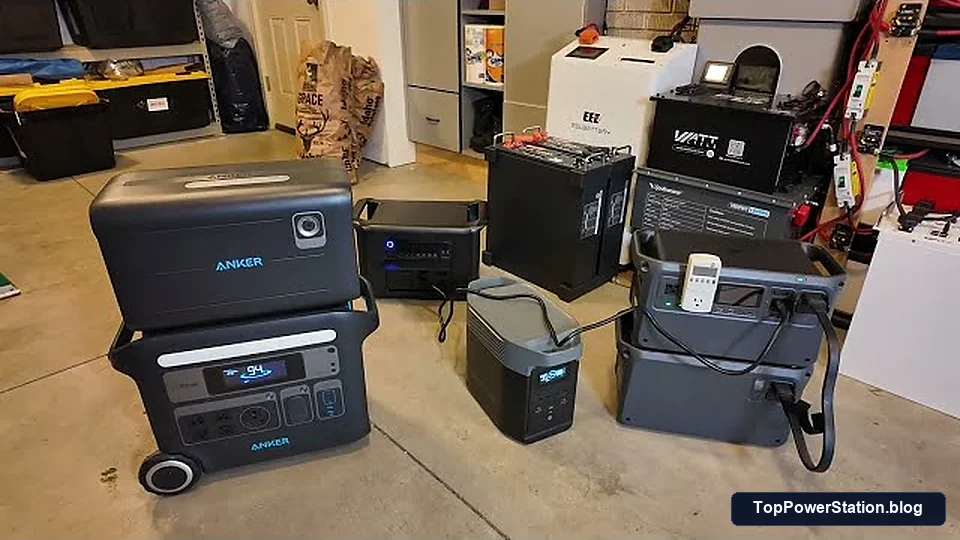
Following severe weather, conduct a thorough physical inspection of your power equipment. Look for water stains, rust accumulation, or unusual odors indicating internal electrical damage.
Test all AC and DC output ports individually using a reliable multimeter tool. Verify that voltage output matches manufacturer specifications before plugging in sensitive electronic devices.
Check cooling fan operation to ensure no moisture seized the internal motor bearings. Unusual grinding noises indicate immediate bearing failure requiring professional repair or replacement.
Clean and dry all accessory cables before returning them to storage compartments. Storing damp cords promotes mold growth and accelerates metal corrosion across plug prongs.
- Inspect equipment housings for water stains.
- Test output voltages with a multimeter.
- Listen for unusual cooling fan noises.
- Dry all accessory cables thoroughly.
Performing Voltage and Load Testing
Plug a basic non-sensitive appliance like a lamp into the unit first. Observe performance for ten minutes before connecting expensive computers or medical life-support hardware.
Document any operational anomalies immediately for future maintenance tracking and warranty claims. Early detection of water damage prevents unexpected failures during subsequent emergency power outages.
- Test with low-wattage non-critical appliances first.
- Document performance anomalies for warranty records.
Frequently Asked Questions
Can I run a portable power station outside in light rain?
Standard units are not waterproof and should never be exposed directly to precipitation. Always shelter your equipment under a dry, well-ventilated structure during wet weather.
What happens if water gets inside my power station?
Moisture bridges internal circuits, causing immediate short circuits and permanent inverter damage. Disconnect all loads instantly and let the unit dry completely before testing.
Are there weatherproof power stations available on the market?
Some industrial models feature high IP ratings to resist splashing water. However, fully waterproof consumer units remain rare, and manufacturers still prohibit submersion or heavy downpours.
How can I protect my charging cables in the rain?
Use outdoor-rated cords with heavy insulation jackets and secure all plug junctions inside locking boxes. Always form downward drip loops to prevent water runoff entry.
Is it safe to use a solar generator during a thunderstorm?
While panels handle rain, lightning strikes pose extreme electrocution and surge risks. Disconnect outdoor arrays and bring portable storage units indoors when severe storms approach.