Can a Portable Power Station Power a Space Heater?
Running thermal appliances requires careful watt-hour calculations. Most standard batteries deplete rapidly under high continuous resistance loads.

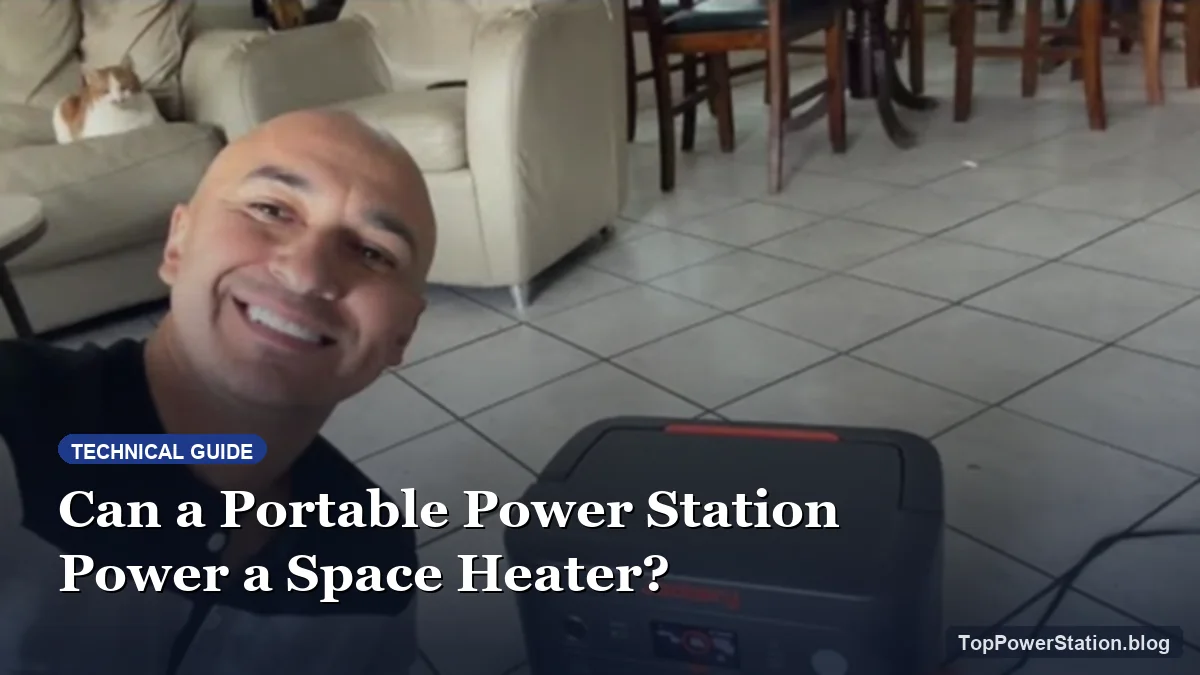
You can technically run a heater if its wattage matches your inverter limit, but expect extremely short runtimes. Always verify your continuous power threshold before plugging in heating elements.
Ready to compare models? Start with our Best Portable Power Station: Top Backup & Off-Grid Picks.
Practical Quick-Reference Table
| Scenario / Metric | Recommended Target | Why It Matters |
|---|---|---|
| Heater Wattage | Under 1000 Watts | Matches standard portable inverter limits. |
| Battery Capacity | 2000Wh or Greater | Provides meaningful runtime during outages. |
| Inverter Type | Pure Sine Wave | Protects digital thermostat control boards. |
| Clearance Zone | 3 Feet Minimum | Prevents localized thermal accumulation risks. |
| Extension Cords | Direct Connection | Eliminates dangerous resistance and melting. |
| Operating Temp | Moderate Climate | Prevents premature thermal protection shutdowns. |
Understanding Thermal Loads and Battery Chemistry
Space heaters represent some of the most demanding resistive loads on the electrical grid. Standard resistive heating elements draw massive amounts of current continuously without cycling down.
Lithium iron phosphate or nickel manganese cobalt chemistries handle high discharge rates effectively. However, chemical resistance does not prevent rapid energy depletion during sustained high-amperage draws.
Connecting a standard one-thousand-watt heater to a portable generator drains capacity in minutes. Internal battery management systems monitor cell temperatures closely to prevent catastrophic thermal runaway events.
Understanding these fundamental electrical principles helps prevent unexpected power loss during freezing weather emergencies. Always cross-reference your heater specifications with the maximum inverter output rating.
Advanced thermal management relies on active cooling systems inside the generator enclosure. Without proper airflow, internal components reach critical temperature thresholds very quickly during heavy operations.
- Resistance heaters convert electrical energy directly into heat.
- High continuous draw strains internal inverter components.
- Battery management systems protect against thermal overload.
- Chemical degradation accelerates under maximum discharge rates.
Resistive Load Characteristics
Resistive appliances do not feature inductive motor startup spikes found in compressors. Instead, they demand their rated maximum amperage from the exact second of activation.
This flat, unrelenting power curve places continuous stress on cooling fans and circuit boards. Monitoring internal temperature sensors is crucial during extended heating sessions.
Thermal inertia means the appliance continues drawing maximum power until manually switched off. Inverter hardware must sustain this peak output without faltering under pressure.
- Constant current draw without startup surges.
- Sustained thermal output requires robust cooling.
Calculating Continuous Wattage Versus Surge Requirements
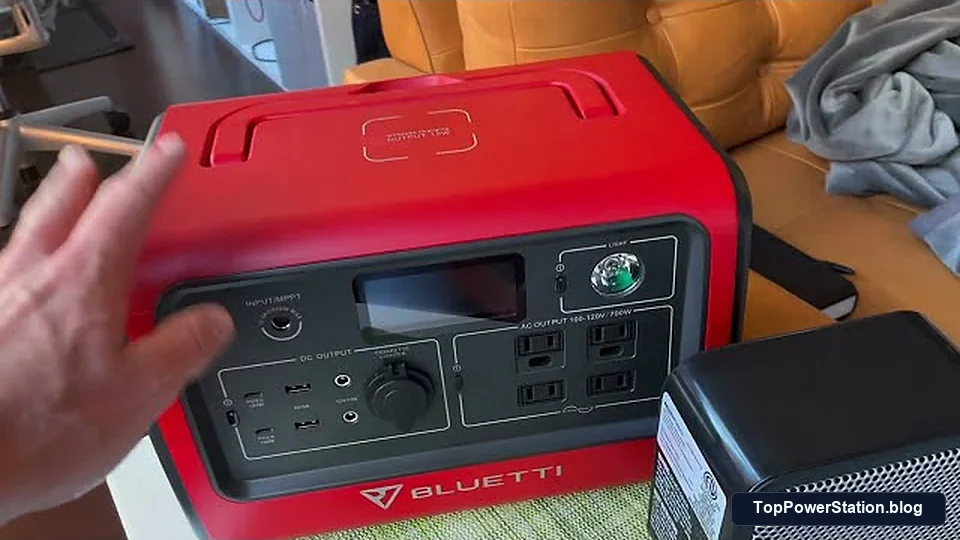
Evaluating your heating appliance requires looking beyond basic marketing claims on product packaging. Locate the permanent specification label on the back of your heating unit.
Most residential space heaters operate between one thousand and fifteen hundred watts on high settings. Consult our best portable power station for space heater picks to match your exact heating load safely.
Surge capacity matters less for resistive heaters than it does for motorized equipment. However, electronic thermostats and digital displays still require stable, clean sinusoidal waveforms.
Divide your power station watt-hour capacity by the heater wattage to estimate runtime. A two thousand watt-hour unit powers a thousand-watt heater for roughly two hours.
Always account for inverter efficiency losses, which typically consume ten to fifteen percent of stored energy. Real-world runtimes will always fall slightly below theoretical mathematical calculations.
- Locate exact wattage ratings on appliance labels.
- Ensure continuous inverter output exceeds heater demand.
- Pure sine wave inverters protect digital thermostat controls.
- Calculate runtime by dividing capacity by wattage.
Efficiency Losses and Inverter Overhead
Inverting stored direct current into usable alternating current generates internal heat and waste. This conversion process reduces total usable energy available for your heating appliance.
Factoring in conversion efficiency prevents unexpected blackouts during critical emergency heating tasks. Smart users always build a safety margin into their runtime estimates.
High power output levels increase internal resistance losses across wiring harnesses and circuit boards. Keeping loads within moderate ranges preserves overall system efficiency.
- Inversion processes introduce measurable energy conversion losses.
- Build safety margins into emergency power calculations.
Video Walkthrough: Best Power Station For A Space Heater 2026: Top 8 Picks for Safe, Reliable Heat
Step-by-Step Power Station Deployment for Heating Units
Proper deployment begins by placing your portable generator on a dry, level surface. Review our best portable power station options to ensure adequate cooling clearances and prevent internal heat buildup.
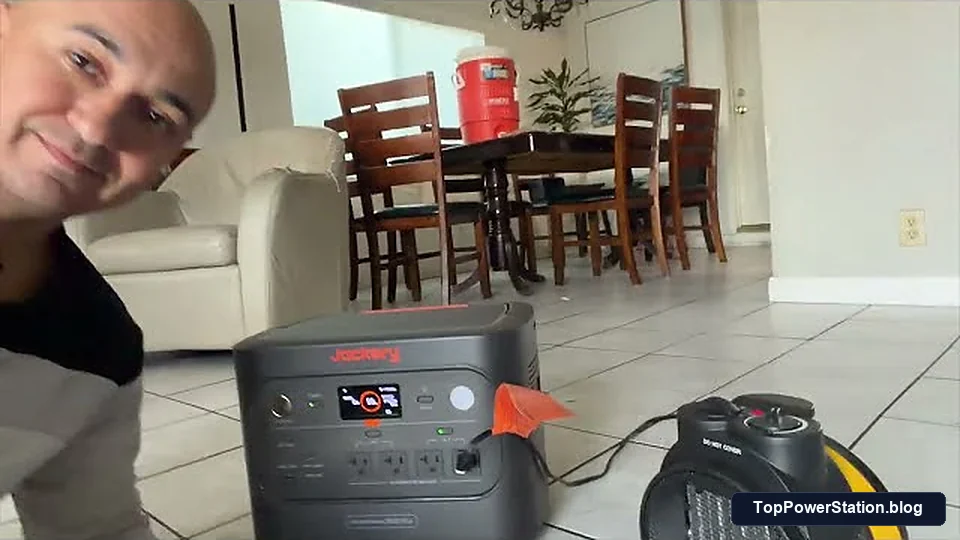
Turn off the space heater entirely before plugging its power cord into the AC outlet. Connecting appliances while the inverter is active can cause micro-arcs.
Power on the station master switch, then select the lowest heating setting initially. Gradual loading allows the internal cooling fans to ramp up alongside thermal demands.
Never use ungrounded extension cords or multi-tap adapters between the unit and heater. Direct connection minimizes resistance and prevents dangerous localized cord melting incidents.
Monitor the digital display panel continuously during the first twenty minutes of operation. Watch for sudden voltage drops or warning indicator lights flashing on the screen.
- Position generators on dry, level, well-ventilated surfaces.
- Connect appliances only after activating the inverter.
- Start on low settings to monitor initial draw.
- Avoid extension cords to reduce resistance risks.
Initial Startup Monitoring Protocols
Observing the initial power draw helps identify hidden faults before they trigger overloads. Check that cooling fans spin freely without abnormal mechanical grinding noises.
Verify that outlet receptacles remain cool to the touch during the test phase. Excessive heat at the plug interface indicates poor internal contact pressure.
Document initial battery drain rates to establish reliable baseline performance metrics.
- Check outlet receptacle temperatures frequently.
- Verify cooling fan operation immediately.
Managing Inverter Overloads and Thermal Shutdowns
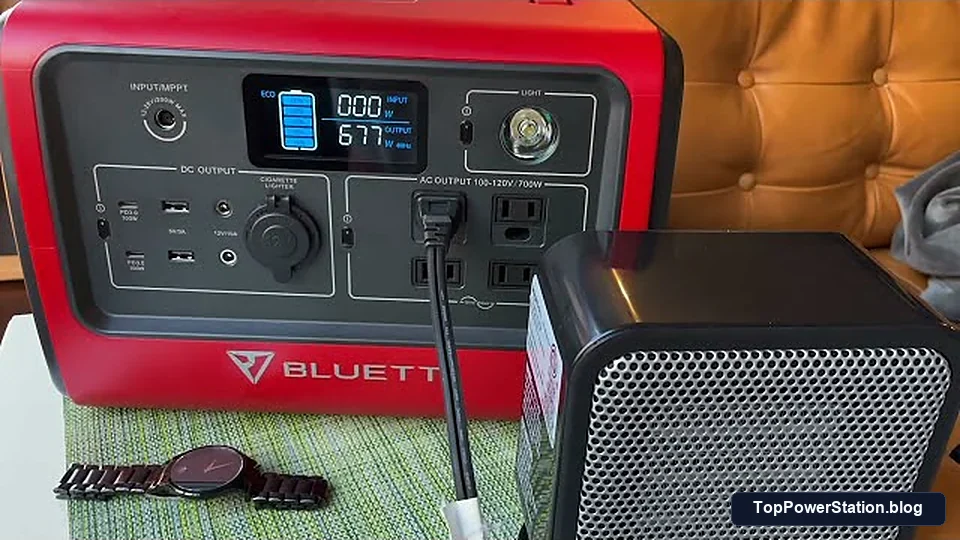
Exceeding your inverter maximum continuous rating triggers an immediate protective shutdown sequence. Modern units cut AC output instantly to prevent permanent internal component frying.
Thermal shutdowns occur when ambient temperatures or internal heat sinks exceed safe operating limits. Heavy heating loads generate massive amounts of waste heat very quickly.
If a shutdown occurs, unplug the heater immediately and allow the generator to rest. Never force a restart while internal components remain dangerously hot.
Inspect ventilation ports for dust blockages that could restrict essential airflow during high-draw operations. Keeping intake filters clean ensures optimal thermal management performance.
Frequent overloads degrade inverter lifespan and weaken internal solid-state switching transistors over time. Respecting rated operational thresholds prevents premature hardware failure during emergencies.
- Overload protection cuts power instantly during spikes.
- Thermal sensors trigger shutdowns during excessive heat.
- Allow adequate cooling time after unexpected stoppages.
- Inspect and clean cooling vents regularly.
Troubleshooting Sudden Power Interruptions
Sudden power loss during heating operations usually points toward thermal or amperage limits. Review error codes displayed on the LCD screen to diagnose the issue.
Moving the generator to a cooler environment often resolves recurring thermal shutdown problems. Ensure unobstructed airflow around all intake and exhaust vents.
- Analyze LCD error codes for specific faults.
- Improve ambient airflow around cooling fans.
Environmental Safety Protocols and Ventilation Standards
Operating high-wattage heating equipment indoors demands strict adherence to general fire safety standards. Keep portable generators away from flammable textiles, curtains, and paper products.
Maintain a minimum clearance zone of three feet around both the heater and generator. Carbon monoxide is not a risk with electric units, but electrical fires remain possible.
Never operate power stations in damp basements or exposed outdoor rain without proper cover. Moisture intrusion can bridge electrical contacts and cause severe short circuits.
Use heavy-duty, certified surge protectors or direct wall integration when testing backup loops. Prioritizing physical safety prevents property damage during emergency grid outages.
Store appropriate fire suppression equipment nearby whenever testing high-draw electrical heating configurations. Being prepared for worst-case scenarios ensures household safety during storms.
- Maintain a three-foot clearance from all flammables.
- Protect electrical equipment from moisture and rain.
- Inspect power cords for fraying or damage.
- Keep fire extinguishers accessible during testing.
Indoor Placement and Clearance Rules
Indoor generator placement requires careful consideration of household traffic patterns and exits. Explore our best portable power station for home backup recommendations while ensuring heavy cabling never blocks doorways.
Elevate units slightly off concrete floors to minimize moisture absorption and dust accumulation. Stable footing prevents accidental tipping during high-vibration operations.
- Keep pathways clear of heavy power cables.
- Elevate equipment above dusty floor surfaces.
Long-Term Battery Health and Storage Maintenance
Drawing maximum continuous loads accelerates chemical aging within lithium battery cell matrices significantly. Frequent high-current discharges increase internal resistance and reduce overall lifespan.
Recharge your power station fully after every heavy heating test or emergency deployment session. Use our runtime wh calculator tool to verify battery capacity levels before storing lithium cells.
Maintain storage areas within moderate temperature ranges between fifty and seventy degrees Fahrenheit. Extreme cold or heat degrades battery chemistry even when powered off.
Perform routine firmware updates if your manufacturer provides dedicated mobile application management tools. Proper software oversight optimizes energy delivery and cell balancing protocols.
Inspect exterior casing and port connections periodically for signs of physical wear. Proactive maintenance guarantees reliable operation when severe weather strikes your area.
- High-current draws accelerate chemical aging processes.
- Recharge units immediately after heavy discharge sessions.
- Store equipment in climate-controlled indoor spaces.
- Monitor cell health through diagnostic application tools.
Seasonal Storage Best Practices
Preparing power stations for long-term storage requires maintaining a fifty percent charge level. This specific charge state minimizes chemical stress across internal lithium cells.
Check stored batteries every three months to ensure voltage levels remain stable. Recharge units promptly if natural self-discharge drops capacity below safe thresholds.
- Store units at fifty percent charge capacity.
- Inspect stored equipment every three months.
Frequently Asked Questions
Can I run a 1500W heater on a 1000W power station?
No, exceeding the rated inverter capacity triggers an immediate overload shutdown. Always match your heater wattage to the continuous inverter output limit.
How long will a 2000Wh battery run a space heater?
Expect roughly one hour of runtime on a high setting. Lower settings or smaller heaters can extend this duration proportionally.
Do space heaters require pure sine wave inverters?
Yes, units with digital thermostats or internal fans require clean power. Modified sine waves can overheat electronic control boards.
Why does my power station shut off after ten minutes?
This usually indicates a thermal protection shutdown due to high ambient heat. Ensure proper ventilation around the cooling fans.
Can I use an extension cord with my heater?
No, extension cords introduce dangerous resistance and potential fire hazards. Plug the heating appliance directly into the AC outlet.