Can a Portable Power Station Run an Air Conditioner?
Analyzing AC running capabilities requires matching inverter surges to cooling loads. Proper battery sizing prevents unexpected thermal shutdowns.

Yes, a portable power station can run an air conditioner if its surge output exceeds the compressor startup draw and its watt-hour capacity covers the running time.
Looking for matching picks? See our Best Portable Power Station For Air Conditioner.
Practical Quick-Reference Table
| Scenario / Metric | Recommended Target | Why It Matters |
|---|---|---|
| Small Window AC (5,000 BTU) | 1,000W Inverter / 1,000Wh Battery | Handles startup surge and provides roughly one hour of runtime. |
| Medium Portable AC (10,000 BTU) | 2,000W Inverter / 2,000Wh Battery | Accommodates higher running wattage and thermal cycling loads. |
| RV Rooftop AC (15,000 BTU) | 3,000W+ Inverter / 3,000Wh+ Battery | Prevents low-voltage disconnects during heavy compressor operation. |
| Inverter Compressor Units | 15% Lower Surge Margin | Variable-speed compressors eliminate harsh electrical kick-off spikes. |
| Ambient Temperature Range | 50°F to 95°F Operating Zone | Extreme heat degrades battery efficiency and triggers thermal throttling. |
| Extension Cord Gauge | 12 AWG Heavy Duty Cord | Minimizes voltage drop over extended runs to protect appliance motors. |
Calculating Cooling Loads and Inverter Surges
Running an air conditioner requires analyzing both running watts and startup surges. Motor compressors demand triple their nominal wattage during initial mechanical kick-off phases.
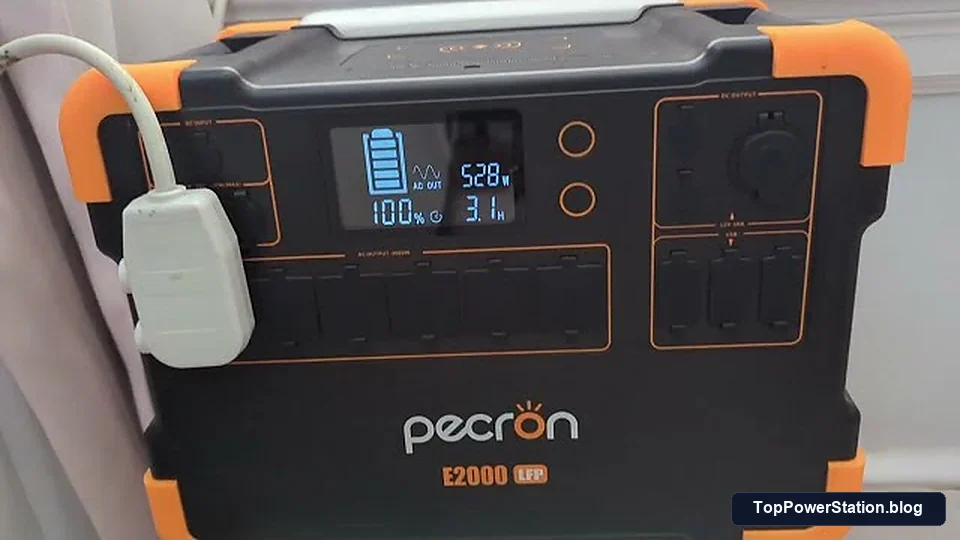
Evaluating options from the best portable power stations reveals units that handle instantaneous spikes without tripping internal circuits. Always check continuous and surge ratings printed on the inverter data plate.
Window units typically draw five hundred to fifteen hundred running watts. Larger RV or central heat pump systems require heavy-duty split-phase inverters rated beyond three thousand watts.
Always verify your specific compressor type using manufacturer nameplates. Inverter-driven variable-speed compressors draw fewer startup amps than traditional fixed-speed induction motors.
Air conditioners demand immense starting surge watts because compressor motors lock rotor amperes during initial startup. Always verify your inverter supports double the nominal rating.
Check the compressor running watts on the HVAC data plate rather than relying on estimated averages. Inverters instantly trip on overload if continuous draw exceeds thresholds.
Modern units featuring variable-speed compressors eliminate massive startup spikes by ramping frequency gradually. This significantly reduces peak inverter loads and prevents hard thermal shutdowns.
Calculate total inductive load carefully by incorporating a twenty percent safety margin above rated specifications. This accounts for ambient temperature degradation and aging internal capacitor banks.
- Locate the compressor running wattage on the appliance specification sticker.
- Multiply the nominal running watts by three to estimate the startup surge.
- Ensure the power station surge rating exceeds your calculated compressor peak demand.
- Verify that pure sine wave output matches sensitive electronic thermostat controls.
Evaluating Starting Surges vs Running Loads
Measuring exact electrical draw requires an external clamp meter clamped around the live conductor. This captures true inrush current spikes during compressor engagement.
Traditional clamp multimeters might miss ultra-fast electrical transients lasting only milliseconds. Utilize specialized meters featuring peak-hold functions to capture true maximum loads.
- Clamp the meter around the individual hot wire inside the plug adapter.
- Trigger the air conditioner compressor manually to record the peak amperage.
Battery Capacity and Watt-Hour Demands
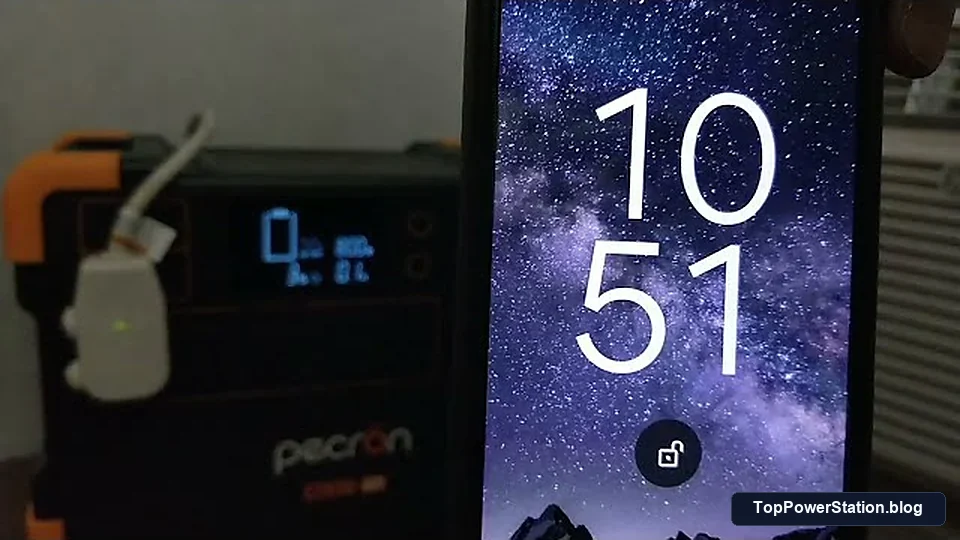
Determining operational runtime involves dividing total battery watt-hours by the continuous AC draw. Real-world conversion losses typically consume ten to fifteen percent of stored energy.
A one thousand watt-hour battery will not run a one thousand watt air conditioner for one full hour. Inverter efficiency losses reduce usable capacity significantly during continuous heavy loads.
Models featured in our home backup power station guide incorporate advanced thermal management systems. Cooling fans operate continuously during high-draw applications, adding significant parasitic electrical loads.
Plan for realistic runtime expectations by building safety margins into your energy calculations. Never drain lithium iron phosphate batteries down to absolute zero to preserve cell longevity.
Evaluating total watt-hours requires multiplying continuous operating power by expected runtime hours. A standard portable unit rated at two thousand watt-hours delivers less due to conversion losses.
Inverter conversion efficiency typically hovers around eighty-five percent, meaning fifteen percent of stored energy converts straight into waste heat. Factor this loss directly into your runtime calculations.
Air conditioners cycle on and off based on thermostat settings, creating pulsing load profiles that fluctuate power consumption. This intermittent cycling makes precise runtime prediction remarkably challenging.
Maintain backup cells above twenty percent depth to protect lithium chemistry from deep discharge damage. Running units down to absolute zero degrades overall lifespan rapidly over time.
- Divide usable battery capacity by the continuous running wattage of the AC.
- Factor in an eighty-five percent inverter efficiency multiplier for accurate math.
- Account for internal cooling fan power draws during high ambient conditions.
- Keep backup charging sources ready for extended off-grid cooling scenarios.
Calculating Runtime Expectations
Multiply nominal battery capacity by eighty-five percent to find realistic usable energy. Divide this resulting figure by the running wattage of your cooling unit.
Account for compressor cycling behavior since air conditioners cycle on and off. Cycling naturally extends total operational runtime compared to continuous maximum load testing.
- Use usable watt-hours instead of gross rated capacity for math.
- Monitor actual power station discharge rates during the first cooling cycle.
Video Walkthrough: How Long Can a Power Station Run an Air Conditioner?
Step-by-Step Setup and Initial Calibration
When choosing the best AC power stations, always position your unit on a flat, dry surface. Proper airflow prevents thermal throttling during prolonged air conditioning run cycles.
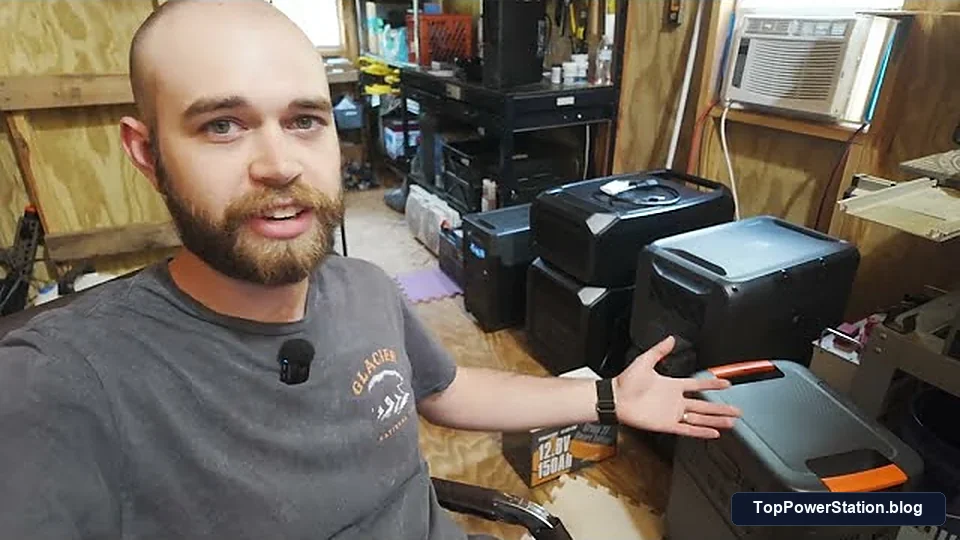
Connect the air conditioner directly to the AC output port using a heavy-duty cord. Avoid daisy-chaining power strips or using thin extension cords that cause dangerous voltage drops.
Power on the generator inverter first before activating the air conditioner control panel. This allows output stabilization protocols to engage smoothly before mechanical loads attach.
Monitor the digital display screen closely during the initial compressor engagement sequence. Watch for unexpected overload warnings or sudden voltage sags on the output meter.
Position your power station on a firm, level surface ensuring adequate ground clearance away from moisture. Proper physical placement prevents internal dust ingress and cooling fan obstructions.
Connect the air conditioner directly to a dedicated AC outlet without using extension cords. Long extension cords introduce resistance that causes voltage drop and dangerous overheating.
Perform an initial state calibration by charging the battery fully to one hundred percent, then discharging it completely under a moderate load before regular usage.
Verify that firmware updates are installed via the manufacturer smartphone application to optimize BMS algorithms. Software patches frequently improve output stability and low-load efficiency.
- Clear at least six inches of clearance around all cooling vents.
- Plug the AC unit directly into a dedicated high-capacity AC outlet.
- Turn on the inverter output before powering on the cooling appliance.
- Observe the real-time wattage output screen during initial startup.
Managing High Ambient Temperatures and Ventilation
Air conditioners operate most efficiently in shaded outdoor environments away from direct sunlight. High ambient temperatures force internal battery management systems to limit output power.
Use our runtime calculation tool while keeping your hardware out of hot vehicles or direct sunlight. Excessive heat accelerates degradation and triggers automatic thermal protection shutdowns.
Elevate the hardware slightly off the ground to improve bottom-vent intake airflow. Dust and debris kicked up by wind can clog internal filters and reduce cooling efficiency.
Monitor internal temperature readouts if your power station features a companion mobile application. Stop operation immediately if internal thermal warnings flash across the digital interface.
High ambient temperatures severely degrade battery performance, forcing internal cooling fans to run at maximum revolutions per minute. Keep equipment shaded from direct sunlight at all times.
Maintain a minimum clearance of six inches around all intake and exhaust vents to ensure unobstructed airflow. Restricted ventilation triggers thermal protection modes that cut power output.
Monitor internal temperature readouts closely if operating equipment near ninety degrees Fahrenheit. Lithium cells degrade rapidly when exposed to persistent heat during high-draw applications.
Utilize external shading structures or portable canopies to protect equipment housing from radiant solar energy. Lower ambient intake temperatures directly boost overall operational efficiency and safety margins.
- Shade the power station from direct sunlight during daytime operation.
- Elevate equipment off dusty ground surfaces to protect cooling intake fans.
- Keep operating environments below ninety-five degrees Fahrenheit when possible.
- Never block ventilation exhaust ports with camping gear or canvas covers.
Common Operational Failures and Troubleshooting
Sudden overload errors usually indicate the compressor surge exceeded inverter limits. Reset the system by turning off the appliance and restarting the main inverter module.
Low-voltage disconnects occur when high current draws deplete battery voltage rapidly. This protective feature prevents permanent damage to internal lithium chemistry cell structures.
Intermittent cooling failures often stem from loose plug connections or worn receptacles. Inspect all physical contact points for signs of thermal discoloration or pitting.
Address persistent tripping issues by utilizing soft-start kits on large RV compressors. These aftermarket electrical modules reduce startup surge currents by up to seventy percent.
Inverter overload errors occur most frequently when starting heavy inductive compressor motors. Reset the unit by disconnecting the AC load and clearing the fault code memory.
Voltage sag warnings indicate that current draw is pushing battery management systems past safe parameters. Check for loose terminal connections or degraded cabling causing excessive resistance.
Persistent tripping during compressor startup points to insufficient surge headroom. Consider installing a soft start kit on your air conditioner to reduce initial amperage requirements significantly.
If display screens freeze or fail to update, perform a hard system reset by powering down completely and leaving the main breaker disconnected for five minutes.
- Reset overloaded inverters by turning off all connected AC loads.
- Inspect plug prongs for heat marks indicating loose electrical connections.
- Install a soft-start capacitor if your compressor trips medium-size units.
- Verify firmware is updated to optimize inverter surge management profiles.
Video Walkthrough: Can a power station run an AC?
Routine Maintenance and Cell Health Preservation
Inspect power station cooling fan vents monthly for accumulated dust and pet hair. Clean intake grills gently using a soft bristle brush or low-pressure dry air.
Store your power station at fifty percent charge in a climate-controlled room. Long-term storage in extreme temperatures permanently diminishes maximum lithium battery cycle life.
Perform periodic calibration cycles by discharging the battery down to twenty percent. Recharge the unit fully to recalibrate the digital state-of-charge percentage readout accurately.
Check firmware update availability through manufacturer channels to maintain peak performance. Updated software packages often improve inverter waveform stability and thermal control logic.
Inspect cooling intake screens monthly for dust and pet hair accumulation. Clean filters gently using a dry microfiber cloth to prevent airflow restrictions that cause overheating.
Store power stations at a fifty percent state of charge in climate-controlled environments when not deployed for extended periods. This practice minimizes internal chemical degradation rates.
Perform full discharge and charge cycles every six months to maintain accurate state meters. Uncalibrated battery monitors can miscalculate remaining runtime during critical high-load applications.
Inspect all exterior port fittings and AC receptacles for signs of carbon scorching or physical melting caused by high electrical resistance during continuous heavy use.
- Clean dust from cooling intake and exhaust vents on a monthly schedule.
- Store equipment at fifty percent charge during prolonged non-use periods.
- Recalibrate battery percentage meters twice per year for accuracy.
- Inspect input and output ports for physical wear or oxidation buildup.
Safety Protocols for High-Draw Appliances
Never operate heavy inductive loads like air conditioners in wet weather environments. Moisture ingress creates severe electrical shock hazards and permanent inverter circuit damage.
Ensure your power station connects to a properly grounded electrical earth point. Grounding prevents chassis voltage accumulation during high-amp transient fault conditions.
Keep fire suppression equipment suitable for electrical fires nearby during testing. Lithium battery failures require specialized class D extinguishers or heavy smothering blankets.
Disconnect all high-draw appliances immediately when performing maintenance or cleaning filters. Adhering to these strict safety protocols protects both hardware investments and personal well-being.
Always confirm that your power station features a pure sine wave inverter before connecting sensitive compressor motors. Modified sine wave outputs cause motor overheating and premature component failure.
Never operate heavy appliances in damp or wet environments without an inline ground fault circuit interrupter protection device. Water ingress poses severe electrocution risks with high-wattage equipment.
Ensure the grounding terminal on the generator chassis is linked to an earth ground stake when running stationary high-draw setups in remote outdoor field locations.
Keep a certified Class C fire extinguisher nearby whenever powering high-draw electrical loads. Immediate suppression capability is essential if internal battery management systems experience catastrophic failure.
- Keep electrical equipment away from rain, standing water, and high humidity.
- Verify earth grounding integrity when running high-draw appliances off-grid.
- Disconnect cooling units before servicing filters or checking internal wiring.
- Keep appropriate fire suppression tools accessible during heavy load testing.
Frequently Asked Questions
Can a standard 500Wh power station run a small AC?
No, a five hundred watt-hour station lacks the surge capacity and runtime for compressors. Most units will instantly overload during the initial motor start.
Why does my power station shut down when the AC kicks on?
The compressor startup surge exceeds your inverter maximum peak rating limit. Installing a soft-start kit can help mitigate this initial high amperage demand.
How long will a 2000Wh power station run an air conditioner?
Expect roughly one to two hours of continuous runtime depending on compressor size. Cycling operation and ambient temperatures will alter these estimates significantly.
Is pure sine wave output necessary for running an air conditioner?
Yes, pure sine wave power protects sensitive digital thermostats and motor windings. Modified sine wave power causes excessive heat buildup and premature motor failure.
Can I charge my power station with solar while running the AC?
Yes, simultaneous solar input is possible if total generation matches consumption rates. Ensure your solar array wattage stays well within maximum controller input limits.