How to Calculate Surge Wattage for Power Station Appliances
Understanding peak electrical draws prevents inverter shutdowns. Master these precise load calculation formulas for safe backup deployments.

Always multiply your motor-driven compressor running watts by three times to estimate startup surges. Check your generator inverter peak specs before connecting inductive loads.
Ready to compare models? Start with our Best Portable Power Station: Top Backup & Off-Grid Picks.
Practical Quick-Reference Table
| Scenario / Metric | Recommended Target | Why It Matters |
|---|---|---|
| Refrigerator Compressor | 3x Running Watts | Accounts for heavy mechanical motor startup friction. |
| Sump Pump Motor | 3.5x Running Watts | Prevents immediate low-voltage inverter cutoff trips. |
| Resistive Space Heater | 1x Running Watts | Pure resistive loads have zero startup surge. |
| Power Tool Drill | 2x Running Watts | Variable speed triggers moderate momentary inrush. |
| Inverter Peak Rating | Double Continuous Output | Guarantees safe headroom for microsecond spikes. |
| Ambient Operating Temp | 20 to 30 Celsius | Protects internal lithium cells from thermal throttling. |
Demystifying Electrical Surge Fundamentals for Portable Inverters
Portable power stations rely on internal lithium chemistry and sensitive microcontrollers to deliver stable alternating current. When heavy motorized devices activate, they demand a massive temporary spike in electrical current.
Engineers define this phenomenon as starting or surge wattage. Ignoring this critical electrical threshold will instantly trip your inverter into an emergency protective shutdown mode.
Every electric motor requires extra torque to transition into continuous rotation. Factoring this mechanical inertia helps you select the best portable power station for home backup during sudden power failures.
Mastering this technical calculation ensures your chosen generator handles demanding workshop tools or emergency medical refrigerators without failing. Precision sizing protects your valuable hardware investments.
- Inductive loads demand high initial startup current.
- Inverters feature specific surge duration ratings.
- Running wattage differs significantly from peak power.
- Thermal limits dictate safe overload duration periods.
The Physics of Electrical Inrush
Inrush current occurs during the initial half-cycle of alternating current activation. During this microsecond window, transformer cores and motor windings saturate completely.
Modern power stations incorporate high-frequency switching transistors to manage these rapid electrical transients. Understanding this hardware response prevents catastrophic circuit board damage.
- Inrush lasts mere milliseconds.
- Capacitors absorb initial voltage spikes.
Identifying Inductive Appliances and Motor Loads

Distinguishing between resistive and inductive appliances forms the bedrock of accurate power station sizing. You can estimate total energy consumption using our interactive runtime wh calculator before deployment.
Inductive appliances utilize electromagnetic coils and electric motors to generate mechanical motion. These complex moving assemblies create significant magnetic fields that require extra power at startup.
Common household items like coffee makers and incandescent lights exhibit minimal surge requirements. Conversely, air conditioners, well pumps, and power saws demand careful mathematical evaluation.
Inspecting appliance nameplates reveals essential voltage, amperage, and frequency data required for precise calculations. Always verify these manufacturer specifications before field deployment.
- Resistive loads lack moving mechanical parts.
- Inductive devices use copper wire windings.
- Compressors represent the highest surge demand.
- Nameplate labels display true running amperages.
Reading Appliance Electrical Labels
Manufacturer identification plates list nominal operating voltage and full-load amperage ratings. Multiplying these two values together yields your baseline running wattage.
Some heavy-duty equipment explicitly lists locked rotor amperage values for engineering reference. This metric helps calculate absolute worst-case scenario power demands.
- Locate the silver or black data placard.
- Convert listed amps to watts via multiplication.
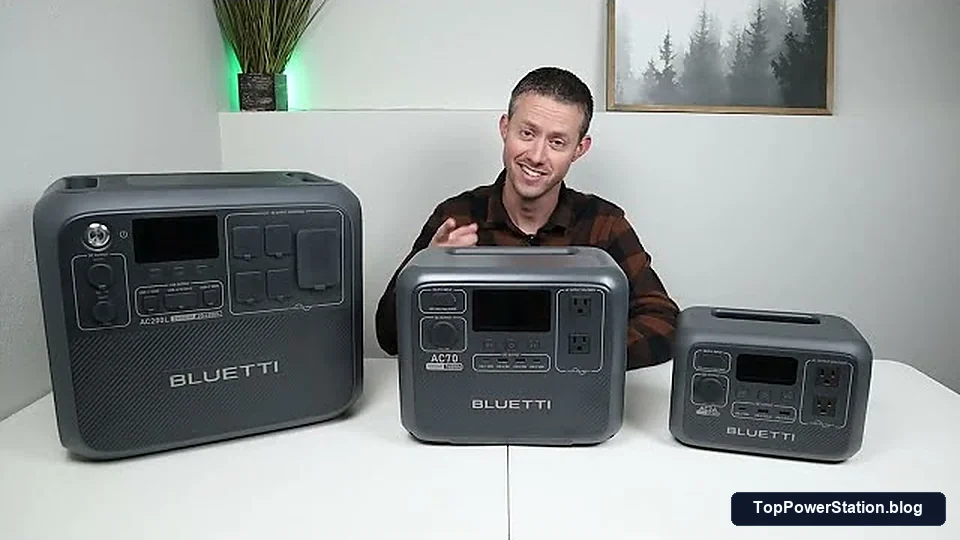
Video Walkthrough: Easily Calculate Power Station Run-times! - Bluetti AC2A, AC70, AC200L Compared!
Mathematical Formulas for Calculating Peak Startup Demand
Accurate load calculation requires applying specific multiplier coefficients based on appliance motor architecture. Standard split-phase refrigerator compressors typically demand a surge factor of three.
Heavy workshop equipment featuring universal motors may require scaling running wattage by two or two point five. Multiply your baseline running watts by this specific engineering coefficient.
Sum all simultaneously running devices to establish your aggregate continuous wattage load baseline. Next, identify the single highest surge wattage requirement among those active appliances.
Add that maximum single surge value to the remaining continuous load sum to find total peak demand. Never exceed your power station maximum rated surge ceiling.
- Multiply running watts by standard motor coefficients.
- Identify the single highest individual surge draw.
- Combine continuous baseline with peak spike requirement.
- Verify total against inverter manufacturer limits.
Applying Power Factor Adjustments
Real-world inductive loads rarely operate at an ideal power factor of one. Factoring in efficiency losses prevents unexpected low-voltage cutoff events during heavy cycling.
Multiply your calculated power requirements by an efficiency safety margin of twenty percent. This buffer accounts for aging inverter components and temperature degradation.
- Factor in internal inverter conversion efficiency.
- Add twenty percent safety margin for safety.
Interpreting Portable Generator Continuous and Surge Ratings
Portable power station data sheets distinguish clearly between continuous output and surge capacity ratings. Understanding these limits is vital when choosing the best portable power station for camping and remote excursions.
Surge capacity indicates the maximum electrical load the inverter can sustain for brief intervals. These burst windows typically last between two and five seconds maximum.
Exceeding the specified surge duration triggers rapid hardware protection protocols to prevent thermal runaway. Internal metal-oxide semiconductor field-effect transistors shut down automatically.
Reviewing product manuals clarifies whether surge ratings apply to pure sine wave AC outlets or DC ports. Proper interpretation guarantees reliable backup performance.
- Continuous ratings dictate standard daily operation.
- Surge ratings apply to short burst windows.
- Overload protection prevents permanent hardware damage.
- Pure sine wave output protects sensitive electronics.
Evaluating Waveform Stability Under Load
Sudden electrical surges cause momentary voltage sags across internal inverter rails. High-quality power stations regulate these drops swiftly to maintain clean sine waves.
Distorted waveforms can overheat sensitive compressor motors over extended emergency operating sessions. Monitoring total harmonic distortion ensures optimal appliance longevity.
- Voltage sags occur during heavy motor starts.
- Low harmonic distortion protects motor windings.
Step-by-Step Load Testing and Calibration Workflows
Conducting practical load tests validates your mathematical calculations before emergency situations occur. Connect a dedicated power meter between your appliance and the power station AC outlet.
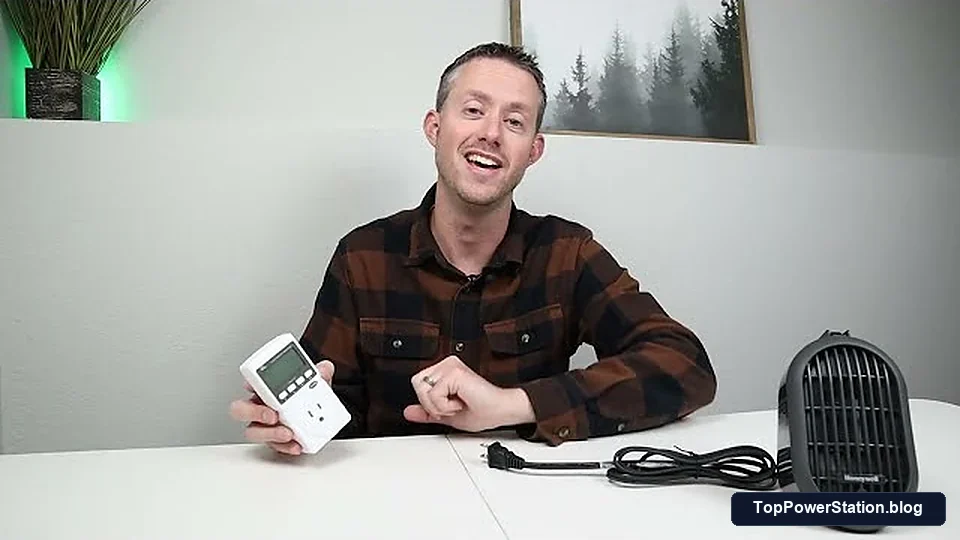
Observe the real-time digital display during the exact moment your inductive motor engages. Record the peak wattage spike displayed on the monitoring device screen accurately.
Compare your empirical field measurements against your initial theoretical mathematical calculations. Adjust your safety margins upward if observed surges exceed standard textbook multipliers.
Document your findings in a dedicated maintenance log for future system deployment reference. Systematic testing builds absolute operational confidence in emergency preparedness.
- Use dedicated inline digital power meters.
- Record peak wattage values during motor startup.
- Compare real-world data with theoretical formulas.
- Maintain detailed logs of all connected devices.
Staggering Appliance Startup Sequences
Never allow multiple inductive appliances to start simultaneously on a single power station inverter. Stagger your motor activations by at least ten seconds apart.
This deliberate sequencing allows the internal inverter circuitry to recover voltage stability fully. Controlled loading eliminates unnecessary protective shutdown events.
- Stagger motor start times by ten seconds.
- Allow inverter voltage recovery between cycles.
Preventing Overload Faults and Inverter Protection Trips
Inverter overload faults occur when connected electrical demand exceeds hardware design limits. Modern power stations respond by cutting AC output immediately to protect internal components.
Recognizing error codes displayed on your power station LCD screen accelerates troubleshooting speed. Common fault codes indicate short circuits, thermal warnings, or power overloads.
Disconnect offending high-surge appliances immediately upon experiencing repeated inverter shutdown trips. Reset the master circuit breaker or power switch according to manual instructions.
Evaluate your connected device inventory to eliminate redundant high-draw inductive equipment. Simplifying your emergency load profile guarantees uninterrupted electrical service.
- Overload faults trigger immediate output cuts.
- LCD screens display specific diagnostic error codes.
- Reset breakers following manufacturer safety guidelines.
- Streamline connected appliance loads during outages.
Managing Thermal Stress in Inverter Circuits
Heavy electrical surges generate significant thermal energy within internal inverter heat sinks. Ensure adequate airflow clearance around cooling fans during high-draw operations.
Blocked ventilation ports restrict heat dissipation and lower your power station surge threshold. Maintain clearance zones to ensure optimal thermal performance.
- Keep cooling fan vents completely unobstructed.
- Operate units in shaded, well-ventilated areas.
Practical Field Maintenance and Safety Protocols
Maintaining clean electrical contact points reduces resistance and prevents unnecessary voltage drops under surge conditions. Inspect extension cords and power station outlets for corrosion regularly.
Ensure extension cords used with high-draw appliances feature heavy-gauge copper wiring. Undersized cords restrict current flow and cause severe voltage starvation during motor startup.
Store your portable power station in climate-controlled environments away from excessive humidity and dust. Optimal maintenance preserves component integrity for the best portable power station for a refrigerator setup.
Adhering to strict electrical safety protocols prevents personal injury and equipment failure. Prioritize systematic calculations and proper hardware handling during every deployment.
- Inspect electrical plugs and outlets for wear.
- Use heavy-gauge copper extension cords exclusively.
- Store units in dry, temperature-controlled spaces.
- Follow standard electrical safety guidelines strictly.
Firmware Updates and Diagnostic Diagnostics
Many modern power stations feature internal management software that regulates surge response thresholds. Check manufacturer portals periodically for firmware optimization releases.
Updated software algorithms improve surge handling efficiency and enhance overall hardware protection accuracy. Keep your system management software current for best results.
- Check manufacturer portals for firmware updates.
- Optimized software improves surge response curves.
Frequently Asked Questions
What is the difference between running watts and surge watts?
Running watts represent the continuous power required to keep an appliance operating steadily. Surge watts define the massive temporary electrical spike needed to start motors from a dead stop.
How many times higher is a refrigerator surge compared to running watts?
Standard refrigerator compressors typically demand a surge multiplier of three times their running wattage. Always use this exact coefficient to size your backup inverter safely.
Can resistive heaters cause high electrical surge spikes?
Resistive heating elements feature an electrical power factor of one and create zero startup surge demands. Their running wattage equals their exact peak startup power requirement.
What happens if an appliance exceeds my power station surge rating?
Exceeding the maximum inverter surge rating will instantly trip internal protection circuits. The power station will cut AC output immediately to prevent catastrophic hardware damage.
How can I test the actual surge wattage of my tools?
Connect a dedicated inline digital power meter between your tool and the outlet. Record the real-time peak display during the exact moment the motor engages.