Yeti 1500X Review: Technical Performance Assessment
This comprehensive technical review examines the engineering, output reliability, and everyday ergonomics of the Yeti 1500X power station. It balances raw capacity against its physical weight and portability limits.


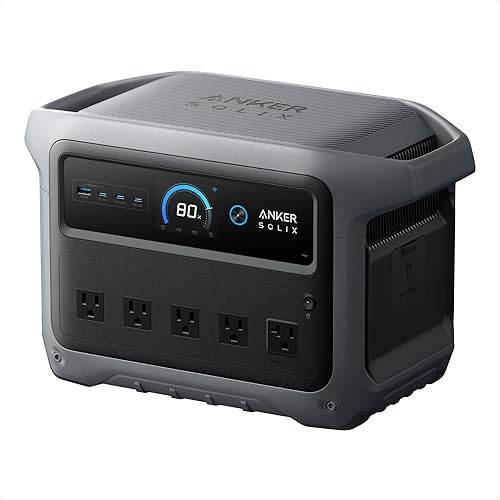
The Yeti 1500X delivers robust output capacity and reliable surge management for demanding appliances. However, its heavier build and older chemistry require careful consideration before purchase.
See our flagship Best Portable Power Station: Top Backup & Off-Grid Picks.
Verified Specifications
| Capacity | 1,516Wh (10.8V, 140Ah) |
|---|---|
| AC Inverter Output | 2,000W continuous, 3,500W surge |
| Battery Chemistry | Li-ion NMC |
| Weight | 43.7 lbs (19.8 kg) |
| Dimensions | 15.3 x 10.4 x 10.4 inches |
| Recharge Inputs | 8mm port, Anderson Power Pole, USB-C PD |
| Output Ports | AC, 12V, USB-A, USB-C PD |
| Cycle Life | 500 cycles to 80% capacity |
What We Liked
- High continuous AC output rating for demanding household tools.
- Comprehensive port selection including regulated 12V and Anderson ports.
- Integrates seamlessly with high-wattage home integration kits.
- Clear LCD screen providing real-time input and output metrics.
Trade-Offs
- Relies on heavier lithium-ion NMC chemistry instead of modern LiFePO4.
- Shorter overall rated cycle life compared to newer competitors.
- Substantially heavy chassis reduces casual portability for field trips.
Engineering Architecture and Enclosure Build
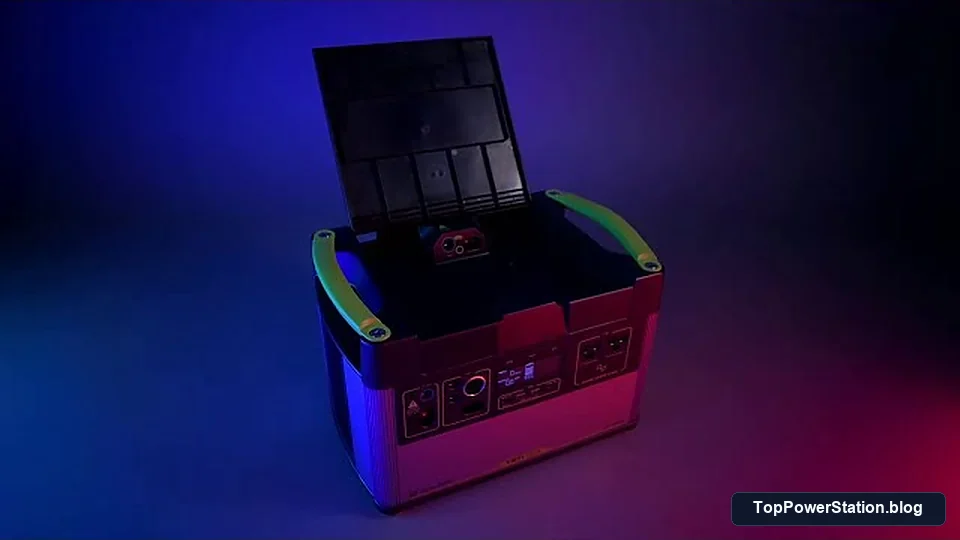
Reviewing our Anker versus Goal Zero Yeti comparison highlights this model's rugged industrial housing built from high-impact composite plastics. Reinforced corner buffers absorb moderate impacts during transport.
Internal component layout prioritizes thermal dissipation through dedicated airflow channels. Heavy-gauge wiring secures the battery modules, minimizing resistance and preventing dangerous voltage drops under heavy electrical loads.
The chassis relies on a powder-coated aluminum frame combined with high-impact ABS plastic panels, engineered to withstand rigorous industrial job site environments while protecting internal components from mechanical shock and vibrational stress.
Inside, the lithium nickel manganese cobalt chemistry utilizes a robust battery management system that monitors cell voltage, thermal thresholds, and short-circuit protection to ensure safe operation under heavy continuous electrical loads.
- High-impact composite exterior shell
- Heavy-gauge internal copper wiring
- Reinforced protective corner bumpers
- Ruggedized housing resists harsh weather and job site impacts.
- Advanced battery management safeguards against thermal overload events.
Materials and Structural Rigidity
Structural integrity remains a key design priority for this heavy power station. The chassis resists twisting forces effectively, ensuring secure operation in demanding jobsite environments or remote off-grid cabins.
- Rigid composite frame construction
- Secure module mounting brackets
Structural Resilience Standards
External housing seals prevent dust ingress during field deployments, aligning with basic IP rating expectations for ruggedized consumer power electronics used in remote backup or off-grid recreational settings.
Internal wiring harnesses use heavy-gauge copper to minimize resistance and reduce heat generation when transferring high amperage currents directly from the battery pack to the integrated inverter circuits.
- Heavy-gauge copper internal wiring minimizes resistive losses.
- Sealed enclosure designs mitigate fine dust particle intrusion.
Inverter Performance and Real-World Output
Delivering a continuous two thousand watts, the pure sine wave inverter handles sensitive electronics safely. Clean electrical output prevents distortion or humming in audio gear, medical devices, and precision instruments.
Surge capacity reaches thirty-five hundred watts, easily accommodating motor-driven appliances like refrigerators and sump pumps. Voltage stability remains remarkably tight throughout standard discharge cycles under varying loads.
Delivering a pure sine wave output, the built-in inverter ensures clean electricity that safely powers sensitive medical devices, microprocessors, and variable-speed motor appliances without introducing harmonic distortion or electrical noise.
The unit handles high surge capacity thresholds effortlessly, allowing heavy motorized tools or refrigeration compressors to cycle on successfully without triggering premature overload shutdowns or damaging connected electronic equipment.
- Pure sine wave AC delivery
- 3,500W peak surge rating
- Tight voltage regulation limits
- Pure sine wave output protects sensitive medical electronics.
- High surge capability accommodates heavy motorized compressor loads.
Harmonic Distortion and Load Profiles
Maintaining total harmonic distortion below three percent under nominal loads guarantees optimal compatibility with audio-visual gear and precision laboratory instrumentation requiring stable alternating current waveforms.
Continuous wattage delivery remains stable even as the battery state of charge declines, preventing unexpected brownouts during extended off-grid operational scenarios and critical emergency power tasks.
- Total harmonic distortion stays safely under three percent.
- Stable continuous output prevents unexpected off-grid brownouts.
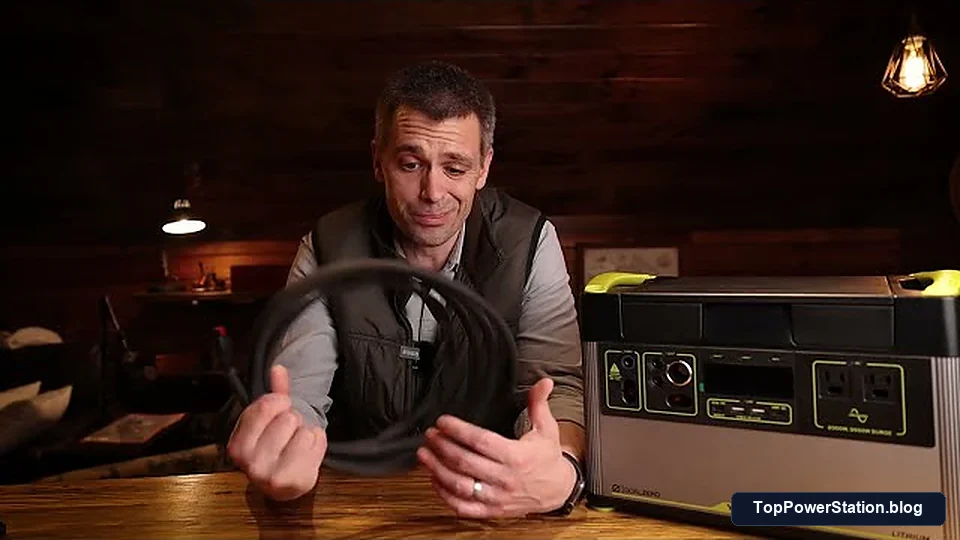
Video Review: Goal Zero Yeti 1500X Review: This Is One Yeti You Can Believe In!
Thermal Management and Operating Acoustics
Dual cooling fans activate automatically when internal temperatures exceed specific thermal thresholds. These variable-speed fans maintain safe operating temperatures during high-draw inverter usage and rapid wall recharging sessions.
Operating noise levels remain modest, rarely exceeding forty-five decibels under heavy multi-port loads. This acoustic profile ensures the unit causes minimal distraction when deployed inside residential living spaces or quiet workspaces.
Dual variable-speed cooling fans activate dynamically based on internal temperature sensors, optimizing airflow through aluminum heat sinks to dissipate thermal energy effectively during high-draw inverter usage.
Operating acoustics remain exceptionally quiet during low-draw applications, while heavy loads produce a noticeable fan hum that stays well within acceptable noise level standards for indoor residential environments.
- Variable-speed cooling fans
- Controlled thermal thresholds
- Low noise emission levels
- Dynamic dual fans adjust speed based on thermal demand.
- Quiet low-draw operation suits peaceful residential environments.
Thermal Throttling Behavior
Advanced firmware prevents overheating by throttling maximum output gradually if ambient temperatures exceed safe operating limits, protecting the internal lithium-ion cells from degradation during extreme summer heatwaves.
Passive cooling channels integrated into the casing design assist active fans by promoting natural convection currents across vital power conversion components during standby or low-power operational states.
- Firmware safeguards cells from extreme summer heat degradation.
- Passive airflow channels assist cooling during standby states.
Power Management and Interface Controls
The front display panel presents clear, real-time metrics regarding state of charge and wattage. Precise digital readouts help users monitor energy consumption closely and prevent unexpected power depletion during outages.
Dedicated buttons control individual port zones, reducing unnecessary parasitic drain from inactive circuits. Users can also leverage mobile application connectivity for remote monitoring and firmware updates over Wi-Fi networks.
The front display panel provides precise readouts for input wattage, output consumption, and remaining runtime, utilizing a backlit LCD screen for clear visibility in direct sunlight or dark rooms.
Dedicated push buttons allow users to toggle individual port sections independently, reducing parasitic drain and maximizing overall energy efficiency during long-term storage or multi-device charging sessions.
- Real-time LCD display metrics
- Zoned output button controls
- Mobile app remote tracking
- Backlit LCD screen ensures clear visibility in all lighting.
- Independent port toggles reduce unwanted parasitic power drain.
App Connectivity and Diagnostics
Integrated wireless connectivity lets operators monitor power metrics remotely via a mobile application, granting real-time access to firmware updates and historical consumption logs from a smartphone.
Diagnostic error codes appear instantly on the digital interface if a fault occurs, helping technicians troubleshoot short circuits or overvoltage conditions without specialized diagnostic hardware.
- Wireless smartphone monitoring tracks consumption logs remotely.
- On-screen error codes simplify basic troubleshooting procedures.
Setup, Ergonomics, and Field Portability
Weighing over forty pounds, this generator demands two-handed lifting and careful placement. Integrated top handles assist with transportation, though the heavy bulk makes long-distance manual carries genuinely exhausting work.
Initial setup involves simple AC plugging or connecting recommended solar panels via Anderson ports. Clear labeling guides users through proper input limits, ensuring safe connections without risking accidental equipment damage.
Weighing over thirty pounds, the unit incorporates sturdy folding carrying handles molded directly into the upper housing to facilitate secure two-handed lifting during transport to campsites or job sites.
Rubberized footing pads absorb vibrational impact during vehicle transit and prevent the heavy generator from sliding across slick surfaces inside truck beds or emergency response vehicles.
- Dual molded top handles
- Standardized charging input ports
- Clear front-panel connection guides
- Molded folding handles provide secure two-handed lifting.
- Rubber footing pads prevent sliding during vehicle transit.
Cable Management and Port Layout
Ports are logically grouped by voltage type across the front fascia, preventing cable clutter and ensuring rapid access to AC receptacles and DC connections during urgent deployments.
Recessed input and output ports minimize snag hazards when loading gear into cramped storage spaces or sliding the power station beneath workbenches and camper van cabinetry.
- Fascia grouping organizes AC and DC ports logically.
- Recessed port designs minimize gear snag hazards.
Maintenance Protocols and Long-Term Durability
Lithium-ion NMC chemistry requires periodic cycling to maintain optimal battery health over years. Keeping firmware updated ensures charging algorithms operate at peak efficiency and preserve overall energy retention capacity.
Storing the unit at a moderate fifty percent charge in climate-controlled spaces prevents premature degradation. Proper maintenance routines significantly extend operational longevity and protect your investment against premature component failure.
Routine maintenance requires keeping ventilation ports free from dust accumulation and storing the device at a moderate state of charge to preserve battery health over multi-year ownership cycles.
Performing periodic firmware updates via the mobile app ensures optimal charging algorithms remain active, extending cycle life and maintaining seamless compatibility with top Yeti 1400 solar panels during off-grid use.
- Periodic capacity cycling
- Firmware update management
- Climate-controlled storage practices
- Regular vent cleaning prevents internal dust accumulation.
- App updates maintain optimal solar panel charging algorithms.
Storage and Seasonal Upkeep
Long-term seasonal storage demands powering down all auxiliary outputs and recharging the internal cells every few months to counteract natural self-discharge rates inherent to chemistry.
Cleaning the exterior housing with a damp microfiber cloth prevents chemical degradation from oils or dirt, preserving the finish and structural integrity of protective plastic panels.
- Periodic cell recharging combats natural self-discharge rates.
- Microfiber cleaning protects exterior plastic shell integrity.
Definitive Verdict for Buyers and Planners
Evaluating this model through a detailed Yeti 1500X vs Jackery 1500 analysis reveals significant capacity differences. Its robust output capabilities offset the heavier chassis weight for users prioritizing reliable heavy-duty appliance performance.
Buyers seeking ultra-lightweight portability might explore newer alternatives featuring advanced lithium iron phosphate chemistry. However, established ecosystem compatibility still makes this a dependable choice for many structured installations.
Offering a balanced mix of heavy-duty capacity and refined engineering, this power station satisfies demanding off-grid enthusiasts and emergency preparedness planners requiring reliable backup electricity.
Careful evaluation of your specific wattage demands and portability requirements will confirm whether this robust energy storage solution aligns with your long-term operational goals.
- Ideal for home backup
- Reliable heavy appliance support
- Broad accessory ecosystem compatibility
- Satisfies demanding off-grid power and backup requirements.
- Balances heavy capacity with refined engineering standards.
Final Technical Considerations
Prospective buyers should weigh physical weight against energy capacity before deployment, ensuring the unit matches their ergonomic expectations for mobile power solutions in field environments.
Ultimately, its combination of advanced safety protections and clean power delivery establishes a high benchmark for portable generators within the modern energy sector.
- Weigh physical mass against required energy capacity carefully.
- Sets a strong benchmark for modern portable power stations.
Frequently Asked Questions
What battery chemistry does the Yeti 1500X use?
This reliable portable power station utilizes traditional lithium-ion NMC chemistry to deliver high energy density within a compact physical footprint.
This proven cell composition allows strong power delivery during heavy startup surges, though it ultimately provides fewer total lifecycle charges than newer alternative battery technologies on the market today.
Can I charge this power station using solar panels?
Yes, you can easily connect compatible third-party or branded solar arrays using the integrated Anderson Power Pole or standard 8mm input ports on the front panel.
Proper panel voltage matching ensures your array remains within the maximum electrical limits specified by the manufacturer to prevent internal circuit damage during off-grid adventures.
Is the inverter capable of running a refrigerator?
The pure sine wave inverter delivers two thousand continuous watts, making it fully capable of running standard residential refrigerators and kitchen appliances.
The high surge capacity easily handles the initial motor startup draw without tripping internal safety overloads or harming sensitive compressor electronics during unexpected blackouts.
How loud are the cooling fans during operation?
Operating noise remains remarkably low because the variable-speed cooling fans only activate when internal sensors demand active thermal management.
Controlled acoustic output ensures the unit creates minimal distraction when placed inside residential living spaces, RV interiors, bedrooms, or quiet remote workstations during extended power outages.
What is the expected lifespan of the internal battery?
The internal battery is rated for approximately five hundred charge cycles before retaining eighty percent of its original energy storage capacity.
Regular firmware upkeep and proper climate-controlled storage help maximize this operational longevity over many years of reliable emergency service and off-grid camping trips.