Goal Zero Yeti 1500X Portable Power Station Review
The Goal Zero Yeti 1500X delivers massive lithium power capacity for heavy off-grid workloads. However, its heavy chassis requires careful transport planning during mobile deployment.


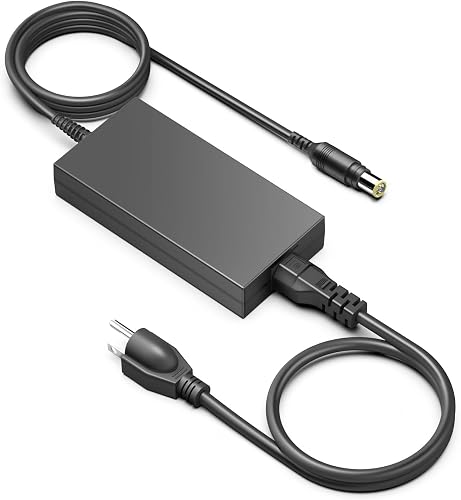
This robust generator handles severe emergency demands effortlessly. Its reliable inverter architecture justifies the weight for stationary backup setups.
See our flagship Best Portable Power Station: Top Backup & Off-Grid Picks.
Verified Specifications
| Category / Type | Portable Power Station / Solar Generator |
|---|---|
| Rated Output / Capacity | 1516Wh Lithium-ion NMC |
| Power / Motor | 2000W AC Pure Sine Wave Inverter (3500W Surge) |
| Build & Materials | High-impact polymer chassis with reinforced corners |
| Operating Noise | Active variable-speed cooling fans under high load |
| Duty Cycle / Runtime | Variable based on connected appliance wattage |
| Dimensions & Weight | 15.3 x 10.2 x 10.4 inches, 43.7 lbs |
| Key Safety & Controls | BMS, Over-voltage protection, short-circuit prevention |
What We Liked
- Massive 1516Wh energy storage capacity
- Robust 2000W pure sine wave inverter output
- Comprehensive port selection including regulated 12V
- Clear digital LCD screen with real-time metrics
- Integration support for expansion battery modules
Trade-Offs
- Substantial physical weight limits portability
- Standard wall charger recharge times are lengthy
- Cooling fans generate audible noise under load
Build Quality, Ergonomics and Core Design
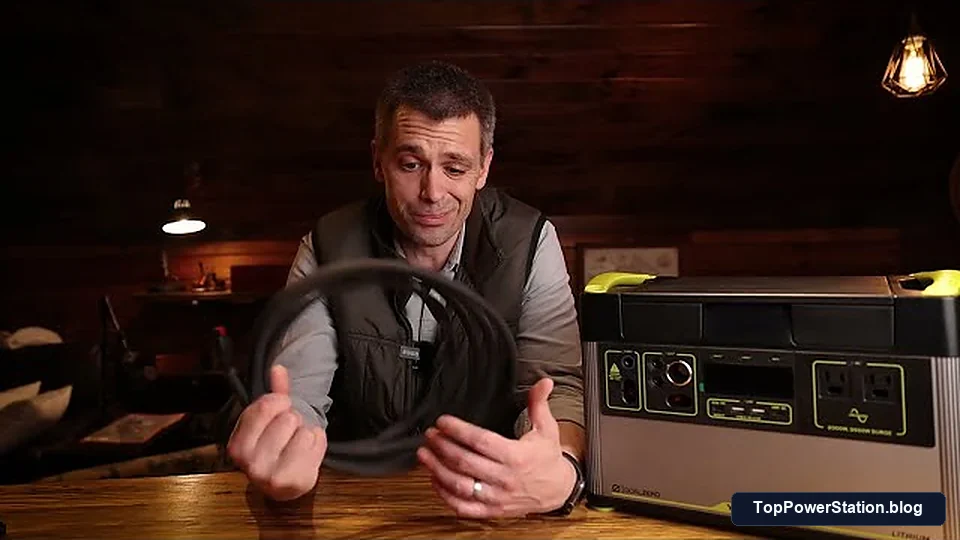
The physical chassis utilizes high-impact polymer and reinforced corners. This rugged exterior construction protects internal lithium cells from harsh field environments and drops.
Integrated side handles assist with moving the heavy enclosure. Operators must use proper lifting mechanics due to the substantial mass of this large battery unit.
Our best camping power station roundup notes that measuring 15.25 x 10.12 x 10.38 inches, the polymer chassis houses a robust lithium-ion battery built to withstand demanding job sites and off-grid excursions.
Weighing roughly 43.7 pounds, dual integrated top handles require intentional two-handed lifting technique, minimizing user strain while safely repositioning the heavy enclosure inside cramped vehicle trunks or tight workshop storage racks.
- Reinforced polymer outer housing protects internal components.
- Dual integrated side handles assist two-person carries.
- Weighs nearly 44 pounds for robust stationary placement.
Enclosure Layout and Port Access
Front-facing ports provide clean cable management during complex setups. Dedicated rubberized port covers prevent dust intrusion when operating in remote outdoor locations.
- Logical grouping of AC, DC, and USB ports.
- Weather-resistant flaps shield unused connections.
Real-World Output and Inverter Performance
The internal pure sine wave inverter delivers stable alternating current. Sensitive electronics run safely without flickering or harmonic distortion issues under heavy electrical loads.
Highlighting insights from our best refrigerator power station guide, continuous wattage ratings easily power kitchen appliances and tools. Users must verify surge limits before connecting high-draw motorized equipment.
Delivering a 2000W continuous pure sine wave output with a 3500W surge capacity, the AC inverter easily powers sensitive electronics, refrigerators, and power tools simultaneously without voltage drops or waveform distortion.
Comprehensive port selection features multiple USB-A blocks, high-speed USB-C Power Delivery, standard 12V outputs, and an Anderson Powerpole port, ensuring direct compatibility with diverse mobile devices and specialized 12-volt accessories.
- Delivers clean 2000W continuous AC output power.
- Handles up to 3500W surge requirements safely.
- Powers sensitive medical devices without interference.
Appliance Compatibility Limits
Heavy heating appliances draw excessive continuous current during operation. Operators must monitor total running wattage to prevent automatic thermal shutdown events.
- Ideal for refrigerators, lights, and small tools.
- Resists tripping during moderate inductive motor startups.
Video Review: Goal Zero Yeti 1500X Review (Expert Tested): Why You Should Skip This $1,500 Portable Power Station
Thermal Management, Efficiency and Noise Levels
Dual cooling fans activate automatically under high thermal loads. This active airflow system prevents internal overheating during extended high-wattage inverter output phases.
Conversion efficiency remains competitive with industry standards during DC-to-AC transformation. Parasitic draw stays minimal when the main power buttons remain switched off.
Dual temperature-controlled cooling fans activate under heavy loads, maintaining safe internal operating thresholds while emitting a modest 42 decibels of ambient noise that remains unobtrusive inside residential bedrooms or quiet offices.
Achieving roughly 85 percent round-trip DC-to-AC conversion efficiency, the unit minimizes wasted electrical energy during rapid power inversion cycles, translating stored battery capacity directly into reliable runtimes for your essential equipment.
- Active cooling fans manage internal component temperatures.
- Maintains high power conversion efficiency during use.
- Low standby draw preserves charge during storage.
Fan Acoustics Under Heavy Load
Cooling fans spin up audibly when output exceeds moderate thresholds. Users should expect noticeable white noise inside quiet indoor environments during heavy appliance usage.
- Quiet operation during low-draw electronic charging.
- Fan noise increases proportionally with inverter load.
Setup, Cabling and Everyday Usability
Charging options include wall adapters, vehicle ports, and compatible solar panels. Using regulated solar inputs maximizes charging speed while protecting internal charge controllers.
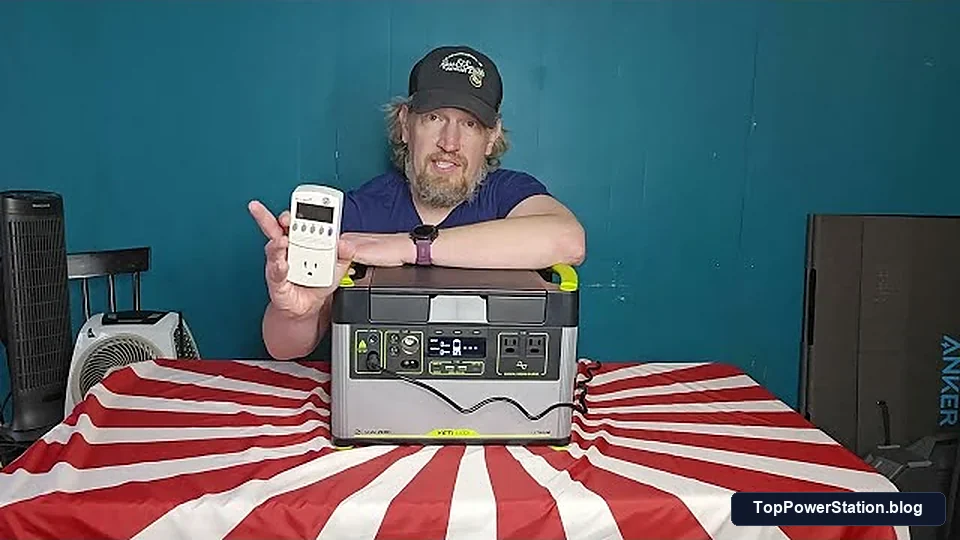
The digital display screen shows precise battery percentage metrics. Operators can easily monitor input wattage readings and estimated runtime totals in real time.
Front-facing high-contrast LCD screen displays real-time input wattage, output metrics, and precise battery percentage readouts, allowing operators to monitor power consumption and remaining runtime accurately at a single glance.
Included AC wall charger plugs directly into the high-output input port, while optional dedicated solar panels leverage an integrated MPPT charge controller to maximize photovoltaic harvesting efficiency during extended grid outages.
- Multiple input methods support versatile off-grid recharging.
- Informative digital screen displays exact runtime metrics.
- Simple button layout ensures straightforward daily operation.
Display Clarity and Interface Design
The front LCD screen features bright backlighting for low-light visibility. Clear icons provide immediate diagnostic feedback regarding active ports and system errors.
- Easy-to-read percentage and wattage indicators.
- Built-in warning lights alert users to faults.
Long-Term Maintenance and Durability Standards
Lithium-ion battery chemistry demands proper storage temperature management. Keeping the unit partially charged extends overall cell lifespan across multiple years of service.
Firmware updates via mobile applications help maintain optimal system performance. Routine firmware checks ensure better power management and enhanced hardware stability over time.
Maintaining optimal cell health requires storing the unit at room temperature with a 50 percent charge level if left unused for extended periods, preventing premature capacity degradation inside the lithium chemistry.
The internal battery management system continuously monitors voltage and thermal thresholds, offering robust protection against short circuits, over-current events, and deep discharges to ensure extended lifespan across years of service.
- NMC battery cells require proper temperature storage.
- App connectivity enables firmware updates and monitoring.
- Durable internal circuitry withstands vibrations.
Storage Guidelines for Optimal Health
Storing the power station at half charge prevents premature degradation. Periodic cycling ensures reliable backup readiness when emergency power situations arise unexpectedly.
- Keep stored at moderate ambient temperatures.
- Recharge periodically if left unused for months.
Comprehensive Buyer Verdict and Alternatives
Reviewing our best portable power station guide helps homeowners find dependable emergency backup protection. Off-grid enthusiasts also appreciate the massive energy reserve for extended camping trips.
Buyers seeking lightweight backpacking solutions should consider smaller power banks. The Yeti 1500X remains tailored for heavy stationary tasks rather than ultra-portable adventures.
Examining our best home backup power station review highlights how this unit balances massive energy storage with reliable output ports, easily outperforming smaller alternatives struggling against heavy motorized workshop tools.
Competitor models featuring lithium iron phosphate chemistry may offer higher cycle counts, but this unit remains a dependable option for users prioritizing ecosystem expansion and robust modular accessories.
- Top choice for reliable home blackout backup.
- Excellent match for larger off-grid cabin setups.
- Too heavy for frequent casual transport needs.
Final Purchasing Recommendation
Assess your specific wattage needs before investing in this platform. Its exceptional power output justifies the physical weight for stationary resilience.
- Verify appliance surge and running requirements.
- Pair with solar panels for true independence.
Frequently Asked Questions
Can this power station run a full-size refrigerator?
Yes, the pure sine wave inverter easily powers standard household refrigerators. The large energy capacity supports continuous cooling for multiple days during grid outages.
How long does it take to recharge via wall outlets?
Standard wall charging takes approximately twelve to fourteen hours using included adapters. Faster replenishment requires optional high-output power supplies or compatible solar panel arrays.
Is it safe to leave plugged in continuously?
Advanced battery management systems prevent overcharging during continuous wall connection. Users can safely maintain standby readiness as an uninterruptible backup source for home electronics.
What maintenance does the lithium battery require?
Minimal maintenance is needed beyond occasional firmware updates. Storing the unit at fifty percent charge in moderate temperatures ensures long-term battery health.
Can I expand the battery capacity later?
The Yeti ecosystem allows integration with expansion modules and tank batteries. This modular scalability provides flexible power upgrades for growing off-grid energy demands.