How to Power Critical Home Circuits with Power Station
Integrating a portable power station with home circuits requires precise load calculations and manual transfer switches. Proper planning prevents electrical hazards during outages.

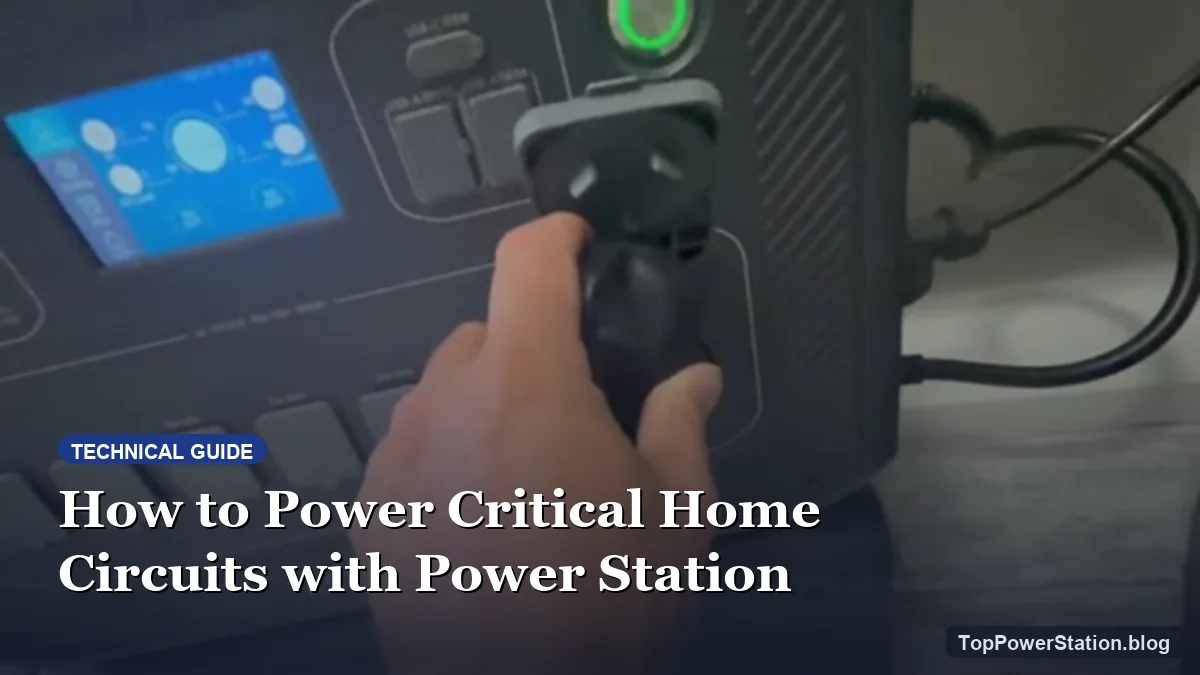
Always calculate your continuous starting wattage demands before connecting any portable generator system to a manual transfer switch. Proper isolation protects utility workers from dangerous backfeed loops.
Ready to compare models? Start with our Best Portable Power Station: Top Backup & Off-Grid Picks.
Practical Quick-Reference Table
| Scenario / Metric | Recommended Target | Why It Matters |
|---|---|---|
| Continuous Load | Under 80% of rated capacity | Prevents thermal overload in inverter circuits. |
| Inductive Surge | 3x nominal running wattage | Accommodates motor startup current spikes safely. |
| Transfer Switch | Dedicated manual subpanel | Eliminates dangerous utility grid backfeed risks. |
| Cable Gauge | 10 AWG to 12 AWG copper | Reduces voltage drop over longer wiring runs. |
| Battery Chemistry | LiFePO4 lithium iron phosphate | Delivers superior cycle life and thermal safety. |
| Grounding Rod | Standard copper-clad steel | Ensures proper fault current path for safety. |
Core Fundamentals of Home Backup Sizing
Understanding household energy consumption begins with analyzing your essential appliance nameplate ratings. Starting surges often exceed continuous running power requirements significantly during normal operations.
High-draw motor appliances like refrigerators and sump pumps require heavy inductive surge headroom. Starting multipliers can triple the base running wattage during initial compressor startup cycles.
Battery chemistry and inverter capacity dictate how long your critical circuits will remain energized. LiFePO4 cells offer superior thermal stability and extended cycle life over traditional chemistries.
Evaluating ambient operating temperatures prevents unexpected thermal throttling during emergency deployments. Proper ventilation around the inverter enclosure maintains optimal efficiency under heavy electrical loads.
- Audit nameplate wattage ratings for all target appliances.
- Account for inductive motor startup surge multipliers.
- Prioritize medical equipment and refrigeration circuits first.
- Factor in inverter idle consumption over long periods.
Assessing Inverter Surge Limits
Inverter surge capacity determines whether heavy motor loads will trip internal protection circuits. Pure sine wave output ensures sensitive electronics operate without interference or harmonic distortion.
Reviewing manufacturer specifications reveals the exact duration a unit can sustain peak surges. Integrating the best portable power station with solar panels helps maintain reliable daily charging capacity off-grid.
- Verify peak surge wattage ratings against motor specs.
- Avoid daisy-chaining multiple high-draw power strips.
Circuit Assessment and Load Calculations
Mapping your home breaker panel helps isolate essential circuits from non-essential household loads. Selective load shedding preserves battery reserves exclusively for survival and comfort equipment.
Calculating total amp-hours requires converting running watts into daily kilowatt-hour consumption metrics. Math precision ensures your energy storage matches real-world operational duration expectations.
Refrigerators cycle on and off throughout the day, altering average hourly power draw. Duty cycle estimates prevent underestimating daily energy depletion rates during extended grid outages.
Gas furnaces require steady electricity for blowers and electronic ignition control boards. Fan motor wattage must be accounted for alongside fuel delivery system electrical requirements.
- Create a detailed inventory of essential circuit loads.
- Measure actual running watts using a clamp meter.
- Calculate daily kilowatt-hour totals for runtime accuracy.
- Designate specific circuits for emergency power transfer.
Balancing Phase and Wattage
Splitting loads correctly prevents overloading a single inverter output port. Upgrading to a high-capacity home power station guarantees adequate surge headroom for heavy motor starts.
Monitor real-time wattage output displays to catch unexpected spikes before overloads occur. Active monitoring protects sensitive home electronics from voltage sag events.
- Check phase distribution on multi-voltage setups.
- Verify individual outlet amperage limits carefully.
Video Walkthrough: Bluetti AC300 240v How to Connect to Home Electrical Panel
Manual Transfer Switch Integration Methods
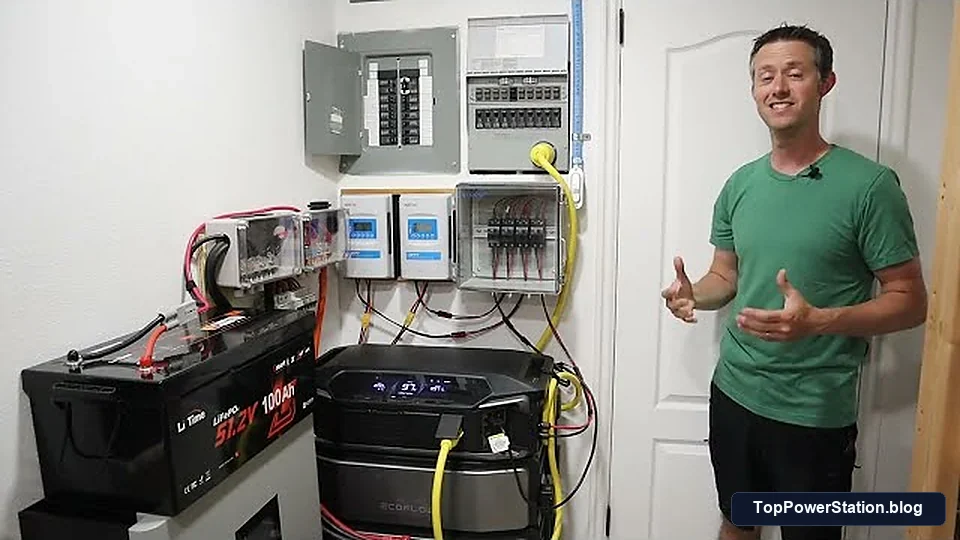
Connecting a power station directly to home wiring demands a certified manual transfer switch. Choosing the best portable power station for home backup ensures seamless integration during extended electrical grid failures.
Installing a transfer subpanel isolates specific critical circuits safely away from the main grid. Code compliance protects structural wiring from accidental high-voltage fault currents.
Hardwiring requires a licensed electrician to mount the transfer switch near your breaker box. Professional installation ensures local electrical safety codes and regulations are strictly met.
Inlet box placement exterior to the home allows clean weather-sealed cord connections. Weatherproof covers protect the male generator plug from moisture infiltration during storms.
- Install a listed manual transfer switch for safety.
- Never attempt backfeeding through standard wall outlets.
- Consult certified electricians for hardwired integration.
- Use weather-resistant exterior power inlet boxes.
Interlock Kit Alternative Solutions
Panel interlock kits slide over main breakers to permit safe generator breaker engagement. Physical barriers ensure main utility lines remain disconnected when backup power is active.
This method allows flexible selection of any household breaker within rated limits. Cost efficiency makes interlock kits popular alternatives to dedicated transfer subpanels.
- Verify panel compatibility before purchasing interlocks.
- Ensure breaker positioning matches municipal requirements.
Step-by-Step Installation Protocols
Begin the physical installation by turning off the main utility breaker completely. Zero energy state verification protects installers from severe electrical shock hazards.
Mount the manual transfer switch securely to wall studs adjacent to the main panel. Sturdy mounting withstands physical stress from heavy power cord manipulation.
Route rigid conduit or armored cable between the transfer switch and breaker box. Conduit protection shields individual circuit conductors from physical damage or pinching.
Connect individual circuit wires from the switch to their corresponding circuit breakers. Torque specifications must be followed precisely to prevent loose terminal connections.
- Shut off main utility power before opening panels.
- Secure transfer switch housing to wall framing.
- Route wires cleanly through approved conduit fittings.
- Torque all terminal screw connections to factory specs.
Testing Circuit Continuity
Perform rigorous multimeter continuity checks before energizing the newly installed transfer switch. Fault verification catches wiring mistakes before equipment connection takes place.
Test each transferred circuit independently to ensure proper switching function and grounding. System validation guarantees safe operation under actual load conditions.
- Use a calibrated digital multimeter for testing.
- Verify ground and neutral separation standards.
Phase Balancing and Surge Management
Managing heavy inductive loads requires understanding your power station's surge handling thresholds. Using our runtime wh calculator helps predict exact operating limits before connecting large appliances.
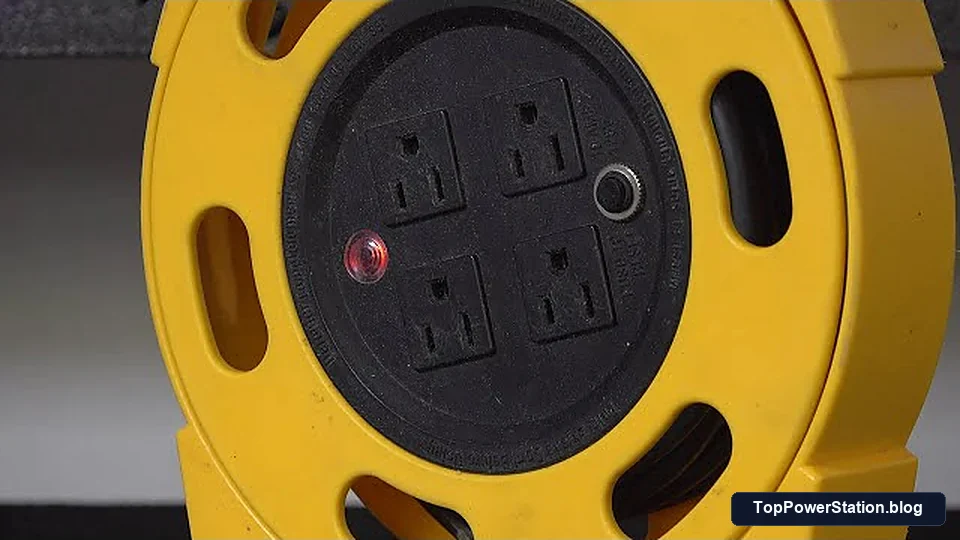
Staggering appliance startup sequences prevents cumulative surge currents from tripping the inverter. Staggered timing ensures peak load demands remain well below maximum ratings.
Monitor total harmonic distortion metrics when running complex microprocessor-controlled heating systems. Clean power output prevents premature motor wear and electronic component degradation.
Keep high-draw heating elements separated from sensitive medical or computing equipment circuits. Circuit segregation minimizes voltage drop interference across shared internal buses.
- Stagger appliance startup times during outages.
- Monitor real-time inverter load percentage displays.
- Segregate sensitive electronics from heavy motors.
- Check total harmonic distortion under heavy load.
Managing Inductive Motor Loads
Motors generate magnetic feedback fields when cycling off under heavy operational loads. Flyback suppression protects internal inverter switching transistors from voltage spikes.
Always factor in power factor ratings when calculating true running appliance wattage. Apparent power calculations prevent unexpected inverter overloads during peak cycles.
- Account for power factor in load planning.
- Inspect motor capacitors for signs of wear.
Video Walkthrough: The Essentials
Common Integration Pitfalls and Diagnostics
Common mistakes include exceeding continuous power ratings with unverified heating appliances. Overload trips cut power instantly, plunging critical circuits into sudden darkness.
Improper grounding creates floating neutral issues that confuse sensitive furnace control boards. Bonded neutrals must match local electrical code requirements for safety.
Using undersized extension cords causes severe voltage drop and dangerous cable overheating. Proper sizing with thick copper conductors prevents resistive thermal buildup.
Failing to account for ambient heat buildup inside enclosed utility closets causes throttling. Thermal headroom prevents automatic shutdowns during warm summer emergencies.
- Avoid running multiple heating appliances simultaneously.
- Verify correct neutral bonding in backup setups.
- Never use undersized cords for high-wattage feeds.
- Ensure adequate ventilation in equipment enclosures.
Troubleshooting Inverter Fault Codes
Modern power stations display specific error codes when encountering internal faults. Error logs guide technicians directly to the root cause of unexpected shutdowns.
Resetting the unit requires clearing all connected loads before restarting the inverter. Cold reboots clear temporary software glitches and sensor misreadings.
- Record error codes before resetting units.
- Disconnect all loads prior to system reboots.
Preventative Maintenance and Safety Standards
Routine equipment inspections catch wear and tear before emergency deployment situations arise. Visual checks identify frayed cables, cracked housings, and loose terminal screws.
Cleaning cooling fans and intake vents prevents dust accumulation and thermal throttling. Dust removal maintains optimal airflow across internal heat sink assemblies.
Testing transfer switch mechanics annually ensures smooth operation during unexpected grid failures. Mechanical exercise prevents corrosion from seizing internal contact points.
Store backup power equipment in clean, dry environments away from direct sunlight. Environmental control preserves battery chemistry longevity and enclosure integrity.
- Inspect power cords and connectors regularly.
- Clean cooling intake vents of dust debris.
- Exercise manual transfer switches annually.
- Store units in temperature-controlled spaces.
Battery Health Verification Checks
Monitoring capacity degradation over time helps predict replacement intervals accurately. State of health metrics indicate internal cell resistance and overall capacity.
Perform calibration cycles periodically by discharging and recharging the battery fully. Full calibration resets internal fuel gauge algorithms for accurate readouts.
- Track full charge capacity percentages over time.
- Run periodic calibration discharge cycles.
Long-Term Storage and Firmware Calibration
Preparing power stations for long-term storage requires maintaining optimal state-of-charge levels. Storage charge between fifty and sixty percent prevents chemical degradation.
Updating internal firmware ensures your inverter operates with the latest safety patches. Firmware optimization improves charging efficiency and fault response algorithms.
Disconnect all auxiliary accessories and external monitoring modules during extended storage periods. Parasitic drain elimination preserves remaining battery energy for future use.
Perform quarterly maintenance charges if stored units sit unused for extended periods. Maintenance charging prevents deep discharge damage to internal cells.
- Store units at fifty percent state of charge.
- Update firmware using manufacturer software tools.
- Disconnect all external accessories completely.
- Recharge stored batteries every three months.
Executing Firmware Updates Safely
Always connect your power station to a stable power source during firmware updates. Stable power prevents bricking the internal control board mid-flash.
Follow manufacturer instructions precisely and avoid interrupting the update process prematurely. Process integrity guarantees successful software installation without corruption.
- Plug unit into AC power before updating.
- Never interrupt active firmware installation.
Frequently Asked Questions
Can I plug my power station directly into a wall outlet to backfeed my home?
Never backfeed power through standard wall outlets because it creates a fatal hazard for utility workers. Always install a certified manual transfer switch or interlock kit.
How do I calculate what size power station I need for critical home circuits?
Sum the continuous running wattage of your essential appliances and multiply motor loads by their starting surge factor. Choose an inverter that exceeds this peak requirement.
What is the best battery chemistry for home backup power stations?
LiFePO4 lithium iron phosphate chemistry offers exceptional thermal stability and extended cycle life compared to traditional chemistries. It remains the industry standard for home backup.
Do I need an electrician to install a manual transfer switch?
Hardwiring a transfer switch into your main electrical panel requires a licensed electrician to ensure municipal code compliance. This prevents dangerous installation mistakes.
How often should I test my manual transfer switch and power station?
Perform physical inspections and system tests every six months to ensure reliable operation. Regular testing prevents component seizure and verifies battery health.