How to Connect Solar Panels to Portable Power Station
Connecting external photovoltaic arrays requires strict adherence to electrical ratings. Precise configuration prevents internal damage and maximizes daily energy harvest.

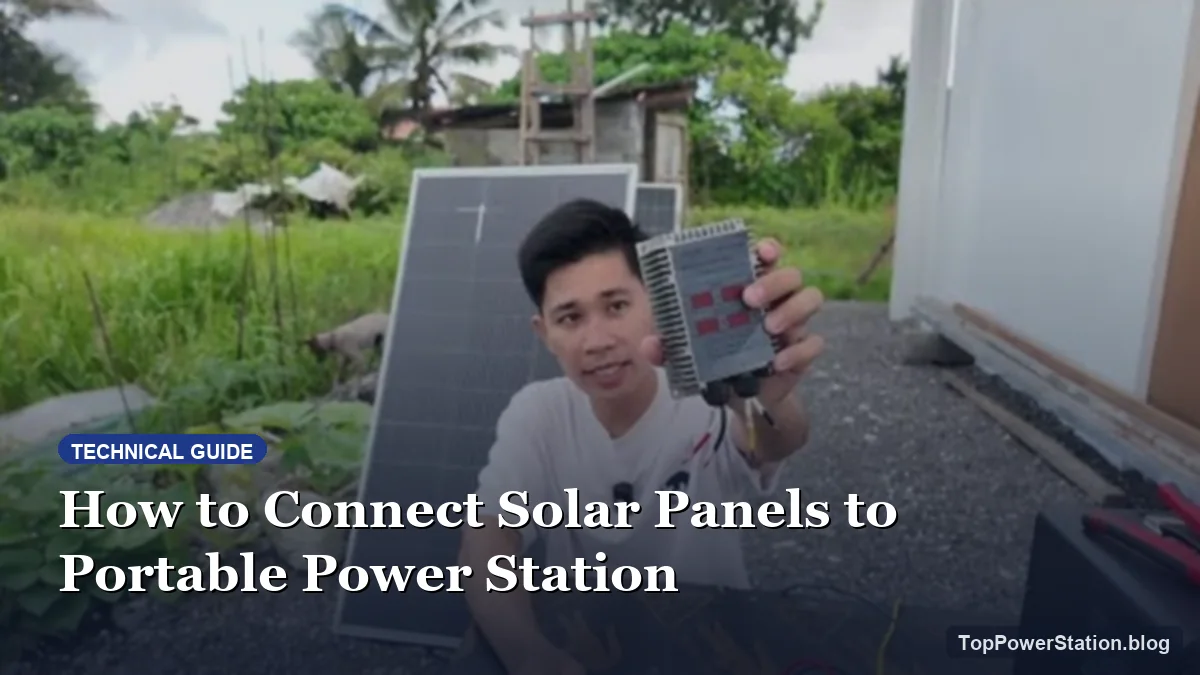
Always verify your solar panel's open-circuit voltage against the generator's maximum input limit before making any physical connections to prevent catastrophic controller failure.
Ready to compare models? Start with our Best Portable Power Station: Top Backup & Off-Grid Picks.
Practical Quick-Reference Table
| Scenario / Metric | Recommended Target | Why It Matters |
|---|---|---|
| Open-Circuit Voltage | Below max Voc rating | Prevents permanent controller burnout |
| Wire Gauge Size | 10 to 12 AWG copper | Minimizes line resistance and heat |
| Array Configuration | Series or Parallel match | Optimizes MPPT tracking efficiency |
| Shading Management | Zero partial obstruction | Protects bypass diodes from failure |
| Connection Sequence | Generator first, panels last | Eliminates dangerous live arcing risks |
| Storage State | 50% battery capacity | Preserves lithium-ion cell longevity |
Understanding Solar Input Specifications and Electrical Limits
Portable power stations feature strict solar input limits defined by maximum voltage, current, and wattage ratings. Reviewing specifications in our portable power station vs solar generator comparison prevents exceeding the Voc threshold.
Review your generator data plate to find the absolute input boundaries. Most units accept specific DC ranges like twelve to sixty volts under standard testing conditions.
Calculate total array voltage carefully by summing individual panel ratings. Series wiring increases voltage, while parallel wiring multiplies current, demanding precise mathematical verification beforehand.
Modern MPPT controllers adapt dynamically to fluctuating sunlight, but they remain sensitive to current surges. Ensure your total operating amperage stays below the unit's fuse rating.
- Identify exact voltage ceilings before wiring.
- Sum individual panel metrics accurately.
- Never exceed manufacturer current maximums.
- Account for cold temperature voltage spikes.
Decoding Panel Labels and Ratings
Factory labels list maximum power voltage and short-circuit current metrics clearly. Use these figures for safety calculations rather than nominal voltage values.
Temperature coefficients alter voltage output significantly during cold morning hours. Account for thermal expansion by adding a ten percent safety margin.
- Read STC data plates carefully.
- Apply thermal correction factors.
Inspecting Connectors, Wire Gauges, and Polarity Standards
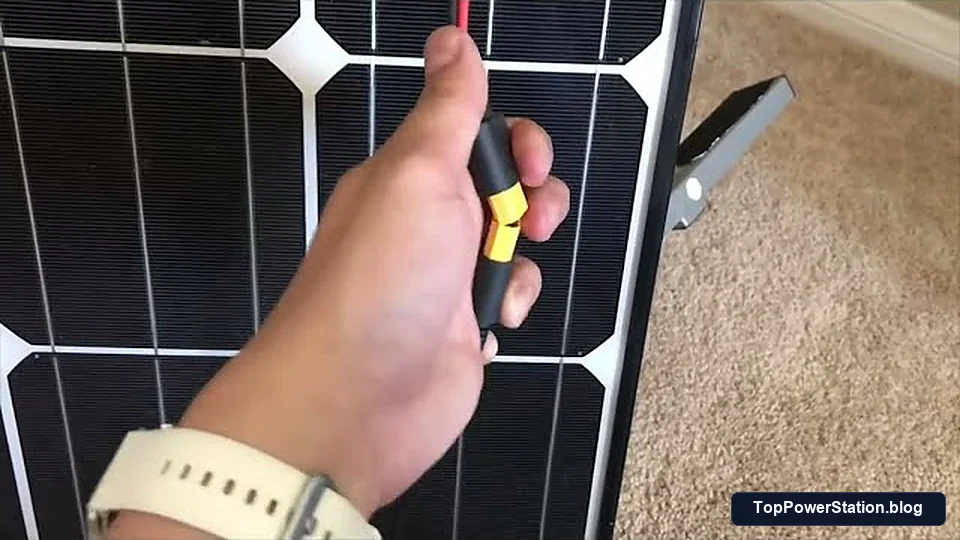
Standardized connectors like Anderson Powerpole and MC4 ensure secure mechanical junctions in field environments. Always inspect rubber O-rings for cracking before outdoor deployment.
Wire gauge thickness dictates safe electrical transfer over extended distances without thermal degradation. Undersized cables experience heavy resistance, causing severe voltage drop and energy loss.
Match your conductor thickness to expected current loads using standard American Wire Gauge charts. Utilizing ten AWG copper wire minimizes resistance across long residential runs.
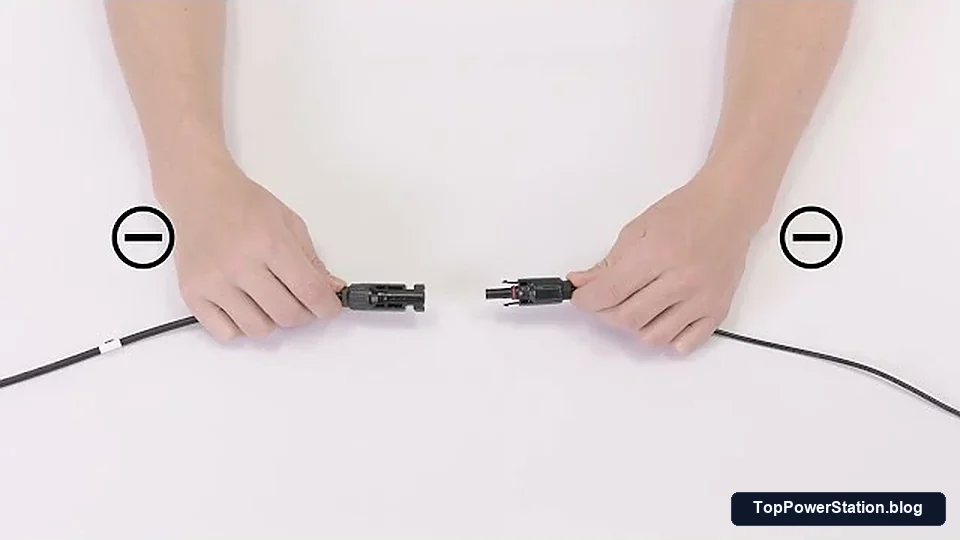
Polarity reversal causes immediate hardware lockouts or internal fuse blowouts in most modern generators. Double-check positive and negative leads using a digital multimeter before plugging in.
- Verify O-ring integrity on all plugs.
- Use thick gauge wiring for long runs.
- Test lead polarity with a multimeter.
- Avoid damaged or frayed cable jackets.
Termination Techniques and Adapter Safety
Avoid mixing proprietary adapter plugs unless rated for high-wattage DC solar applications. Poorly seated pin contacts generate localized heat and create fire hazards.
Crimp terminals securely using calibrated hand tools to prevent loose strands from causing internal shorts. Heat-shrink tubing adds essential moisture protection for outdoor joints.
- Use rated adapter plugs only.
- Apply heat-shrink for weather sealing.
Video Walkthrough: Finding \u0026 Connecting the RIGHT Solar Panel - Power Stations 101 Series
Configuring Series versus Parallel Array Wiring Methods
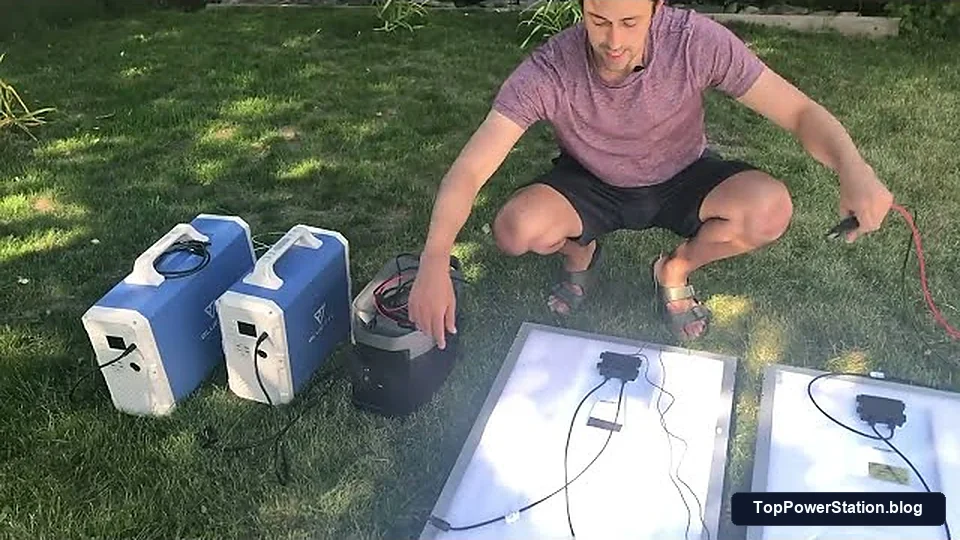
Series wiring links positive terminals to negative terminals, compounding total voltage output across the entire circuit. This method helps panels reach minimum MPPT threshold requirements quickly.
Parallel wiring connects all positive leads together and all negative leads together, multiplying total amperage. This approach prevents entire array failure if a single panel encounters shade.
Hybrid series-parallel configurations balance voltage and amperage to match strict generator input windows. Designing hybrid arrays requires matching panel wattages and electrical specs precisely.
Never mix different solar panel models within the same series string. Mismatched operational current forces the strongest panels to bottleneck at the weakest module's level.
- Series wiring increases total voltage.
- Parallel wiring multiplies total amperage.
- Match panel specs in hybrid strings.
- Avoid mixing different panel models.
Calculating Combined Array Outputs
Add individual panel voltages together when designing a strictly series-connected photovoltaic string layout. Estimate your expected energy draw using our power station runtime calculator tool to verify the sum remains safely below thresholds.
Sum individual amperage ratings when configuring parallel circuits to ensure total current stays within controller tolerances. Exceeding current limits triggers internal overcurrent protection trips.
- Sum voltages for series strings.
- Sum amperage for parallel circuits.
Step-by-Step Field Connection and Controller Calibration
Evaluate your setup using our best portable power station with solar panels selection before deploying hardware in direct sunlight. Covering panels with an opaque blanket prevents accidental sparking during installation.
Connect the adapter cables securely to the portable power station input port first. This sequence prevents stray charges from shocking exposed connector pins during handling.
Uncover the photovoltaic array slowly while monitoring the power station LCD screen for incoming wattage. Confirm that voltage readings stabilize within normal operating parameters immediately.
Allow the internal MPPT charge controller a few minutes to calibrate its tracking algorithm. Battery state-of-charge percentages should begin climbing steadily under clear skies.
- Deploy and cover panels before wiring.
- Connect power station end of cable first.
- Uncover array slowly to check wattage.
- Allow controller time to calibrate.
Monitoring Real-Time Energy Harvest
Observe real-time power metrics on the digital display to verify optimal energy conversion efficiency. Fluctuating cloud cover will cause expected drops in daily generation totals.
Record peak wattage readings at solar noon to assess overall array health and panel cleanliness. Consistent performance degradation indicates dust accumulation or hardware aging.
- Check digital display for wattage.
- Record peak numbers at solar noon.
Environmental Factors, Shading, and Angle Optimization
Partial shading destroys photovoltaic string efficiency because bypass diodes must divert current around darkened cells. Even minor branch shadows drastically reduce total system power output.
Adjust your panel tilt angles seasonally to capture maximum direct sunlight throughout changing equinoxes. Optimizing your tilt angle significantly improves daily watt-hour accumulation metrics.
Ambient temperature heavily influences solar cell voltage efficiency during peak daylight hours. Hot summer weather decreases panel voltage output despite intense surface illumination levels.
Secure portable panels against sudden wind gusts using ballast weights or heavy-duty ground anchors. Unsecured arrays easily flip over, causing catastrophic glass breakage and frame distortion.
- Keep panels entirely free of shade.
- Adjust tilt angles across seasons.
- Account for thermal voltage drops.
- Secure frames against wind gusts.
Mitigating Obstructions and Debris Accumulation
Inspect surrounding terrain regularly for encroaching tree growth that might cast shadows during prime charging hours. Relocate portable frames to maintain unobstructed solar exposure windows.
Wipe glass surfaces clean using mild soapy water and a soft microfiber cloth periodically. Removing accumulated dust film restores maximum photovoltaic light absorption efficiency instantly.
- Trim surrounding tree branches.
- Clean glass surfaces regularly.
Video Walkthrough: How to connect solar panels to Bluetti solar generator start to finish Ac200P and Ac200Max
Troubleshooting Low Voltage and Error Codes
Low input wattage usually stems from improper wiring configurations or dirty glass surfaces. Check all physical connection points for corrosion, loose pins, or moisture ingress.
Error codes indicating over-voltage mean your series string exceeds the generator's strict voltage threshold. Disconnect the array immediately and reconfigure panels into a parallel layout.
Intermittent charging spikes often point to loose connector crimps or failing diodes within junction boxes. Use a multimeter to isolate faulty modules within the string.
Check DC input fuses located inside adapter cables if the generator shows zero charging activity. Blown fuses require exact replacement ratings to ensure continued safe operation.
- Inspect connections for corrosion.
- Reconfigure strings if over-voltage occurs.
- Test modules with a multimeter.
- Replace blown fuses with exact ratings.
Diagnosing Controller Lockouts and Resets
Persistent over-current warnings require shutting down the power station and clearing error memory logs. Consult your owner manual for specific hardware reset button sequences.
Disconnect all external charging sources before performing a hard system reboot to protect sensitive internal logic boards. Reconnect solar lines only after normal status returns.
- Clear error logs per manual.
- Reboot system with loads disconnected.
Preventive Maintenance and Long-Term Storage Practices
Routine maintenance extends the functional lifespan of hardware, especially when pairing units from our best solar panels for power stations. Store panels safely inside padded cases during extended off-grid trips.
Keep connector pins clean and apply dielectric grease sparingly to prevent oxidation in humid coastal environments. Regular cleaning prevents high-resistance joints from causing thermal damage.
Inspect cabling for rodent damage, UV degradation, or insulation cracking before every major outdoor excursion. Replace compromised wiring harnesses immediately to eliminate fire risks.
Store your portable power station indoors within moderate temperature ranges during off-seasons. Maintaining a fifty percent charge level preserves internal lithium-ion cell health indefinitely.
- Store panels in padded protective cases.
- Apply dielectric grease to connector pins.
- Inspect cables for UV degradation.
- Keep stored batteries at fifty percent.
Off-Season Inspection and Safety Checks
Perform comprehensive continuity tests on all solar adapter cables using a digital ohmmeter annually. Verify zero internal resistance across every conductor strand before seasonal deployment.
Check folding frame hinges and kickstands for structural fatigue or loose fasteners. Tighten all mechanical hardware to ensure reliable physical stability on uneven campsites.
- Test cable continuity annually.
- Tighten all frame hardware.
Frequently Asked Questions
Can I connect solar panels from different brands to my power station?
Mixing brands works only if electrical ratings match closely. Ensure operating voltages are identical to prevent severe efficiency bottlenecks across your connected array string.
What happens if I exceed the maximum solar voltage limit?
Exceeding voltage limits instantly damages the internal charge controller. Always verify your array's open-circuit voltage stays below the manufacturer's specified maximum input ceiling.
Is it better to wire solar panels in series or parallel?
Series wiring increases voltage to meet minimum controller thresholds quickly. Parallel wiring multiplies current and prevents total system failure if minor shading occurs.
Why is my power station showing zero solar input wattage?
Zero wattage usually indicates reversed polarity, loose connectors, or blown fuses. Check all physical wiring paths using a digital multimeter to locate the fault.
Can I leave my solar panels plugged in during severe thunderstorms?
Disconnect all solar arrays during lightning storms to prevent power surges. Nearby lightning strikes induce massive electrical spikes that can destroy connected generators instantly.