Yeti 150 vs 200X: Technical Verdict
Weighing the older lead-acid Yeti 150 against the modern lithium Yeti 200X. This guide covers real-world metrics, physical footprints, and efficiency.

Choose the Yeti 200X for its lightweight lithium cell chemistry and faster recharging speeds. Opt for the Yeti 150 only if you find a heavily discounted legacy unit for basic emergency readiness.
Compare all top models in our Best Portable Power Station: Top Picks for 2026.
Side-by-Side Breakdown
| Criteria | Yeti 150 | 200X | Edge |
|---|---|---|---|
| Core Design / Build | Lead-acid AGM heavy chassis | Compact lithium-ion pack | 200X |
| Real-World Performance | Lower usable watt-hours | Higher efficient output | 200X |
| Ease of Setup & Use | Basic analog readout | Digital percentage display | 200X |
| Durability & Reliability | Sensitive to deep discharge | Built-in battery management | 200X |
| Efficiency / Operating Footprint | Bulky and heavy form factor | Lightweight portable profile | 200X |
| Maintenance Requirements | Requires frequent trickle charging | Low self-discharge storage | 200X |
| Best Ideal Use Case | Static backup for small lamps | Mobile tech charging and travel | 200X |
Battery Chemistry and Internal Architecture
Internal battery chemistry dictates the entire operational profile of any portable power station. The older unit relies on sealed lead-acid technology, which significantly restricts usable capacity and increases overall physical weight for the user.
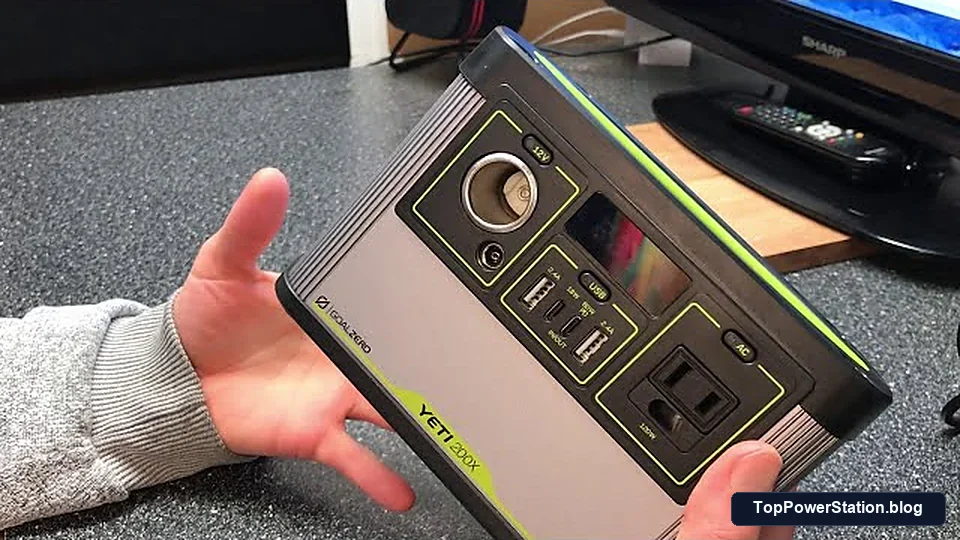
Conversely, modern alternatives like those evaluated in our goal zero yeti 1500x review utilize advanced lithium-ion cells. This shift delivers higher energy density, ensuring you get more usable power without dragging around unnecessary dead weight.
Understanding these foundational differences helps buyers prevent premature equipment failure during critical power outages.
- Lead-acid AGM architecture adds substantial mass to the older chassis design.
- Lithium-ion cells offer superior energy density and lighter travel weights.
- Internal battery management systems protect modern lithium cells from voltage drops.
Energy Density Comparisons
Energy density remains the single most important metric when comparing these two power stations. You receive significantly more watt-hours per pound from the lithium architecture found in the newer model.
Legacy lead-acid designs suffer from severe voltage sag under heavy loads, reducing their effective capacity during peak draw scenarios.
- Lithium technology maximizes usable capacity safely.
- Lead-acid designs suffer from heavy voltage drop under load.
Internal BMS Evolution
Modern battery management systems monitor cell temperatures and voltage levels continuously. Older legacy models lacked these sophisticated microprocessors, leaving them vulnerable to accidental over-discharge damage.
Protecting your investment requires understanding how these electronic safety guards operate in real environments.
- Microprocessor monitoring prevents thermal runaway events.
- Legacy systems relied on manual user oversight.
Output Ports and Inverter Capabilities
Power distribution panels determine which household electronics you can safely operate in the field. The legacy model provides basic 12-volt and USB connections alongside a modified sine wave AC inverter for simple gear.
Upgrading to the newer variant introduces refined power ports, including a regulated USB-C Power Delivery port capable of fast-charging modern laptops and professional camera gear without bulky adapter bricks.
Check your device power requirements before plugging in sensitive medical or audio equipment.
- Legacy units feature basic AC sockets and standard USB ports.
- Modern variants integrate high-speed USB-C Power Delivery ports.
- Inverter waveform types dictate compatibility with sensitive electronics.
AC Inverter Waveform Analysis
Modified sine wave outputs on older stations can cause humming noises in audio gear. Pure or modified approximations require careful verification before powering motorized equipment or sensitive digital controllers.
Modern options highlighted in our goal zero yeti 1000x review deliver cleaner power profiles suitable for delicate charging tasks, preventing electrical interference and safeguarding sensitive microprocessors from unexpected voltage fluctuations during everyday use.
- Modified waves may cause motor heating issues.
- Clean output protects sensitive consumer electronics.
DC and USB Port Layouts
USB-C integration has revolutionized mobile device charging standards across the industry. Older stations require cumbersome 12-volt car adapters to achieve comparable charging speeds for modern smartphones and tablets.
Streamlined port layouts reduce cable clutter during emergency deployment.
- USB-C ports eliminate bulky charging bricks.
- Legacy 12-volt sockets require secondary adapters.
Recharging Speeds and Input Versatility
Replenishing stored energy efficiently keeps your expedition running smoothly without unnecessary downtime. The older lead-acid platform demands lengthy wall-charging sessions, often taking nearly an entire day to reach full capacity.
As noted in our goal zero yeti 700 review, lithium alternatives accept higher solar input wattages and support fast wall chargers that dramatically cut down replenishment times, getting you back to full power in just a few hours.
Always verify maximum solar panel voltage ratings before connecting third-party photovoltaic arrays.
- Lead-acid models require extended hours for complete wall recharging.
- Lithium units support rapid charging protocols from standard wall outlets.
- Solar panel compatibility expands off-grid operational independence significantly.
Solar Panel Integration
Harnessing solar energy requires reliable charge controllers built directly into the power station housing. Both units feature integrated regulation, but the newer model handles varied panel voltages with greater efficiency.
Field deployments demand robust connectors that withstand dust and moisture exposure.
- Built-in charge controllers regulate incoming solar voltage.
- Weather-resistant connectors ensure reliable field pairing.
Wall Charging Performance
Plugging into a standard household AC outlet remains the most common method for prep work. Modern charging bricks supply higher amperage directly to the internal lithium cells for rapid turnaround.
Plan your pre-trip charging schedule according to each unit's specific input limits.
- AC adapters dictate base replenishment speed.
- Rapid charging minimizes preparation delays before trips.
Physical Dimensions and Ergonomic Portability
Physical dimensions and weight heavily influence how often you will actually pack your gear alongside selections from our best solar panels for goal zero yeti guide. Heavy lead-acid configurations make legacy stations difficult to carry.
Streamlined engineering in the lithium competitor results in a compact, lightweight cube that fits easily into crowded vehicle trunks or emergency backpacks without straining your shoulder muscles.
Ergonomic handle placement further enhances transport convenience during hurried evacuations.
- Legacy units feature heavy chassis designs that hinder mobility.
- Lithium alternatives offer lightweight, compact travel profiles.
- Ergonomic handles improve grip security during transport.
Weight Distribution Metrics
Carrying heavy equipment over rough terrain demands balanced weight distribution and secure handles. Lead-acid batteries concentrate massive weight at the bottom, creating an awkward center of gravity.
Compact lithium packs distribute internal components evenly for comfortable one-handed carrying.
- Balanced internals prevent wrist strain during transport.
- Heavy bottom-heavy designs require two-handed carrying care.
Storage Footprint Efficiency
Finding space in a packed vehicle trunk tests every traveler's packing discipline. The smaller footprint of the lithium model allows it to slip easily beneath car seats or inside emergency supply kits.
Maximize storage efficiency by selecting appropriately sized gear for your vehicle.
- Small footprints fit easily under vehicle seats.
- Compact shapes optimize crowded emergency storage shelves.
Thermal Management and Safety Systems
Thermal management protects internal circuitry from overheating during sustained high-wattage output sessions. Passive cooling fins work alongside internal sensors to regulate operating temperatures under demanding environmental conditions.
Advanced safety protocols automatically shut down power delivery if short circuits or extreme temperatures occur, protecting both the connected appliances and the internal battery cells from catastrophic failure.
Always operate portable generators in well-ventilated, dry outdoor locations.
- Passive cooling prevents damage during high-draw operations.
- Automatic shutoff mechanisms stop hazardous short circuits instantly.
- Environmental sensors monitor operating thresholds continuously.
Overload Protection Mechanisms
Exceeding rated wattage limits triggers internal circuit breakers designed to safeguard delicate electronic components. Modern power stations reset automatically or via simple button presses after clearing the fault.
Understanding trip thresholds prevents accidental equipment shutdowns during critical tasks.
- Circuit breakers prevent wiring meltdowns under high loads.
- Automatic resets simplify troubleshooting in the field.
Environmental Temperature Limits
Extreme cold and excessive heat degrade battery capacity and charging efficiency drastically. Operating equipment within manufacturer-specified temperature ranges preserves long-term health and maximum output reliability.
Protect your power station by insulating it during freezing winter camping trips.
- Freezing temperatures temporarily reduce available battery capacity.
- High heat triggers thermal protection shutdown protocols.
Long-Term Maintenance and Cycle Life
Long-term ownership costs depend heavily on routine maintenance and overall battery cycle lifespan. Lead-acid batteries demand frequent recharging during storage to prevent permanent sulfation and capacity loss.
Lithium-ion power stations boast significantly higher cycle counts and minimal self-discharge rates, allowing them to sit on a garage shelf for months while retaining most of their emergency charge.
Proper off-season storage practices extend the functional service life of any electrochemical generator.
- Lead-acid cells require continuous trickle charging during storage.
- Lithium units maintain charge longer with minimal self-discharge.
- Higher cycle counts provide years of reliable daily service.
Storage Protocols
Storing a power station correctly ensures it activates instantly when an unexpected blackout strikes. Keeping lithium units at a partial charge state prevents chemical degradation over extended storage periods.
Review user manuals for specific seasonal storage recommendations.
- Partial charge storage preserves lithium cell health.
- Regular inspection catches minor issues before emergencies.
Cycle Life Expectancy
Cycle life measures how many complete discharge and recharge sessions a battery endures before capacity drops significantly. Modern lithium chemistries outperform older lead-acid counterparts by thousands of cycles.
Investing in durable cycle ratings lowers long-term replacement costs.
- Lithium cells deliver extensive multi-year service lives.
- Legacy chemistry degrades faster under regular cycling.
Ideal Buyer Profiles and Use Cases
Matching your specific lifestyle to the correct power station prevents buyer remorse and wasted expenditures. Weekend campers and remote digital nomads benefit immensely from the lightweight portability and fast USB-C charging of the lithium model.
Conversely, budget-focused hobbyists who only need occasional stationary backup for small LED lamps might still find utility in legacy units if obtained through secondary markets.
Evaluate your daily power consumption before making a final purchasing decision.
- Nomads and campers need lightweight lithium power solutions.
- Stationary hobbyists can utilize legacy units for basic lighting.
- Power audits ensure you select the correct capacity.
Outdoor Recreation Suitability
Backpacking and car camping demand reliable gear that minimizes physical effort. Carrying a heavy lead-acid block dampens the enjoyment of outdoor adventures compared to lightweight alternatives.
Prioritize weight savings when building a mobile off-grid kit.
- Lightweight gear enhances outdoor excursion enjoyment.
- Mobile kits require rugged, compact power stations.
Emergency Preparedness Planning
Home emergency kits require dependable backup power that holds a charge during long storage intervals. Low self-discharge rates make modern lithium stations superior candidates for household disaster readiness.
Test your emergency equipment twice a year to ensure readiness.
- Low self-discharge ensures readiness during unexpected blackouts.
- Regular testing verifies system functionality under load.
Frequently Asked Questions
Can I replace the internal battery myself?
Replacing internal batteries requires technical expertise and specialized tools. We recommend contacting certified service centers for safe repairs.
Are these power stations approved for airline travel?
Commercial airlines restrict lithium-ion battery capacities in cabin baggage. Always check specific carrier regulations before your flight.
What causes lead-acid batteries to lose capacity?
Sulfation occurs when lead-acid batteries sit uncharged for extended periods. Regular trickle charging prevents this permanent chemical damage.
Can I charge the station while powering devices?
Pass-through charging is supported on modern lithium models. This allows simultaneous input from solar panels and output to appliances.
How do I calculate my total runtime needs?
Divide the station's total watt-hours by your device's wattage draw. Account for inverter efficiency losses during real-world usage.