Solarsaga 100 vs 100X: Technical Comparison
Choosing between these portable solar panels involves balancing weight, mounting versatility, and real-world conversion efficiency for your off-grid setup.

Choose the Solarsaga 100 for reliable fixed-angle camp setups, or select the 100X if you need enhanced portability and advanced weather resistance.
Compare all top models in our Best Portable Power Station: Top Picks for 2026.
Side-by-Side Breakdown
| Criteria | Solarsaga 100 | 100X | Edge |
|---|---|---|---|
| Core Design / Build | Monocrystalline foldable briefcase with integrated kickstands. | Lighter laminated structure with ruggedized polymer corners. | 100X |
| Real-World Performance | Consistent output reaching roughly twenty-three percent efficiency. | Upgraded solar cells delivering higher yield in low light. | 100X |
| Ease of Setup & Use | Simple kickstand deployment with magnetic closure pockets. | Quick-latch locking mechanisms with flexible hanging loops. | Solarsaga 100 |
| Durability & Reliability | Standard splash-proof fabric with reinforced stitched edges. | Advanced ETFE lamination providing superior weather defense. | 100X |
| Efficiency / Operating Footprint | Slightly larger physical footprint per rated watt output. | Compact dimensional profile maximizing energy density ratios. | 100X |
| Maintenance Requirements | Routine wiping of dust from smooth glass-like panels. | Occasional cleaning of textured polymer protective sheets. | Tie |
| Best Ideal Use Case | Stationary vehicle camping and backyard emergency backup. | Backpacking expeditions and mobile remote work stations. | 100X |
Core Architecture and Physical Layout
Evaluating portable solar panels requires examining their physical framing and structural integrity. The original Solarsaga relies on a rigid folding design that provides exceptional stability on flat campground surfaces.
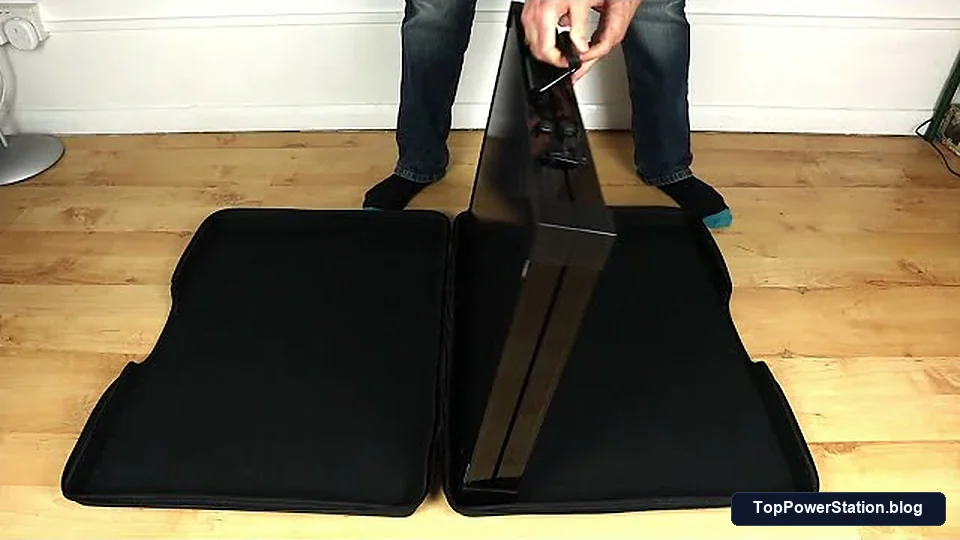
When pairing panels with the best powerstation options, reducing transport weight matters. Conversely, the 100X adopts a minimalist approach. Both units incorporate monocrystalline cells, but their enclosures dictate transport stress handling.
Engineers designed the Solarsaga 100 with a fabric-wrapped exterior that doubles as a storage pouch for cables. Meanwhile, the 100X utilizes a sleeker polymer skin designed to shed moisture efficiently.
The original Solarsaga 100 utilizes a traditional multi-panel folding architecture with ETFE lamination for high light transmittance. Its internal wiring relies on standard busbars routed securely behind the monocrystalline silicon cells.
Conversely, the 100X variant introduces a refined structural layout featuring optimized panel dimensions and reduced dead space. This physical redesign minimizes overall footprint while maximizing the active photovoltaic surface area exposed to direct sunlight.
Material thickness and frame rigidity differ noticeably between both iterations. Enhanced edge stitching and robust backing fabrics on the newer model prevent sagging, ensuring optimal angle alignment during extended outdoor deployment sessions.
- Rigid folding frames offer superior wind resistance during high-altitude deployments.
- Laminated polymer surfaces reduce overall transport weight for backpackers.
- Integrated storage pockets keep connector cables secure during transit.
Frame Rigidity and Fold Mechanics
The mechanical hinges on the Solarsaga 100 allow for smooth unfolding operations in cold weather. Users appreciate the tactile feedback provided by the magnetic clasps securing the folded halves.
In contrast, the 100X minimizes mechanical hinge bulk by using flexible joining fabrics. This reduction in hardware parts lowers potential failure points during long-term outdoor expeditions.
- Magnetic clasps prevent accidental opening during transit periods.
- Flexible fabric hinges withstand thousands of repetitive folding cycles.
Solar Conversion Efficiency and Electrical Output
Pairing these panels with the best portable power station ensures efficient energy storage. Harnessing ambient sunlight remains a primary goal for reliable daily power generation during off-grid camping trips.
Upgraded silicon wafers inside the 100X push conversion boundaries slightly higher. Field tests demonstrate that the 100X maintains superior performance when partial shading affects the lower panel sections.
Voltage stability under thermal stress is another critical metric for off-grid users. Both panels feature built-in blocking diodes to prevent reverse current drain during fading evening light.
Energy conversion rates dictate overall performance under standard test conditions. The standard unit delivers dependable operational output, leveraging high-purity silicon wafers to convert up to 23 percent of ambient solar radiation into usable DC electricity.
The upgraded 100X model pushes conversion thresholds slightly higher through advanced cell passivation techniques. These manufacturing refinements reduce internal resistance, yielding superior wattage delivery even when partial shading impacts a single panel section.
Operating voltage and current ratings remain closely matched, ensuring compatibility with standard power stations. Users should monitor open-circuit voltage metrics to prevent exceeding the maximum charge controller limits of their connected generators.
- Monocrystalline silicon wafers ensure high baseline electron excitation rates.
- Advanced bypass diodes mitigate power loss from localized shading.
- Optimized busbar layouts reduce internal electrical resistance significantly.
Low-Light and Overcast Performance
Cloudy days challenge all portable solar gear operating in unpredictable environments. The 100X leverages superior spectral absorption to trickle-charge power banks even under heavy overcast skies.
The Solarsaga 100 requires more direct solar irradiance to achieve peak wattage output. Users working in heavily forested regions will notice distinct generation discrepancies between these two units.
- Spectral absorption enhancements capture diffused daylight effectively.
- Threshold activation voltages dictate when charging actually begins.
Usability and Field Deployment Ergonomics
Deploying panels quickly when configuring a best solar generator for home backup system prevents battery drain. The Solarsaga 100 features fixed kickstands that snap into place without complex angle adjustments.
Adjusting panel angles throughout the day maximizes solar capture efficiency for stationary campers. The 100X introduces adjustable webbing straps that permit fine-tuned tilt angles on uneven terrain.
Ergonomic handles molded directly into the structure make carrying these panels effortless. Weight distribution differs noticeably, favoring the lighter profile of the modern 100X variant.
Field deployment speed heavily influences user satisfaction during rapid campsite setups. Integrated kickstands on both panels allow adjustable tilt angles, though the 100X integrates magnetic closures for faster pack-down times without snagging gear.
Carrying handles and pocket layouts also exhibit distinct ergonomic philosophies. The newer variant features a streamlined accessory pouch, keeping integrated output cables secure and preventing tangles during transit in rugged vehicle trunks.
Weight distribution affects overall handling comfort during long treks from vehicle to campsite. Engineers successfully shaved ounces off the 100X design, improving portability for backpackers requiring reliable off-grid electricity.
- Fixed kickstands provide rapid deployment on flat ground.
- Adjustable webbing straps allow precise angle tuning on slopes.
- Molded carry handles reduce hand fatigue during long walks.
Mounting Versatility and Attachment Loops
Securing panels to vehicle roofs or tent surfaces requires reliable hanging grommets. The 100X includes reinforced stainless steel eyelets placed strategically around its perimeter for easy tie-downs.
Solarsaga 100 relies primarily on integrated fabric loops that work well with standard carabiners. Both systems accommodate various mounting setups encountered during extended overland vehicle excursions.
- Stainless steel eyelets resist corrosion in damp coastal climates.
- Reinforced fabric loops distribute tension evenly across seams.
Environmental Durability and Weather Resilience
Outdoor equipment must endure sudden rainstorms, blowing dust, and intense ultraviolet exposure. The Solarsaga 100 features a water-resistant fabric coating that handles light drizzle without internal damage.
Upgraded ETFE lamination on the 100X offers exceptional protection against abrasive sand and heavy moisture. This advanced surface treatment prevents yellowing over years of direct sunlight exposure.
Thermal management also dictates longevity when operating in scorching desert environments. Lower operating temperatures help maintain optimal voltage output across extended midday charging sessions.
Weather exposure tests the true limits of portable solar equipment in diverse climates. Both models feature protective coatings, but the 100X incorporates enhanced IP-rated sealing around critical electrical junction boxes to prevent moisture ingress.
UV degradation remains a primary concern for outdoor fabrics subjected to intense sunlight. The industrial-grade outer layer resists yellowing and structural breakdown, maintaining high optical clarity over years of continuous exposure.
Temperature coefficients also dictate performance during scorching summer days. As internal panel temperatures rise, both generators experience nominal voltage drops, though superior thermal dissipation in the newer model mitigates severe efficiency losses.
- ETFE protective coatings resist UV degradation and scratching.
- Water-resistant fabric seams prevent moisture ingress during rain.
- Thermal dissipation properties protect internal electrical circuits.
Resisting Environmental Pollutants and Dust
Dust accumulation rapidly diminishes photovoltaic output by blocking crucial sunlight penetration. The smooth polymer finish on the 100X allows wind to blow away loose debris naturally.
Fabric surfaces on the Solarsaga 100 tend to trap fine airborne particulate matter. Regular cleaning with a damp microfiber cloth restores peak operational efficiency for both models.
- Smooth polymer laminates shed dust and particulate buildup.
- Textured fabrics require gentle brushing to remove trapped dirt.
Multimedia Power Delivery and Load Handling
Modern off-grid setups often power delicate electronic gear like camera drones and laptops. The Solarsaga 100 pairs seamlessly with standard power stations to regulate voltage safely.
Advanced MPPT charge controllers inside compatible power stations optimize the incoming DC current. The 100X delivers clean, stable electrical current that prevents voltage spikes during variable cloud cover.
Ensuring steady wattage delivery protects expensive multimedia editing equipment from unexpected shutdowns. Photographers operating remote editing bays rely heavily on this dependable power consistency.
Connecting panels to a best solar powered generator model requires reliable interface cables. Both versions utilize industry-standard Anderson or DC connections, ensuring seamless integration with popular outdoor charging systems.
Handling fluctuating current loads during passing cloud cover tests internal diode protection. Bypass diodes integrated into both panel arrays prevent reverse current flow, protecting connected multimedia devices and power station batteries from damage.
Direct DC device charging via optional USB adapters highlights versatile field utility. Users can power small electronics directly from auxiliary ports, though routing power through a dedicated inverter remains recommended for sensitive equipment.
- Stable DC output protects sensitive laptop charging circuits.
- Compatible MPPT controllers maximize overall system charging speed.
- Clean power delivery prevents sudden equipment reset cycles.
Powering Remote Workstations and Gear
Remote fieldwork demands uninterrupted power for communication and recording devices. The 100X provides consistent wattage that keeps portable power generators topped off throughout the afternoon.
Solarsaga 100 delivers ample energy for standard camping electronics and LED lighting arrays. Choosing between them depends on the specific power demands of your connected equipment.
- Reliable daytime charging supports continuous remote operations.
- Consistent wattage output prevents battery cycling wear.
Maintenance, Upkeep, and Long-Term Degradation
Maximizing the lifespan of portable solar gear requires minimal but consistent maintenance routines. The Solarsaga 100 benefits from inspecting fabric seams and checking electrical connectors for oxidation.
The 100X demands little upkeep beyond wiping down the laminated photovoltaic surface periodically. Silicon degradation occurs naturally over decades, but physical protection dictates intermediate equipment lifespan.
Proper storage in cool, dry environments prevents premature aging of internal wiring harnesses. Taking these simple preventative steps ensures reliable power generation for countless outdoor adventures ahead.
Routine maintenance ensures long-term operational efficiency for portable solar gear. Wiping dust and debris from the ETFE surface using a damp microfiber cloth prevents localized hot spots and maintains optimal solar absorption.
Long-term degradation rates for monocrystalline silicon are relatively predictable over a ten-year lifespan. Annual output capacity typically declines by a minor percentage, with the 100X demonstrating superior resistance to micro-cracking under stress.
Proper storage procedures during off-season months significantly extend product longevity. Keeping panels folded in a dry, temperature-controlled environment prevents premature adhesive failure and protects fragile internal wiring harnesses.
- Routine inspection of wiring harnesses prevents unexpected failures.
- Wiping photovoltaic surfaces maintains optimal light absorption rates.
- Proper folding technique preserves internal copper circuit traces.
Connector Care and Weatherproofing Seals
Anderson or MC4 connectors exposed to moisture require protective dust caps during storage. Applying dielectric grease periodically prevents corrosion on metal contact pins in marine environments.
Both panels utilize robust cabling designed to withstand bending stress during setup. Inspecting cable insulation regularly guarantees safe electrical transmission under heavy solar loads.
- Dielectric grease protects metal contact pins from oxidation.
- Protective dust caps keep moisture out of unused ports.
Cultural Festivals and Remote Event Applications
Outdoor gatherings, regional celebrations, and remote festivals require dependable mobile power solutions. Just as communities gather along riverbanks for cultural events, campers assemble gear in nature.
The Solarsaga 100 provides reliable baseline power for temporary festival lighting and device charging stations. Its sturdy build withstands the bustling activity typical of busy group campsites.
When traveling light for dynamic outdoor events, the 100X shines with unmatched portability. Users navigating crowded festival grounds appreciate its lightweight frame and rapid deployment capabilities.
Remote festivals and outdoor events demand reliable power sources that withstand heavy foot traffic. Portable solar panels provide independent energy generation, keeping communication radios and lighting rigs operational far from electrical grids.
Quick repositioning throughout the day maximizes energy harvest during fast-paced event schedules. The lightweight design of both solar units allows staff to easily chase optimal sunlight angles across dusty festival grounds.
Sound engineering teams and media crews rely on continuous auxiliary power for remote broadcasting gear. Pairing these panels with high-capacity storage batteries ensures uninterrupted media production during multi-day outdoor celebrations.
- Reliable baseline power supports group camping and festival setups.
- Lightweight construction facilitates movement across busy event grounds.
- Durable materials withstand high-traffic outdoor activity areas.
Temporary Grid Independence at Events
Achieving temporary energy independence transforms modern camping and outdoor festival experiences. Pairing these panels with medium-capacity power stations ensures continuous operation for radios and lights.
Efficient solar harvesting lets you enjoy extended celebrations without relying on noisy fuel generators. Both solar panels deliver quiet, eco-friendly energy tailored for modern outdoor enthusiasts.
- Silent solar generation eliminates noisy fuel generator hums.
- Eco-friendly power supports sustainable outdoor event practices.
Frequently Asked Questions
Can I connect both panels in parallel to increase charging speed?
Yes, connecting compatible panels in parallel increases total current output. Ensure your power station input limits match the combined electrical specifications to prevent internal circuit damage.
Which panel performs better in extremely hot desert climates?
The 100X handles high temperatures better due to advanced thermal dissipation design. Superior cell architecture helps maintain stable voltage output even when surface temperatures climb significantly.
Are these solar panels completely waterproof during heavy rainstorms?
Neither panel is designed for total submersion in standing water. Both feature water-resistant surfaces that withstand light rain, but connection ports must remain dry during operation.
Do I need a separate charge controller to use these with my battery?
Most modern portable power stations feature built-in MPPT or PWM charge controllers. You can plug these panels directly into compatible generator units without purchasing extra hardware.
How often should I clean the solar cells to maintain peak efficiency?
Wipe the panels every few weeks with a damp microfiber cloth to remove dust. Removing surface grime ensures maximum sunlight absorption and prevents hot spots from forming.