Solar Generator vs Traditional Generator: Performance Guide
Choosing backup power requires balancing silent renewable generation against high-output fossil fuel combustion. Understand core operational differences before selecting your emergency system.

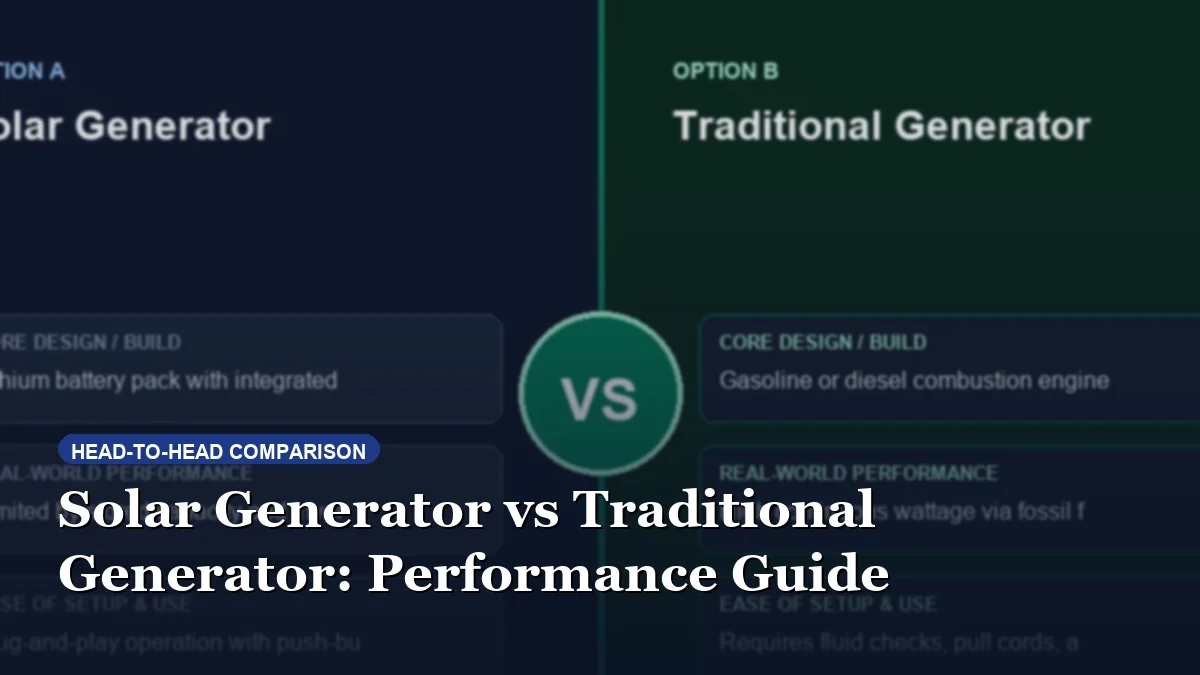
Choose the solar generator for silent indoor operation and zero fuel handling. Select the traditional generator for continuous heavy loads during prolonged grid outages.
Compare all top models in our Best Portable Power Station: Top Picks for 2026.
Side-by-Side Breakdown
| Criteria | Solar Generator | Traditional Generator | Edge |
|---|---|---|---|
| Core Design / Build | Lithium battery pack with integrated inverter | Gasoline or diesel combustion engine | Solar Generator |
| Real-World Performance | Limited by stored capacity and inverter limits | High continuous wattage via fossil fuel | Traditional Generator |
| Ease of Setup & Use | Plug-and-play operation with push-button start | Requires fluid checks, pull cords, and choking | Solar Generator |
| Durability & Reliability | Solid-state electronics with minimal moving parts | Mechanical engines requiring frequent servicing | Solar Generator |
| Efficiency / Operating Footprint | Zero direct emissions and silent standby | High carbon output with loud exhaust noise | Solar Generator |
| Maintenance Requirements | Occasional firmware updates and battery cycling | Regular oil changes, spark plugs, and fuel stabilizer | Solar Generator |
| Best Ideal Use Case | Indoor emergency backup and recreational camping | Job sites and multi-day grid failures | Traditional Generator |
Power System Architecture and Engineering Design
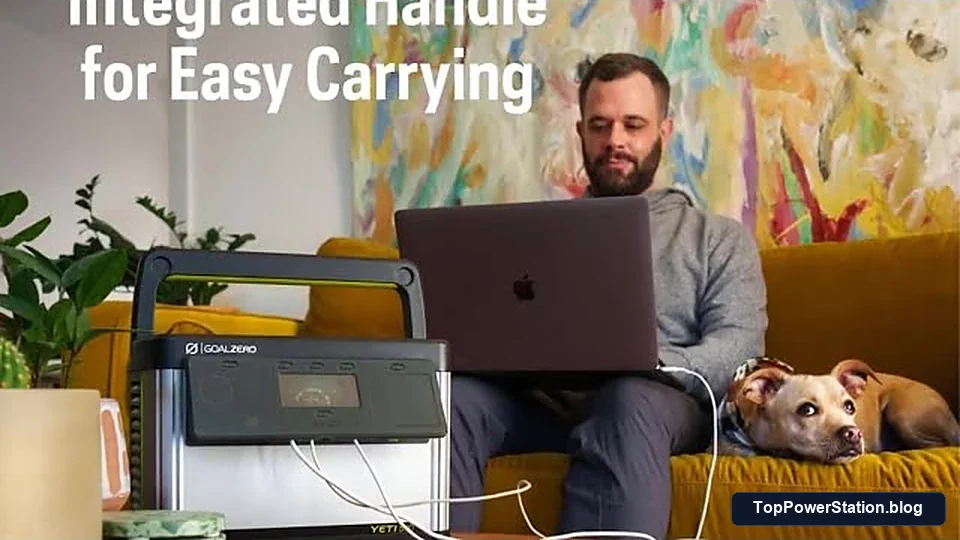
Modern portable power stations rely on advanced lithium chemistry to store electrical energy safely. Reviewing the best portable solar power generator models helps buyers compare integrated battery management systems, charge controllers, and pure sine wave inverters.
Traditional combustion units utilize internal combustion engines coupled with alternators to generate electricity on demand. This mechanical design converts chemical fuel energy directly into alternating current electrical output through physical rotation.
Engineering differences dictate how each system interacts with sensitive electronics. Solid-state lithium architectures deliver clean power without voltage spikes, protecting modern computers and medical devices from electrical damage.
- Lithium iron phosphate and nickel manganese cobalt battery chemistries
- Pure sine wave inverters producing less than three percent total harmonic distortion
- Internal combustion engines requiring mechanical fuel-to-electricity conversion
Chemical Energy Storage Versus Combustion Engines
Battery-based systems store electrical energy chemically inside sealed cells until discharge occurs. This allows instant power delivery without noise, heat, or dangerous carbon monoxide exhaust emissions.
Combustion generators consume liquid fuel continuously to maintain electrical output across connected appliance circuits. Operating these machines requires constant fuel management and strict adherence to outdoor ventilation safety rules.
- Instantaneous electrical discharge via stored chemical potential
- Continuous fuel combustion generating mechanical torque and electrical current
Getting Started With Renewable Energy Deployment
Deploying a renewable power station requires minimal effort compared to traditional fuel-burning alternatives. Users simply position the compact chassis indoors, connect compatible photovoltaic panels outdoors, and activate the master power switch.
Initial configuration involves understanding maximum solar array input limits and voltage specifications. Selecting a reliable unit from our best solar power generator for home guide prevents dangerous overvoltage conditions during peak sunlight hours.
- Simple indoor placement with zero ventilation requirements
- Straightforward photovoltaic panel connection via standard weather-resistant cables
- Automated solar tracking and maximum power point tracking optimization
Initial Setup and Panel Placement
Optimal solar generation depends heavily on direct sunlight exposure and precise panel angle adjustments. Users must position photovoltaic arrays facing southward to maximize daily energy harvest efficiency.
Shading from trees or architectural structures can drastically reduce total system input wattage. Careful site selection ensures your portable power station recharges fully during peak daylight hours.
- Optimal southward orientation for maximum photovoltaic energy capture
- Regular manual adjustments to track seasonal sun angle changes
Real-World Performance and Load Capacities
Evaluating real-world performance requires examining both continuous wattage ratings and maximum surge thresholds. Solar generators excel at powering sensitive electronics, refrigerators, and medical devices during short power interruptions.
Traditional fossil fuel engines provide superior continuous wattage output for heavy-duty power tools and central air conditioning systems. These machines maintain steady performance as long as fresh fuel remains available in the tank.
Capacity limitations constrain how long battery stations can run high-draw appliances without recharging. Matching your daily watt-hour consumption to the proper battery capacity prevents unexpected power interruptions.
- Continuous inverter wattage limits based on internal component sizing
- Surge capacity handles motor startup currents for household appliances
- Fuel availability dictates total run time for combustion generators
Continuous Output Versus Surge Ratings
Electrical loads often demand higher power spikes during initial motor startup sequences than during steady operation. Both system types feature surge ratings to handle these temporary electrical demands safely.
Exceeding inverter surge limits triggers automatic overload protection shutdowns on battery stations. Traditional engines may bog down momentarily but can often push through temporary mechanical resistance loads.
- Initial inductive motor startup draws up to three times running wattage
- Automatic overload protection prevents permanent inverter component damage
Success Stories and Emergency Reliability
Emergency preparedness success stories frequently highlight the dependability of silent renewable power stations. Homeowners appreciate maintaining critical communication devices and refrigeration without dealing with gasoline cans or loud exhaust.
Prolonged grid failures lasting multiple days test the limits of battery-only backup solutions. Without adequate sunlight to recharge depleted cells, users must rely on vehicle charging or backup generators.
- Reliable emergency power during unexpected short-term electrical grid failures
- Seamless automatic transfer switch integration for uninterrupted appliance operation
- Extended multi-day outage resilience requiring supplemental solar generation
Grid-Down Scenarios and Weather Resilience
Severe weather storms often disrupt electrical infrastructure while simultaneously blocking sunlight with heavy cloud cover. Choosing the right best solar powered generator helps mitigate these environmental challenges during extended regional blackouts.
Combustion generators provide reliable electricity regardless of weather conditions provided fuel supplies remain accessible. Maintaining stored fuel safely requires chemical stabilizers and secure metal storage containers.
- Heavy overcast skies significantly reduce photovoltaic recharging efficiency
- Independent fuel combustion functions reliably during severe storms
Maintenance Protocols and Component Longevity
Solid-state electrical systems require virtually zero routine mechanical maintenance throughout their operational lifespan. Owners simply need to cycle internal lithium batteries periodically and keep cooling vents free from accumulated dust.
Combustion engines demand rigorous maintenance schedules including oil changes, spark plug replacements, and air filter cleanings. Neglecting these mechanical upkeep tasks leads to hard starting conditions and premature engine failure.
Battery degradation occurs naturally over thousands of charge and discharge cycles. Modern lithium iron phosphate cells retain high storage capacity for a decade or more of regular residential use.
- Zero oil changes or carburetor cleaning required for battery stations
- Routine firmware updates optimizing battery management system performance
- Scheduled engine maintenance including oil and filter replacements
Servicing Internal Batteries and Engine Parts
Internal battery health monitoring relies on sophisticated software algorithms tracking temperature and voltage. Users can view state-of-health metrics directly on digital display screens or smartphone companion applications.
Mechanical engine upkeep requires handling chemical fluids, oily filters, and dirty spark plugs. Proper disposal of used motor oil and old fuel is essential for environmental safety.
- Digital battery management system tracking individual cell voltages
- Mechanical servicing involving oil disposal and filter replacement
Environmental Footprint and Operating Environment
Renewable energy systems produce zero direct greenhouse gas emissions during everyday operation. This clean performance profile allows safe indoor placement in bedrooms, living rooms, and small apartments.
Fossil fuel generators emit toxic carbon monoxide, nitrogen oxides, and unburned hydrocarbons directly into the atmosphere. Operating these loud machines requires strict outdoor placement far away from open windows and doors.
Acoustic noise pollution represents another major operational difference between these two power sources. Battery stations operate in complete silence while combustion engines produce disruptive decibel levels.
- Zero carbon emissions during electrical generation and storage
- Silent operation enabling convenient indoor deployment
- High decibel noise output requiring remote outdoor placement
Indoor Safety and Carbon Emissions
Running a combustion generator inside an enclosed space creates a fatal carbon monoxide hazard. Users must install battery-operated carbon monoxide detectors whenever operating fuel-burning equipment near living spaces.
Lithium power stations eliminate poisoning risks entirely, making them ideal for urban dwellers and campers. Their compact dimensions fit neatly into small closets or vehicle trunks without taking up excessive space.
- Fatal carbon monoxide risks associated with indoor combustion engine use
- Safe indoor chemical storage without toxic exhaust or fuel vapors
Regional Support and Infrastructure Integration
Regional technical support networks vary significantly between consumer electronics and small engine equipment. Solar power manufacturers offer digital troubleshooting, firmware updates, and modular component replacements through customer service portals.
Traditional generators rely on local small engine repair shops for mechanical part sourcing and physical servicing. Finding certified technicians for specialized engine brands can prove difficult in certain rural or suburban regions.
Integrating backup power systems into residential electrical panels requires professional expertise. Many homeowners evaluate our best solar generator for home backup options to ensure safe integration via licensed electricians.
- Digital customer support and modular warranty replacement services
- Local small engine repair shops handling mechanical servicing needs
- Professional electrical installation required for permanent home transfer switches
Local Service Networks and Warranty Support
Warranty claims for lithium power stations typically involve shipping modular units to regional repair depots. Manufacturers focus on replacing complete assemblies rather than repairing individual internal circuit boards.
Local mechanics can quickly service traditional engines by swapping carburetors, fuel lines, and spark plugs locally. This widespread service network appeals to users who prefer hands-on mechanical repairs.
- Factory-direct warranty support utilizing regional repair depots
- Local hardware and engine repair shops stocking common replacement parts
Frequently Asked Questions
Can a solar generator run my entire house during an emergency?
Most standard units can power critical circuits like refrigerators and lights, but whole-home backup requires large high-capacity expandable systems.
How long do solar generators last compared to traditional gas generators?
Solar systems often last over a decade with minimal degradation, whereas gas engines require frequent mechanical maintenance and replacement parts.
Is it safe to run a solar power station inside my bedroom?
Yes, because they produce zero toxic exhaust emissions and operate in complete silence, making them ideal for indoor use.
What happens to solar generator charging efficiency on cloudy days?
Photovoltaic panel output drops significantly during heavy overcast weather, requiring supplemental grid or vehicle charging to maintain battery levels.
Do traditional generators require special fuel storage precautions?
Yes, gasoline must be treated with chemical stabilizers and stored in approved containers to prevent harmful fuel degradation and engine clogs.