Off Grid Inverter vs Portable Power Station Comparison
Choosing between a hardwired inverter setup and an all-in-one generator impacts your off-grid reliability. Proper load calculations determine which architecture suits your specific energy demands.

Choose an off-grid inverter for permanent, scalable cabin systems requiring heavy surge capacity. Opt for a portable power station when rapid deployment and integrated battery storage matter most.
Compare all top models in our Best Portable Power Station: Top Picks for 2026.
Side-by-Side Breakdown
| Criteria | Off Grid Inverter | Portable Power Station | Edge |
|---|---|---|---|
| Core Design / Build | Standalone DC-to-AC conversion unit requiring external battery banks. | All-in-one chassis integrating batteries, charge controller, and inverter. | Portable Power Station |
| Real-World Performance | High continuous output with massive inductive motor surge headroom. | Protected output limits designed to safeguard internal lithium cells. | Off Grid Inverter |
| Ease of Setup & Use | Complex wiring, professional permitting, and fuse box installation. | Instant plug-and-play operation straight out of the box. | Portable Power Station |
| Durability & Reliability | Serviceable components built for harsh, permanent homestead utility rooms. | Sealed polymer casing protecting sensitive internal electronics from dust. | Off Grid Inverter |
| Efficiency / Operating Footprint | Higher standby power draw from external battery bank cabling. | Optimized DC conversion circuits with intelligent sleep modes. | Portable Power Station |
| Maintenance Requirements | Component-level repairs including fuse and cooling fan replacements. | Minimal maintenance but difficult service outside official centers. | Off Grid Inverter |
| Best Ideal Use Case | Remote cabins and permanent homesteads with heavy appliance loads. | Emergency home backup, mobile work sites, and recreational camping. | Tie |
Core Architecture and Design Differences
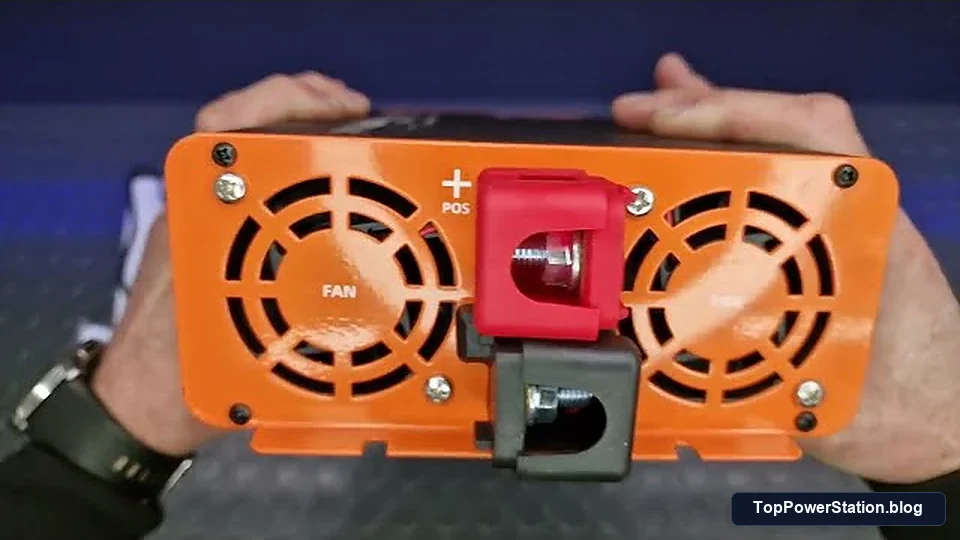
Off-grid inverters function as standalone DC-to-AC power conversion units that require external battery banks. Modular wiring topologies allow system expansion but demand precise electrical engineering knowledge during initial setup phases.
Models featured in our best portable power station guide integrate lithium batteries, charge controllers, and pure sine wave inverters inside a single chassis to eliminate complex cabling for users seeking plug-and-play simplicity.
Traditional off-grid inverters integrate complex transformers and MOSFET switching arrays to convert direct current into alternating current. These fixed systems require separate battery banks and charge controllers housed inside a dedicated enclosure.
Conversely, portable power stations utilize an all-in-one chassis that integrates the inverter, lithium chemistry cells, and MPPT solar regulators. This consolidated design minimizes exposed cabling while optimizing internal thermal management for high ambient temperatures.
- External battery banks provide scalable amp-hour capacity.
- Integrated BMS units protect internal lithium cells from faults.
- Dedicated inverter units handle continuous high-wattage loads efficiently.
Component Integration Versus Modularity
Modular inverter systems let you replace individual failed components without discarding the entire power assembly. Component-level servicing reduces long-term operational expenses for permanent off-grid homestead installations.
Integrated power stations seal all sensitive electronics within a protective housing to maximize portability. Factory-calibrated safety safeguards prevent user error during high-drain appliance operation in remote locations.
- Modular setups allow component upgrades over time.
- Sealed units prevent dust and moisture intrusion.
Real-World Power Delivery and Surge Capacity
Permanent off-grid inverters typically deliver higher surge ratings to start heavy inductive motor loads. Continuous power delivery handles demanding household appliances like well pumps and large refrigerators effortlessly.
Units featured in our home backup power station picks feature strict inverter limits designed to protect internal battery chemistry and prevent damage from unexpected high-surge workshop tools.
Off-grid inverters excel at delivering massive continuous power outputs capable of handling heavy inductive motor loads from well pumps and large workshop tools without thermal throttling or voltage sag occurring across lines.
Portable power stations provide reliable peak surge capacities for starting sensitive electronics and kitchen appliances, but their internal current limiters may trip prematurely when powering heavily locked-rotor industrial compressor equipment under load.
- Inductive motor startup requires substantial surge headroom.
- Pure sine wave output protects sensitive electronics from damage.
Handling Heavy Inductive Loads
Well pumps and compressor motors demand massive initial current spikes that strain small power stations. Heavy-duty inverter transformers absorb these brief electrical surges without triggering emergency system shutdowns.
Power stations often throttle peak output to safeguard delicate internal lithium-ion battery management systems. Surge capacity ratings dictate whether your station can operate heavy-duty residential appliances successfully.
- Inverter transformers manage motor startup currents.
- Power stations prioritize battery longevity over surge peaks.
Installation Complexity and Deployment Speed
Installing a dedicated off-grid inverter requires professional electrical permitting, heavy gauge cabling, and fuse boxes. Permanent mounting locations demand secure physical anchoring within a well-ventilated utility room enclosure.
Portable power stations require zero permanent installation steps before providing immediate usable electricity. Grab-and-go handles enable instant deployment during emergency power outages or weekend camping excursions.
Installing a stationary off-grid inverter demands professional electrical expertise, secure wall mounting, heavy-gauge copper wiring, and strict adherence to National Electrical Code standards for safety, grounding, and overcurrent protection devices.
Power stations offer rapid deployment speeds by eliminating hardwired connections, allowing users to achieve instant plug-and-play operation straight out of the box without requiring complex permitting or permanent building structural modifications.
- Inverter setups require certified electrical installation knowledge.
- Power stations operate straight out of the shipping box.
Mobility and Field Usability Trade-Offs
Fixed inverter systems remain permanently anchored to your off-grid cabin wall or utility trailer. Weight distribution challenges prevent casual relocation once heavy battery banks are wired in place.
Compact power stations feature integrated carrying handles and rugged polymer casings for easy transportation. All-in-one mobility makes them ideal for mobile work sites and recreational vehicle travel.
- Fixed systems sacrifice mobility for permanent capacity.
- Integrated handles simplify transport across rugged terrain.
Energy Efficiency and System Expansion
Off-grid inverters often feature higher idle power consumption rates when running with no active loads. Standby power draw can slowly drain your large external battery bank over extended periods.
Modern power stations utilize advanced sleep modes to minimize unnecessary self-discharge during standby periods. Optimized DC conversion circuits maximize the usable watt-hours stored within the internal battery enclosure.
Stationary inverter systems allow seamless capacity expansion through modular battery additions, achieving high round-trip energy efficiency when paired with large-format lithium iron phosphate storage banks operating at nominal voltages.
Portable units usually feature proprietary expansion cables and locked battery ecosystem protocols, which limit third-party integration while maintaining optimal conversion efficiency across their built-in DC and AC output circuits.
- Idle consumption impacts long-term off-grid energy budgets.
- Expansion batteries scale capacity without replacing core units.
Scaling Capacity for Future Growth
Custom inverter banks allow you to add new lithium or lead-acid batteries as your needs grow. Scalable amp-hour capacity gives homesteaders ultimate flexibility when expanding solar array generation capabilities.
Portable stations are generally limited to proprietary expansion batteries sold by the original manufacturer. Ecosystem lock-in restricts your ability to mix third-party battery chemistries safely and effectively.
- Custom banks accommodate diverse battery chemistry additions.
- Proprietary expansion packs ensure seamless system communication.
Maintenance, Longevity, and Repairability
Off-grid inverters offer superior repairability since technicians can swap out blown fuses or cooling fans. Component-level maintenance extends the operational lifespan of your primary power conversion hardware significantly.
Portable power stations are largely sealed units that prove difficult to service outside official repair centers. Proprietary internal layouts mean minor component failures often require replacing the entire unit assembly.
Off-grid inverter systems support component-level repairability, enabling technicians to replace failed cooling fans, circuit boards, or individual MOSFET modules to extend total operating lifespan over many decades of continuous service.
Conversely, portable power stations utilize heavily glued and integrated internal assemblies, making component swaps difficult and necessitating complete factory service or recycling once the sealed lithium battery pack degrades.
- Replaceable internal fuses prevent catastrophic electronic failures.
- Sealed generator casings complicate DIY hardware repairs.
Managing Thermal Limits and Cooling
Large off-grid inverters utilize heavy aluminum heat sinks and external fans to dissipate operational heat. Thermal management efficiency prevents overheating during sustained high-wattage residential power usage scenarios.
Portable units must pack dense batteries and inverters into tight spaces requiring intelligent fan algorithms. Active cooling systems kick in automatically to protect internal cells from damaging thermal runaway conditions.
- Aluminum heat sinks dissipate continuous electrical loads.
- Internal fans prevent dangerous battery temperature spikes.
Cost-Efficiency and Long-Term Value
Purchasing discrete components like inverters, chargers, and batteries often reduces upfront equipment expenses. System customization lets you allocate budget toward components that match your exact power requirements.
All-in-one portable power stations command a premium price for engineering convenience and factory integration. Turnkey pricing bundles charging infrastructure and battery storage into a single convenient purchase order.
Initial financial outlays for stationary off-grid setups appear high due to separate component purchasing, yet they deliver superior long-term value through scalable architecture and easy individual hardware replacements over time.
Portable power stations reduce initial soft costs by bundling all components into one purchase, but exploring our off-grid cabin power station picks helps manage high replacement frequency during heavy daily use.
- Discrete components lower initial system construction costs.
- Turnkey solutions eliminate complex wiring accessory purchases.
Evaluating Total Cost of Ownership
Permanent inverter systems offer better long-term value because individual parts can be replaced. Extended equipment lifespans reduce the frequency of total system replacements over decades of homestead living.
Portable stations have finite battery cycles that eventually necessitate purchasing a brand new unit. Lithium degradation timelines dictate when your all-in-one generator reaches its practical end of life.
- Modular replacement parts lower lifetime operating expenses.
- Battery degradation limits portable station operational longevity.
Choosing the Right Power Architecture
Selecting the ideal setup depends on whether you need a permanent homestead or mobile power. Energy demand analysis prevents costly mistakes when purchasing off-grid electrical equipment for your property.
Evaluate your daily watt-hour consumption and peak surge requirements before committing to either technology. Professional load auditing ensures your chosen system operates safely without unexpected power interruptions.
Selecting the correct system requires careful load profiling, analyzing whether your application demands permanent whole-home backup capability or versatile mobile power access for outdoor recreation, mobile work, and temporary setups.
Evaluate your technical comfort level alongside budget constraints to choose between a customizable off-grid inverter architecture and the models featured in our best off grid power station roundup for your energy needs.
- Homesteads benefit from permanent inverter installations.
- Recreation and emergency response favor portable power stations.
Matching Equipment to Your Specific Environment
Remote cabins with heavy continuous loads demand the robust architecture of fixed inverters. Dedicated electrical rooms protect your hardwired conversion equipment from harsh weather and environmental debris.
Urban apartments and frequent travelers require the versatile convenience of portable power stations. Compact form factors allow easy storage in closets or vehicle trunks between emergency deployments.
- Fixed inverters suit permanent remote cabins.
- Power stations fit mobile lifestyles and emergency storage.
Frequently Asked Questions
Can I connect solar panels directly to an off-grid inverter without an external charge controller?
Traditional off-grid inverters typically require a separate solar charge controller to regulate photovoltaic panel voltage safely before electricity reaches your battery bank.
Without this crucial intermediate hardware device, uncontrolled high-voltage solar array output will severely damage your connected energy storage batteries and sensitive inverter electronics.
Are portable power stations safe to store inside a residential home during winter months?
Portable power stations feature advanced battery management systems that monitor internal cell temperatures to prevent hazardous charging during freezing weather conditions.
However, you should always store these units in a temperature-controlled space to preserve overall lithium battery capacity and extend usable service life.
Which system provides better protection against unexpected electrical surges during severe weather events?
Off-grid inverter systems connected to heavy-duty fuse panels and grounding rods offer superior surge absorption capabilities for permanent structures.
In contrast, portable power stations rely on internal digital circuit breakers that may trip instantly during severe lightning strikes or major grid fluctuations.
How difficult is it to replace a degraded battery inside a portable power station?
Replacing internal batteries inside a sealed portable power station requires specialized technical knowledge and proprietary replacement cells from the manufacturer.
Most everyday users must ship the entire heavy unit back to an authorized service center for expensive out-of-warranty battery refurbishment procedures.
Can I use an off-grid inverter to power sensitive medical equipment during a blackout?
High-quality pure sine wave off-grid inverters deliver exceptionally clean electrical current that safely operates sensitive home medical devices like continuous positive airway pressure machines during emergencies.
You must verify that your inverter maintains very low total harmonic distortion levels to prevent any electrical interference with delicate healthcare machinery.