Jackery Explorer vs Pro Comparison
Evaluating the foundational Jackery Explorer series against the advanced Pro generation. Discover which architecture meets your exact off-grid power demands.

Choose the classic Explorer for straightforward camping trips and budget reliability. Select the Pro variant if you require ultra-fast wall charging and advanced LiFePO4 battery longevity.
Compare all top models in our Best Portable Power Station: Top Picks for 2026.
Side-by-Side Breakdown
| Criteria | Jackery Explorer | Pro | Edge |
|---|---|---|---|
| Core Design / Build | Modular traditional layout with rugged plastic housing | Integrated folding handle with streamlined modern chassis | Pro |
| Real-World Performance | Reliable pure sine wave output for standard appliances | Higher surge overhead and sustained heavy inductive loads | Pro |
| Ease of Setup & Use | Straightforward plug-and-play interface with basic LCD | App connectivity and granular real-time power telemetry | Pro |
| Durability & Reliability | Proven track record using standard lithium-ion cells | Robust thermal management and industrial-grade internal wiring | Pro |
| Efficiency / Operating Footprint | Standard conversion efficiency with moderate idle draw | Optimized bidirectional inverter reducing energy waste | Pro |
| Maintenance Requirements | Requires periodic cycling and cool storage conditions | Minimal upkeep thanks to stable chemical composition | Pro |
| Best Ideal Use Case | Weekend campers needing simple device top-offs | Full-time overlanders and emergency home backup users | Pro |
Core Design & Engineering Differences
Examining the foundational architecture reveals distinct engineering priorities between these two lineups. The standard series focuses on proven reliability while the upgraded tier introduces modern thermal engineering.
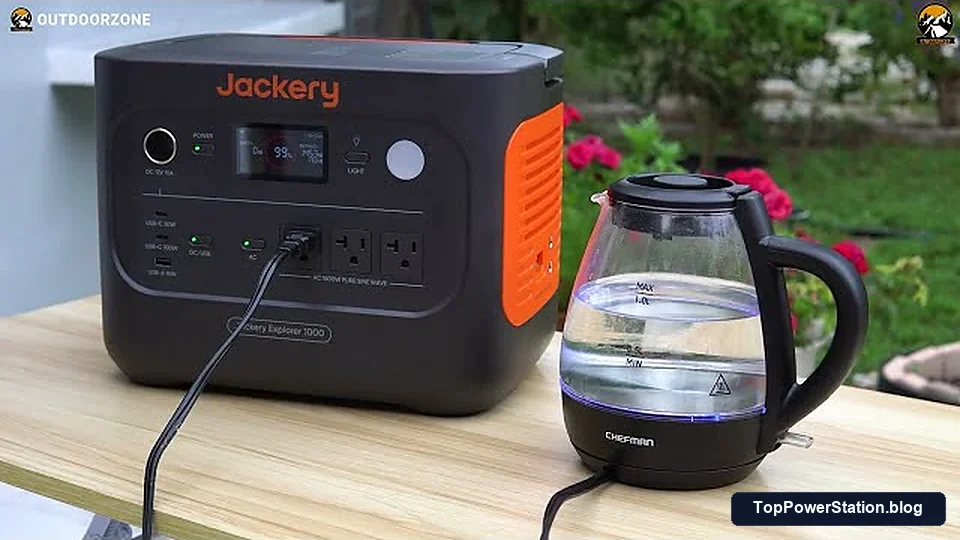
Manufacturers optimized the physical footprint for diverse user environments. Engineers integrated enhanced cooling channels directly into the housing to prevent thermal throttling during heavy loads.
Standard Explorer units utilize traditional NMC lithium-ion cells inside rugged ABS shells. Furthermore, our Jackery Explorer 2000 v2 review highlights how Pro editions introduce advanced LiFePO4 chemistry for efficiency.
Thermal management systems also diverge significantly between these lineups. Pro models employ dual cooling fans alongside smart BMS architecture to dissipate heat rapidly during high-draw operations, while standard models rely on passive cooling vents.
- Chassis material composition and impact resistance ratings
- Internal layout optimization for better heat dissipation
- Placement of cooling fans and passive ventilation grilles
Chassis Construction and Materials
The standard architecture utilizes high-density polymers designed for casual outdoor excursions. Conversely, the upgraded line incorporates reinforced structural ribs to withstand severe transport vibrations.
Weight distribution differs significantly across both variants. The modern engineering approach places heavy internal components lower to improve overall physical stability during transit.
- Impact-resistant polymer blending techniques
- Lower center of gravity for vehicle mounting
Real-World Performance & Inverter Capacity
Delivering consistent alternating current requires robust pure sine wave inverters. Both models supply clean electricity, but their sustained load handling capabilities diverge during heavy use.
Operating sensitive electronics demands low total harmonic distortion. As noted in our Jackery Explorer 300 review, these compact power stations maintain strict voltage regulation near maximum wattage limits.
Standard Jackery units feature modified sine wave or basic pure sine wave inverters rated for standard surge thresholds. Pro variants upgrade to robust pure sine wave inverters delivering cleaner current ideal for sensitive medical devices and laptops.
Continuous output wattages vary noticeably under heavy continuous loads. While standard models might throttle output when approaching thermal limits, Pro units maintain rated continuous wattage steadily without dropping voltage across multiple concurrent AC connections.
- Continuous wattage output versus peak surge thresholds
- Total harmonic distortion metrics for sensitive medical gear
- Behavior under inductive motor loads like mini-fridges
Surge Handling and Heavy Loads
Handling motor startup surges is critical for off-grid refrigeration units. The upgraded Pro architecture excels by absorbing transient power spikes without tripping internal overload protection.
Standard units may experience voltage sags when powering high-draw heating elements. Users must evaluate their specific appliance running requirements before connecting heavy-duty machinery.
- Transient response times during compressor startup
- Overload shutdown behavior and automatic recovery
Charging Speeds & Input Architecture
Power replenishment speed remains a major differentiator for extended off-grid expeditions. Modern high-tier stations incorporate advanced high-voltage solar controllers to dramatically reduce downtime.
Wall charging speeds also vary based on internal power supply configurations. Users can bypass bulky charging bricks entirely on newer models using direct AC cords.
Standard Explorers rely on conventional wall bricks and slower DC charging circuits that require many hours for a full replenishment. Pro series units incorporate ultra-fast solar input ports supporting high-voltage panels for rapid off-grid charging times.
Wall charging speeds highlight a generational shift in power conversion. As detailed in our Jackery Explorer 3000 Pro review, pro models feature built-in AC adapters bypassing heavy external power supply units.
- Maximum solar panel input voltage and amperage limits
- AC wall outlet rapid recharge durations from empty
- Vehicle auxiliary port charging efficiency and wattage
Solar Array Integration & MPPT Efficiency
Maximum Power Point Tracking algorithms maximize energy harvesting from connected solar panels. Advanced units feature wider voltage windows to string multiple panels together efficiently.
Lower-tier models often restrict total solar wattage input through stricter voltage ceilings. This limitation requires careful panel configuration to avoid damaging the internal charge controller.
- Wide operational voltage ranges for series connections
- Low-light tracking sensitivity during overcast weather
Battery Chemistry, Efficiency & Longevity
Internal battery chemistry dictates both lifespan and overall unit weight. Older architectures rely on traditional lithium-ion cells while newer variants adopt ultra-durable LiFePO4 technology.
Cycle life expectations change dramatically between these two chemical compositions. Premium cells deliver thousands of operational cycles before capacity drops below acceptable retention thresholds.
Battery longevity represents one of the most vital upgrades across these two distinct product families. Standard lithium-ion setups offer roughly 500 charge cycles before dropping below eighty percent of their original factory capacity ratings.
Pro versions utilize advanced lithium iron phosphate cells that easily achieve 2000 life cycles while maintaining exceptional chemical stability. This major shift dramatically lowers the long-term cost per use for frequent outdoor enthusiasts and campers.
- Total expected charge cycles to eighty percent capacity
- Thermal stability under high ambient temperature conditions
- Self-discharge rates during prolonged seasonal storage
Lifecycle Expectation and Degradation
Long-term degradation patterns directly impact the total value of your investment. Upgraded chemistry minimizes capacity fade over years of daily cycling and deep discharge routines.
Standard lithium cells degrade faster when exposed to elevated operating temperatures. Proper ventilation during high-draw operations helps mitigate premature chemical aging across both models.
- Calendar aging rates versus active cycle wear
- Impact of high-temperature operation on longevity
Portability, Ergonomics & Physical Build
Carrying a heavy power station requires thoughtful handle placement and balanced weight distribution. Designers have continuously refined grab points to reduce strain during transport.
Storage footprint inside vehicles or closets is another crucial consideration. Compact shapes allow for easier stacking alongside other emergency gear and camping equipment.
Physical dimensions and weight distributions differ noticeably when comparing identical capacity tiers between standard and pro editions. Pro units integrate collapsible handles to reduce vertical clearance requirements during transport inside packed vehicle trunks.
Ergonomic weight distribution prevents wrist strain during long manual carries across uneven campsites. Standard models feature fixed top handles that protrude upward, whereas Pro units adopt a flush, streamlined profile for superior packing efficiency.
- Handle folding mechanisms and rubberized grip textures
- Overall volumetric dimensions and trunk space efficiency
- Weight-to-capacity ratios across different power tiers
Handle Design and Vehicle Stacking
Fixed handles on traditional units consume extra vertical storage clearance. Modern variants feature fold-flat handles that create a flat top surface for stacking lightweight items.
Ergonomic handle angles reduce wrist fatigue when carrying heavy units across uneven terrain. Rubberized inserts prevent slipping during wet weather conditions at camp.
- Fold-flat handle mechanisms for vertical clearance
- Textured grip surfaces for wet-weather transport
Maintenance Requirements & Safety Standards
Keeping your equipment operational demands adherence to basic maintenance protocols. Modern battery management systems automate much of this protection without user intervention.
Safety certifications ensure reliable operation under strenuous environmental conditions. Internal sensors monitor cell temperatures constantly to prevent catastrophic thermal runaway events.
Maintenance routines for both series remain relatively straightforward but demand adherence to basic safety standards. Users must store units at recommended ambient temperatures and execute preventative discharge cycles every three months during storage periods.
Safety certifications also distinguish modern Pro hardware from older standard builds. Pro models incorporate comprehensive UL safety certifications along with enhanced over-voltage protection circuits to safeguard connected appliances from unexpected power surges.
- Battery management system protection feature sets
- Firmware update procedures via mobile applications
- Recommended storage charge levels during off-seasons
BMS Protections and Self-Diagnostics
Comprehensive electronic safeguards protect against short circuits, overcurrent, and deep discharge. Advanced telemetry provides instant alerts if any operational parameter exceeds safe thresholds.
Routine maintenance involves keeping ventilation ports clear of dust and debris. Storing the unit at a moderate charge state preserves chemical health during extended periods of inactivity.
- Short-circuit and reverse polarity protection measures
- Automated diagnostic error codes on LCD screens
Which Option Fits Your Setup
Selecting the correct power station depends entirely on your specific lifestyle demands. Casual weekend campers rarely need the heavy-duty capacity found in professional-grade architecture.
Emergency home backup applications require maximum surge capability and fast recharging speeds. Assessing your daily kilowatt-hour usage guides you toward the appropriate performance tier.
Selecting the correct power station depends on your mobility requirements. For example, testing shows in our Jackery Explorer 1000 v2 review that casual campers find standard models adequate for charging small lights.
Conversely, digital nomads and emergency backup users should invest in Pro series hardware. The superior chemistry, faster recharge rates, and robust extended warranties justify the initial investment for heavy, everyday operational demands.
- Matching battery capacity to daily energy consumption
- Budget considerations versus long-term durability value
- Portability needs for hiking versus vehicle overlanding
Matching Power to Specific Use Cases
Weekend trips focusing on phones and lighting benefit from lightweight, traditional units. Full-time off-grid travelers require advanced solar input speeds and long-lasting LiFePO4 chemistry.
Evaluate your heaviest appliance before making a final purchasing decision. Ensuring adequate surge headroom prevents frustrating power interruptions during critical off-grid tasks.
- Recreational camping versus emergency home preparedness
- Appliance wattage auditing and peak load planning
Frequently Asked Questions
What is the primary technical difference between these two lineups?
The main distinction lies in their internal battery chemistry and charging architecture. Upgraded models feature advanced LiFePO4 cells for superior longevity alongside ultra-fast wall recharging capabilities.
Can I use my older solar panels with the newer Pro power stations?
Yes, provided you verify that the open-circuit voltage matches the specifications of the newer charge controller. Always check connector types and maximum voltage limits before establishing any physical connections.
How do these units perform in freezing winter weather conditions?
Cold weather significantly impacts lithium battery performance and charging safety limits. Modern internal thermal management systems help protect cells, but you should always store units in insulated areas.
Do these portable power stations require regular active maintenance?
They require minimal upkeep thanks to automated battery management systems protecting internal cells. Simply keep ventilation ports clean and store the station at partial charge during extended periods of inactivity.
Which model is better suited for emergency home backup scenarios?
The upgraded variant is vastly superior for home backup due to its rapid recharge speeds. Higher surge capacity and extended battery cycle life ensure reliable performance during unexpected grid outages.