High Capacity vs Ultra Lightweight Power Station
Choosing between massive backup reserves and extreme portability defines modern energy independence. Understanding your exact wattage requirements ensures optimal power deployment during emergencies.

Choose high capacity units for whole-home resilience, while ultra lightweight models excel at rapid emergency mobility. Match your specific daily power demands directly to battery chemistry and physical footprint.
Compare all top models in our Best Portable Power Station: Top Picks for 2026.
Side-by-Side Breakdown
| Criteria | High Capacity | Ultra Lightweight Power Station | Edge |
|---|---|---|---|
| Core Design / Build | Heavy-duty chassis with robust cooling frames | Compact molded plastic with integrated handles | Side B for Mobility |
| Real-World Performance | Sustains high-wattage heavy appliances effortlessly | Powers small electronics and critical devices | Side A for Output |
| Ease of Setup & Use | Stationary deployment requiring dedicated space | Grab-and-go operation for instant deployment | Side B for Simplicity |
| Durability & Reliability | Engineered for heavy stationary cycling | Built for rugged outdoor travel impacts | Tie |
| Efficiency / Operating Footprint | Higher idle draw due to larger inverters | Minimal idle loss with optimized circuitry | Side B for Efficiency |
| Maintenance Requirements | Regular firmware updates and terminal checks | Minimal upkeep with basic charging cycles | Side B for Low Maintenance |
| Best Ideal Use Case | Home backup and off-grid cabin living | Day trips, remote work, and emergency kits | Split by Application |
Core Architectural and Engineering Differences
Engineering high capacity power stations demands massive internal space for dense battery arrays. These heavy systems utilize thick steel frames to support large inverter modules and complex thermal management systems safely.
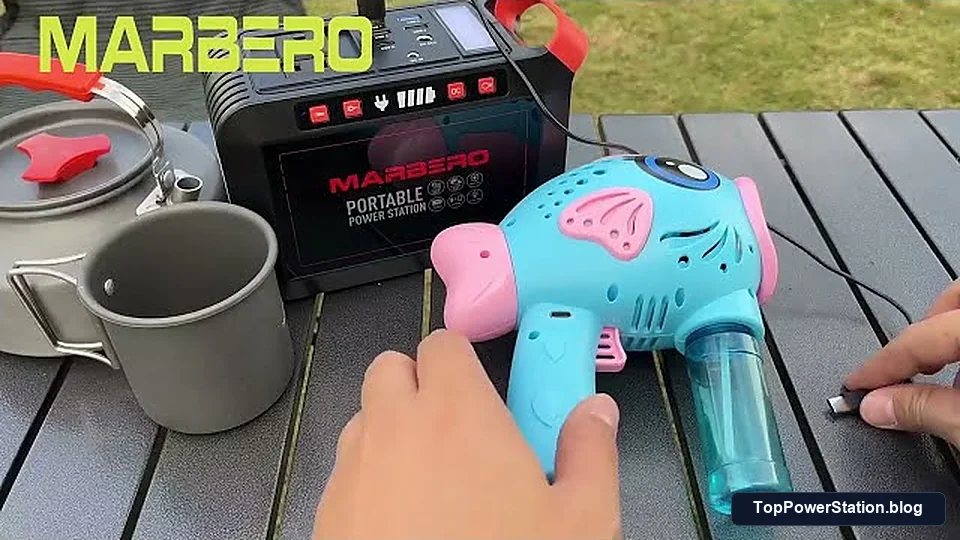
Conversely, finding the best portable power station for camping means prioritizing minimalist internal layouts. Engineers strip away non-essential housing components to reduce dead weight and physical dimensions.
High capacity units utilize complex inverter topologies and massive LiFePO4 cell arrays housed in steel-reinforced chassis. These heavy builds prioritize structural rigidity to support internal components exceeding fifty pounds securely.
Ultra lightweight models favor minimalist inverter designs and dense pouch cells wrapped in lightweight polycarbonate shells. This architecture drastically reduces total footprint while sacrificing extreme continuous output capabilities for enhanced portability.
- High capacity units integrate heavy-duty multi-layer lithium cell packs.
- Ultra lightweight models employ streamlined single-layer circuit boards.
- Casing materials shift from reinforced metal to lightweight engineering polymers.
Internal Inverter and Circuitry Design
Heavy systems feature large pure sine wave inverters capable of handling massive surge loads. These robust components generate substantial heat requiring active internal cooling fans.
Lightweight alternatives rely on compact high-frequency inverters. While efficient, these smaller circuits trade away extreme peak surge capacity to save vital internal space.
- Low-frequency transformers vs high-frequency switching boards.
- Advanced digital signal processors manage complex multi-voltage outputs.
Real-World Performance and Power Delivery
Deploying a high capacity generator allows simultaneous operation of heavy household appliances. Users can run refrigerators, medical devices, and power tools concurrently without risking sudden system overload shutdowns.
Lightweight stations target mobile professionals and casual outdoor enthusiasts. They successfully power laptops, smartphones, and LED lighting rigs while maintaining remarkably compact storage footprints.
Heavy-duty power stations maintain high continuous wattage thresholds, easily driving 2000W resistive loads like microwave ovens or circular saws. Their robust pure sine wave inverters prevent harmonic distortion during extended operational cycles.
Compact lightweight alternatives typically cap continuous output around 300W to 500W, restricting users to charging laptops and running small LED lights. Overloading these delicate circuits triggers instant thermal shutdown protocols.
- High capacity systems sustain continuous loads exceeding two thousand watts.
- Lightweight units generally cap continuous output near three to five hundred watts.
- Surge headroom varies dramatically between these two distinct equipment categories.
Sustained Output Under Heavy Load
Heavy units maintain stable voltage profiles even when drawing maximum rated wattage continuously. This stability protects sensitive compressor motors from erratic power fluctuations during extended outages.
Lightweight units experience faster voltage sag under aggressive, sustained high-wattage draws. Their smaller internal cells cannot deliver massive current bursts without triggering thermal protections.
- Voltage stability curves during compressor startup phases.
- Thermal throttling thresholds under continuous high-amp loads.
Thermal Management and System Efficiency
Managing heat dissipation in large battery banks requires sophisticated liquid cooling loops or multi-fan arrays. These cooling systems consume parasitic power, slightly lowering overall operational efficiency during extended runtime sessions.
Lightweight power stations utilize passive cooling designs paired with quiet, low-draw fans. Their smaller energy storage reserves generate localized heat that dissipates rapidly through molded polymer exterior vents.
Large capacity systems deploy dual variable-speed cooling fans and thick aluminum heat sinks to dissipate internal heat. Efficient thermal dissipation prevents localized hot spots within densely packed battery management systems.
Lightweight stations often rely on passive cooling or single low-profile micro-fans, limiting sustained high-draw performance. Without robust airflow channels, internal temperatures rise rapidly during maximum inverter load.
- Active cooling matrices with variable speed fan control.
- Passive aluminum heatsinks bonded directly to power MOSFETs.
- Parasitic idle draw differences between large and small inverters.
Inverter Conversion Efficiency Losses
Large capacity inverters suffer from slightly higher idle consumption rates when left turned on without active loads. This baseline energy draw slowly drains massive reserves over several days.
Miniaturized inverters on lightweight models boast exceptional low-load conversion efficiencies. They preserve stored energy much better when powering single, low-wattage devices like charging routers.
- Idle power consumption measured in watts per hour.
- Inverter conversion efficiency ratings at ten percent load.
Portability, Ergonomics and Field Deployment
Moving any best large capacity portable power station often requires wheeled carts or lifting techniques. Their substantial weight makes spontaneous relocation impractical during rapidly evolving emergency scenarios.
Lightweight generators redefine field mobility through single-hand ergonomic grips and balanced weight distributions. Users easily sling these compact power sources over shoulders or pack them into standard backpacks.
Transporting heavy high-capacity generators requires dual-person lifts or integrated telescoping handles with rugged wheels. Their high center of gravity demands careful placement on uneven terrain to prevent accidental tipping.
Ultra lightweight units feature single molded grip handles and backpack-friendly profiles designed for solo hikers. Deploying these units in tight spaces is effortless due to their minimalist physical dimensions.
- Integrated telescoping handles versus fixed molded strap grips.
- Total equipment weight differences exceeding forty pounds easily.
- Footprint geometry designed for vehicle trunk storage efficiency.
Ergonomic Handle and Chassis Integration
Heavy stationary units feature reinforced corner brackets and folding drop handles built for occasional repositioning. These structural additions prioritize maximum impact protection over carrying comfort.
Ultra lightweight designs incorporate seamless, soft-touch handles molded directly into the outer housing shell. This smooth integration eliminates snag points during quick extraction from cramped storage spaces.
- Drop-tested corner reinforcements on heavy enclosures.
- Rubberized grip inserts for secure one-handed transport.
Battery Chemistry and Long-Term Longevity
Modern high capacity systems predominantly utilize lithium iron phosphate chemistries to ensure thousands of deep discharge cycles. This robust chemical formulation supports intensive daily cycling without catastrophic capacity degradation.
Lightweight stations frequently balance energy density against cycle life by utilizing advanced nickel-rich ternary blends. These cells pack more power into smaller volumes while maintaining acceptable lifespan metrics.
High capacity builds predominantly leverage lithium iron phosphate chemistry, delivering over 3000 life cycles to eighty percent capacity. This chemical stability ensures dependable multi-decade service life under heavy daily utilization.
Lightweight units frequently utilize NMC lithium-ion cells to maximize energy density per pound. However, these chemistries typically degrade after 500 charge cycles, requiring earlier replacement under frequent cycling conditions.
- LiFePO4 chemistry delivering over three thousand full cycles.
- NMC chemistry prioritizing maximum energy density per pound.
- Advanced battery management systems balancing cell voltage health.
Cycle Life and Degradation Metrics
Heavy chemistry variants retain significant usable capacity even after a decade of regular use. Their thick electrode coatings resist chemical breakdown under heavy thermal stress conditions.
Lightweight alternative cells degrade slightly faster when subjected to repeated rapid charging protocols. Proper thermal management remains crucial for preserving long-term capacity in smaller packs.
- Capacity retention curves after two thousand charge cycles.
- Electrode degradation rates under rapid DC fast charging.
Maintenance Protocols and Safety Standards
Maintaining large power stations involves routine firmware updates, terminal inspections, and periodic equalization charges. Owners must also keep stationary storage areas well-ventilated to prevent ambient heat buildup.
Lightweight units demand virtually zero routine maintenance beyond regular recharging intervals. Their sealed polymer casings protect internal electronics from dust and moisture during rugged outdoor field deployments.
Large power stations demand rigorous bi-annual firmware updates and terminal inspections to maintain UL certification compliance. Users must routinely check heavy-gauge wiring harnesses for signs of micro-vibration loosening.
Lightweight power systems require minimal routine upkeep beyond storing them at a fifty percent charge in climate-controlled environments. Safety circuits continuously monitor short-circuit protection and over-voltage thresholds.
- Periodic firmware flashing for optimal battery management performance.
- Terminal cleaning protocols to prevent high-resistance contact points.
- IP rating classifications for outdoor environmental protection.
Firmware Updates and Diagnostic Diagnostics
Complex high capacity generators feature onboard diagnostic displays communicating detailed error codes. Users connect via companion mobile applications to monitor cell temperatures and adjust charging profiles remotely.
Simplified lightweight models use basic LED indicator bars to communicate remaining capacity. Their streamlined internal software rarely requires manual user intervention or over-the-air update procedures.
- Bluetooth and Wi-Fi connectivity for remote system telemetry.
- Simplified visual diagnostic LED blink code arrays.
Selecting the Ideal Power Station Setup
Choosing the right best portable power station depends entirely on your specific mobility needs versus energy volume requirements. Stationary homeowners facing extended grid failures benefit immensely from massive energy storage reserves.
Remote workers, campers, and emergency responders gain critical tactical advantages from ultra lightweight power stations. Matching your daily watt-hour consumption to the correct hardware tier ensures complete operational success.
Choosing a best portable power station for home backup requires evaluating heavy architectures for off-grid homesteading or emergency needs where grid independence matters most. Weight becomes secondary to massive energy reserves.
Select ultra lightweight options for mobile office work, weekend camping trips, or emergency communications kits where maximum portability is essential. Accept the lower capacity in exchange for effortless mobility.
- Evaluate total daily kilowatt-hour consumption before purchasing.
- Assess physical lifting limitations and transport vehicle space.
- Consider future expansion needs like solar panel array additions.
Matching Power Output to Daily Workflows
Analyze every appliance you intend to power simultaneously during a standard grid outage. High capacity stations prevent frustrating overload trips when operating heavy inductive motorized loads.
Prioritize lightweight systems if your primary goal involves keeping communication devices charged on the move. Their unmatched portability transforms difficult remote excursions into comfortable, connected experiences.
- Calculating startup surge wattage for motor-driven appliances.
- Estimating recharge times using portable solar panel kits.
Frequently Asked Questions
Can high capacity stations be transported easily in standard vehicles?
Transporting heavy systems requires dedicated cargo space and secure tie-down straps to prevent shifting during transit. For ultimate travel convenience, ultra lightweight power stations fit effortlessly into any standard vehicle floorboard.
Do ultra lightweight models support heavy kitchen appliances?
Most lightweight units lack the continuous wattage output required to run high-draw heating appliances safely. You should reserve high capacity generators for demanding tasks like operating refrigerators or coffee makers.
Which power station type offers a longer operational lifespan?
Heavy systems featuring lithium iron phosphate chemistry typically deliver superior long-term cycle durability. Proper maintenance ensures these robust energy reserves function reliably for well over a decade.
Are lightweight power stations suitable for emergency bug-out bags?
Their minimal physical footprint and extreme portability make lightweight models ideal for rapid evacuation scenarios. Selecting an easily transportable unit guarantees instant communication capability during sudden emergencies.
How do solar charging speeds compare between these two options?
Large capacity units accept higher solar array wattages for faster total replenishment times. Smaller lightweight models feature limited input controllers that match their compact internal battery capacity.