Goal Zero vs Gas Generator: Head-to-Head Power Guide
Choosing between battery storage and internal combustion requires analyzing runtime limits, fuel logistics, and environmental constraints. Modern emergency planning depends on matching your specific household demands with the right generation technology.

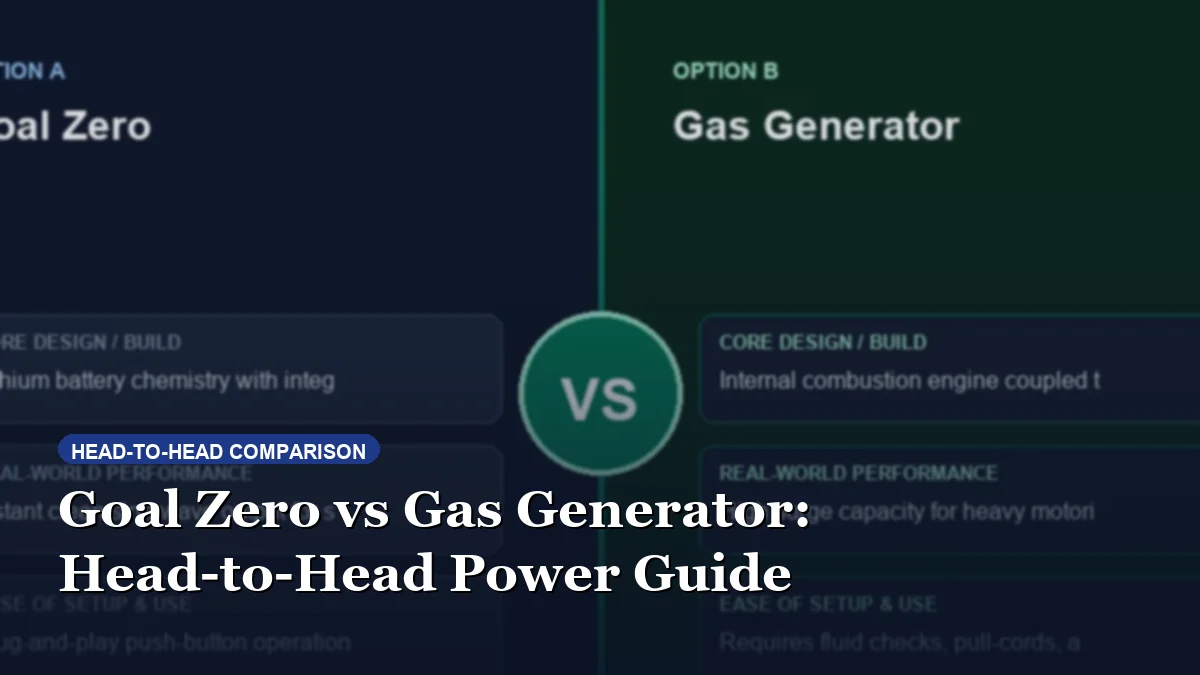
Choose Goal Zero for silent indoor operation and zero-emission solar recharging during extended grid outages. Select a gas generator when you need continuous heavy-duty appliance support and unlimited runtime via liquid fuel.
Compare all top models in our Best Portable Power Station: Top Picks for 2026.
Side-by-Side Breakdown
| Criteria | Goal Zero | Gas Generator | Edge |
|---|---|---|---|
| Core Design / Build | Lithium battery chemistry with integrated inverter systems | Internal combustion engine coupled to an alternator | Goal Zero |
| Real-World Performance | Instant clean sine wave output for sensitive electronics | High surge capacity for heavy motorized appliances | Gas Generator |
| Ease of Setup & Use | Plug-and-play push-button operation with zero preparation | Requires fluid checks, pull-cords, and proper ventilation | Goal Zero |
| Durability & Reliability | Solid-state electronics with minimal moving internal parts | Mechanical engine components requiring regular tune-ups | Goal Zero |
| Efficiency / Operating Footprint | Silent operation with zero direct toxic emissions | High noise levels and carbon monoxide exhaust output | Goal Zero |
| Maintenance Requirements | Occasional firmware updates and periodic deep cycle checks | Frequent oil changes, carburetor cleaning, and fuel stabilization | Goal Zero |
| Best Ideal Use Case | Indoor emergency backup, apartment living, and camping | Job sites, off-grid homesteads, and multi-day storms | Gas Generator |
Core Architectural Design and Power Generation Engineering
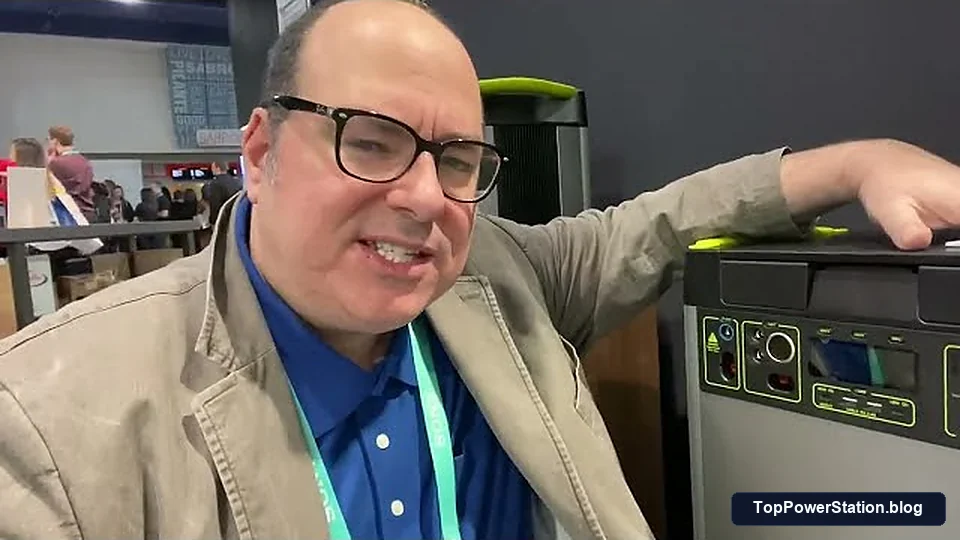
Comparing portable energy storage requires evaluating different engineering principles. For example, our Goal Zero Yeti 1500X review details advanced lithium-ion chemistry coupled with pure sine wave inverters.
Internal combustion alternatives rely on fossil fuels to spin an alternator. This mechanical process generates electricity through traditional electromagnetic induction, creating distinct operational profiles for users.
Understanding these foundational differences dictates how safely you can deploy each machine during an emergency. Battery architectures allow for indoor placement, whereas combustion engines require strict outdoor ventilation protocols.
- Solid-state lithium battery cells store chemical energy safely inside sealed enclosures.
- Gasoline engines convert liquid fuel combustion into mechanical rotational force.
- Pure sine wave inverters protect sensitive microprocessors from electrical harmonic distortion.
Inverter Technology and Power Quality
Clean electricity is mandatory for modern digital appliances and medical equipment. Pure sine wave outputs prevent overheating in sensitive device transformers during prolonged power failures.
Traditional combustion generators often produce dirtier waveforms unless equipped with expensive digital inverter modules. Poor power quality can gradually degrade the internal power supplies of computers.
- Harmonic distortion ratings remain exceptionally low on high-end battery stations.
- Inverter generators throttle engine speeds to match current electrical demand loads.
Real-World Performance Under Heavy Domestic Loads
Evaluating real-world capacity demands an honest assessment of peak versus continuous wattages. Continuous load ratings determine how many household appliances can run simultaneously without triggering safety shutdowns.
Battery systems offer incredible surge capabilities for short durations, though finite energy reserves dictate complete recharging needs. See our Goal Zero Yeti 700 review for exact capacity benchmarks.
Combustion units maintain continuous output as long as you maintain the fuel supply. This makes mechanical generators exceptionally capable of supporting high-draw legacy appliances like central air conditioning units.
- Battery capacity is measured directly in watt-hours of available reserve energy.
- Combustion output is limited primarily by engine displacement and fuel quality.
- Surge thresholds protect internal circuitry from sudden inductive motor startup spikes.
Handling Inductive Motor Surges
Refrigerators and well pumps require massive initial surges to start their electric motors. Starting wattage spikes can easily overwhelm smaller energy storage units during normal operation.
Fossil fuel engines easily absorb heavy inductive loads due to the sheer rotational inertia of their flywheels. Sizing your electrical backup must account for these demanding motor startup requirements.
- Motor compressors demand up to triple their running wattage during startup.
- Overload protections will immediately trip inverters exceeding maximum surge limits.
Fuel Logistics, Refueling Safety, and Operational Efficiency
Managing your energy source during a crisis introduces complex logistical challenges. Fuel logistics dictate whether you can easily maintain power during extended infrastructure failures spanning multiple weeks.
Battery systems eliminate liquid fuel storage hazards completely from your living space. They pair seamlessly with the best solar panels for Goal Zero Yeti units for silent emergency recharging.
Fossil fuel units demand safe outdoor storage of gasoline, oil additives, and fuel stabilizers. Handling volatile liquids during emergency conditions introduces severe fire risks and chemical exposure concerns.
- Solar panels provide indefinite recharging capability without relying on local fuel deliveries.
- Gasoline degrades rapidly over time, requiring chemical stabilizers to prevent varnish.
- Fuel storage mandates strict adherence to local fire codes and container ratings.
Renewable Integration Versus Liquid Reserves
Energy independence looks entirely different depending on your chosen technology platform. Solar recharging grants true off-grid resilience without storing dangerous petrochemicals near your home.
Combustion generators require constant trips to local gas stations during widespread outages. If regional fuel pumps lose electrical grid power, mechanical generators quickly become useless.
- Photovoltaic panels convert ambient sunlight directly into clean direct current electricity.
- Gasoline availability depends entirely on functional regional transportation infrastructure.
Acoustic Signatures and Environmental Operating Footprint
Noise pollution and exhaust emissions profoundly impact your comfort during emergency deployment. Acoustic signatures vary drastically between silent chemical storage and noisy internal combustion engines.
Battery stations operate with zero ambient noise beyond occasional cooling fan activation under heavy loads. This silent profile makes them ideal for tight neighborhood living and nighttime use.
Traditional combustion machines produce significant decibel levels that can violate local noise ordinances. Their toxic exhaust fumes also present lethal carbon monoxide hazards if placed near windows.
- Decibel ratings for batteries remain virtually unnoticeable during normal operation.
- Gas engines generate loud exhaust noise requiring specialized sound-dampening enclosures.
- Carbon monoxide detectors are mandatory safety accessories for combustion generator users.
Indoor Safety and Ventilation Requirements
Operating emergency equipment indoors requires absolute safety regarding toxic gas emissions. Carbon monoxide poisoning is a severe risk associated with any fossil fuel burning engine.
Battery power stations emit zero toxic gases, allowing safe indoor deployment. Read our Goal Zero Yeti 1000X review to understand how capacity metrics influence daily runtime expectations.
- Never operate internal combustion engines inside garages or enclosed spaces.
- Lithium batteries function safely indoors with proper passive thermal ventilation.
Long-Term Maintenance Protocols and Component Longevity
Protecting your equipment investment requires understanding routine upkeep and expected lifespans. Component longevity depends heavily on how diligently you perform scheduled maintenance tasks over the years.
Battery systems require very little active maintenance beyond periodic cycling and firmware checks. Lithium cells gradually lose capacity over thousands of charge cycles under normal usage conditions.
Mechanical engines demand rigorous adherence to oil change intervals, spark plug replacements, and carburetor maintenance. Neglecting these mechanical duties leads directly to hard starting or total failure.
- Lithium chemistry degrades slowly, retaining significant capacity after extensive cycling.
- Small engines require oil changes every hundred hours of active operation.
- Carburetor jets clog easily when old fuel sits stagnant in the float bowl.
Storage Preparation and Battery Health
Proper off-season storage prevents premature degradation of your emergency power equipment. Storage state of charge is critical for maintaining optimal lithium battery health during months of inactivity.
Gasoline engines require complete fuel system draining or heavy stabilizer dosing before storage. Failing to prep a combustion engine results in gummed-up carburetors and expensive repair bills.
- Store lithium power stations at moderate charge levels in climate-controlled spaces.
- Run gas engines dry of fuel before placing them into long-term storage.
Emergency Ergonomics and Deployment Preparedness
Rapid deployment during sudden blackstorms tests the physical ergonomics of your equipment. Emergency ergonomics dictate how easily family members can transport, lift, and connect backup systems.
Battery units feature integrated carrying handles, lightweight designs, and intuitive digital interface screens. Anyone in the household can easily activate the system and plug in vital devices.
Combustion machines are notoriously heavy, awkward to balance, and physically demanding to start. Pull-cords require significant upper body strength, though electric start models improve accessibility.
- Ergonomic grab handles make compact battery stations easy to carry indoors.
- Pull-start mechanisms can be frustratingly difficult to operate in cold weather.
- Digital display screens provide clear readouts of remaining runtime and output.
Portability and Weight Distribution
Weight management is a crucial factor when moving backup power across rugged terrain. Weight distribution in battery stations keeps the center of gravity low for stable transport.
Gas generators feature heavy steel frames, vibrating engines, and sloshing liquid fuel. This combination creates an unwieldy load that requires robust wheel kits for mobility.
- Compact lithium units integrate cleanly into standard vehicle cargo spaces.
- Wheel kits and folding handles are essential accessories for heavy gas units.
Comprehensive Setup Selection Matrix for Modern Users
Selecting the correct backup power solution depends on your unique residential situation. Buyer fit analysis ensures you invest in technology matching your actual emergency risk profile.
Urban apartment dwellers and frequent campers benefit immensely from silent, emission-free battery systems. These units handle short outages and sensitive electronics without disturbing neighbors.
Rural homeowners facing multi-week winter storms find greater utility in high-capacity combustion generators. Pairing fuel reserves with high continuous wattage ensures total home resilience.
- Assess your baseline daily kilowatt-hour consumption before purchasing equipment.
- Evaluate local noise ordinances and apartment association rules regarding backup power.
- Consider regional weather patterns and the typical duration of local grid failures.
Matching Power Capacity to Household Demands
Calculating precise energy needs prevents overloading your chosen backup generation system. Load calculation worksheets help identify essential medical devices, refrigeration, and communication tools.
Never purchase equipment based solely on marketing claims without verifying continuous ratings. Proper sizing guarantees reliable performance when your household needs it most.
- List every critical device along with its running and starting wattage.
- Account for simultaneous appliance usage to determine peak required capacity.
Frequently Asked Questions
Can a Goal Zero power station run a refrigerator during a blackout?
Yes, larger capacity battery units easily run standard refrigerators for several hours. High surge inverters handle initial compressor motor startups without tripping internal overloads.
How long do lithium power stations last compared to gas engines?
Lithium batteries typically deliver thousands of charge cycles before losing significant capacity. Solid-state design offers superior long-term reliability over high-maintenance mechanical engines.
Is it safe to store a gas generator inside my garage?
Storing the unit is safe if fuel tanks are empty and properly stabilized. Never run engines inside enclosed garages due to lethal carbon monoxide accumulation risks.
Can I recharge a Goal Zero station using portable solar panels?
Solar recharging is fully supported using compatible photovoltaic panels and charge controllers. Renewable energy provides indefinite off-grid power during extended grid outages.
Which option is more cost-effective for emergency home backup?
Gas generators offer lower upfront costs per watt for heavy continuous loads. Total value depends on your need for silent indoor operation versus long runtime.