Goal Zero vs EcoFlow: Technical Power Station Showdown
Goal Zero prioritizes rugged field durability for extended off-grid travel, whereas EcoFlow champions lightning-fast charging speeds for dynamic recreational lifestyles and modern summer road trips.

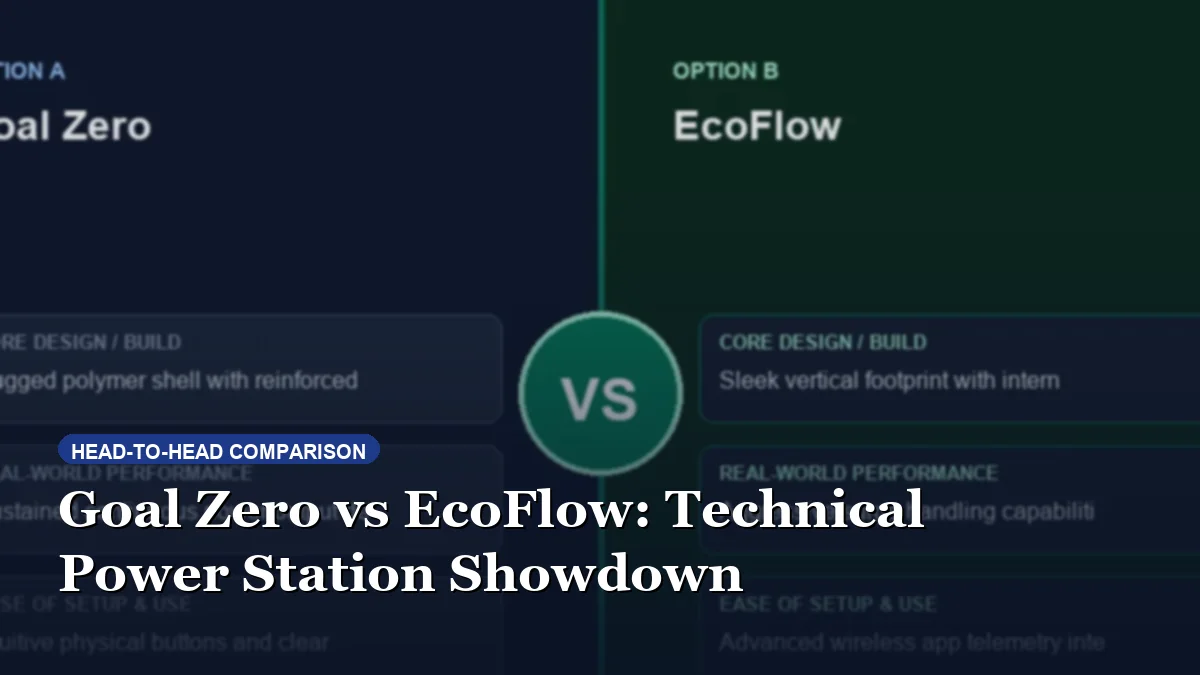
Choose Goal Zero if you demand rugged reliability for remote wilderness camping. Opt for EcoFlow if you prioritize rapid wall charging and advanced app controls during active summer vacations.
Compare all top models in our Best Portable Power Station: Top Picks for 2026.
Side-by-Side Breakdown
| Criteria | Goal Zero | EcoFlow | Edge |
|---|---|---|---|
| Core Design / Build | Rugged polymer shell with reinforced corners | Sleek vertical footprint with internal bracing | Goal Zero |
| Real-World Performance | Sustained continuous power output delivery | Aggressive surge handling capabilities | EcoFlow |
| Ease of Setup & Use | Intuitive physical buttons and clear displays | Advanced wireless app telemetry integration | EcoFlow |
| Durability & Reliability | Heavy-duty construction for overlanding | Optimized structural weight distribution | Goal Zero |
| Efficiency / Operating Footprint | Conservative charging for cell longevity | Rapid internal AC charging circuits | EcoFlow |
| Maintenance Requirements | Low-maintenance modular firmware updates | Routine filter cleaning and app syncs | Goal Zero |
| Best Ideal Use Case | Remote backcountry wilderness expeditions | Dynamic road trips and rapid turnarounds | EcoFlow |
Powering Summer Road Trips and Remote Vacation Getaways
Planning a rugged summer road trip requires dependable auxiliary power systems capable of running sensitive refrigeration units, medical devices, and communication gear across deeply isolated wilderness terrains without failure.
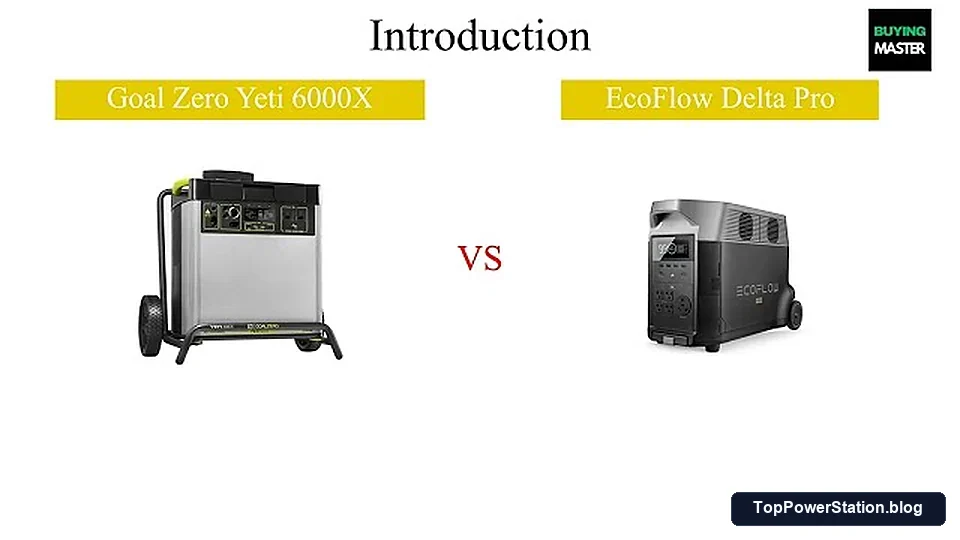
Whether you are escaping to a quiet forest cabin or embarking on an extended coastal camping excursion, portable generators must deliver consistent wattage under challenging environmental conditions and variable weather.
When outfitting a vehicle for extended summer camping, balancing auxiliary loads against available cargo volume is essential. Selecting a reliable lithium power station ensures continuous operation of refrigeration units and medical devices.
Both brands engineer their portable units to withstand bumpy unpaved forest roads and extreme cabin temperatures. Integrating robust vibration damping protects internal printed circuit boards while maintaining stable DC outputs for sensitive electronics.
- Dedicated 12V DC ports for portable compressor refrigerators.
- Weather-resistant seals for high-humidity coastal environments.
- Multi-device charging hubs for group travel setups.
- Always secure heavy portable power equipment using rated tie down straps inside vehicle trunks to prevent shifting during sudden braking maneuvers on rough terrain.
Managing Power on Remote Getaways
Remote wilderness excursions demand robust energy reserves paired with our recommended best solar panels for goal zero yeti, ensuring your electronic devices stay operational far beyond conventional electrical grids.
Advanced power stations eliminate generator noise and toxic emissions, allowing travelers to enjoy pristine natural surroundings while maintaining essential comforts during multi-day backcountry camping adventures.
- Zero-emission operation for enclosed tent spaces.
- Silent standby modes for overnight CPAP usage.
Architecture, Ergonomics, and Physical Build Standards
Industrial design heavily influences daily usability when hauling heavy energy storage units into remote campsites, rustic cabins, or densely packed vehicle trunks during peak summer holiday seasons.
Our goal zero yeti 1500x review details how ruggedized outer shells feature reinforced corners and heavy-duty handles designed to withstand the physical abuse typical of remote outdoor exploration.
Heavy duty exterior casings rely on flame retardant polymers and reinforced structural internal frames to absorb kinetic impacts. Ergonomic handles facilitate team carries for higher capacity models without stressing polycarbonate joints or mounting fasteners.
Effective thermal dissipation channels heat away from critical power electronic components during heavy continuous inverter loads. Integrated cooling fans operate intelligently based on internal temperature sensors to reduce unwanted acoustic noise.
- Impact-resistant polymer outer casing materials.
- Integrated tie-down points for secure vehicle transport.
- Inspect outer casing handles frequently for stress fractures caused by heavy lifting or accidental drops onto hard concrete surfaces during campsite setup operations and outdoor excursions.
Enclosure Materials and Weight Distribution
EcoFlow units focus on space-saving vertical footprints and integrated structural bracing, optimizing internal component placement to reduce overall weight without sacrificing structural integrity during transit.
Balanced handle placement on modern power stations significantly reduces wrist strain when lifting heavy battery assemblies into elevated truck beds or narrow storage compartments on boats.
- Optimized center of gravity for safe lifting.
- Scratch-resistant textured surface finishes.
Inverter Output Capacity and Surge Handling Profiles
Delivering stable alternating current requires sophisticated inverter technology capable of managing sensitive electronics alongside high-draw motor-driven appliances like blenders, power tools, and portable air conditioning units.
Both manufacturers implement robust pure sine wave outputs, ensuring clean electricity that prevents electrical interference or potential damage to delicate microprocessors inside modern laptop computers.
Pure sine wave inverters deliver stable alternating current that mimics household grid electricity safely. This clean power profile prevents inductive motor stalling and protects delicate microcontrollers inside modern refrigerator compressors.
Surge capacity determines how effectively a generator handles instantaneous startup current spikes from heavy motorized equipment. Advanced overload protection algorithms safely throttle the output rather than tripping the main circuit breaker.
- Clean pure sine wave AC output waveforms.
- Overload protection circuits with automatic resets.
- Verify total running wattage requirements of connected appliances before activating heavy inverter loads to prevent unexpected thermal overload shutdowns during critical emergency situations.
Continuous Load Versus Peak Surge Ratings
Understanding the difference between continuous running wattage and maximum surge capacity prevents unexpected system shutdowns when starting heavy motorized equipment during off-grid camping or emergency scenarios.
As outlined in our goal zero yeti 1000x review, EcoFlow typically provides aggressive surge handling while Goal Zero focuses on sustained, highly stable continuous power delivery for camping loads.
- High surge tolerance for induction motors.
- Sustained thermal stability under maximum loads.
Solar Input Parameters and Rapid Recharge Technologies
Harnessing renewable solar energy during remote summer vacations requires highly adaptable maximum power point tracking controllers that maximize energy harvest efficiency under shifting atmospheric and cloud conditions.
EcoFlow revolutionized the portable power industry by integrating high-amperage internal AC charging circuits that replenish large battery capacities from standard wall outlets in record-breaking operational times.
Maximum power point tracking charge controllers optimize incoming photovoltaic wattage across fluctuating cloud conditions. Matching panel voltage limits ensures safe array configurations without damaging internal DC DC converters.
AC wall charging circuits utilize rapid energy transfer protocols to replenish depleted battery banks in record time. Advanced current regulation prevents excessive thermal stress during fast grid recharging sessions using standard outlets.
- Advanced MPPT solar charge controller integration.
- Rapid AC wall recharging circuits without bulky adapters.
- Position external solar panels perpendicular to direct sunlight angles to maximize photovoltaic energy harvesting efficiency throughout long afternoon charging sessions in remote locations.
Off-Grid Energy Replenishment Speeds
When grid power is entirely unavailable, deploying high-output portable solar panels becomes essential for maintaining operational battery levels throughout extended wilderness stays and remote group expeditions.
Highlighting weather-resistant builds and durable arrays, our goal zero yeti 700 review evaluates solar panel options optimized for long-term outdoor deployment and variable field environments.
- Weatherproof monocrystalline solar panel construction.
- Daisy-chaining capabilities for expanded solar arrays.
Battery Chemistry, Longevity, and Thermal Management Systems
Modern portable power stations increasingly rely on lithium iron phosphate chemistry to deliver thousands of complete charge cycles before experiencing significant capacity degradation or internal resistance growth.
Effective thermal management relies on strategically positioned internal cooling fans and aluminum heat sinks designed to dissipate excess thermal energy during high-wattage charging and discharging operations.
Lithium iron phosphate chemistry provides exceptional cycle life compared to traditional nickel manganese cobalt alternatives. This stable molecular structure withstands thousands of complete charge cycles while maintaining high usable capacity.
Battery management systems continuously monitor individual cell voltages and temperatures to prevent hazardous thermal runaway events. Active balancing protocols maximize overall pack longevity by equalizing state of charge across connected cells.
- Long-lasting LiFePO4 internal battery cells.
- Intelligent thermal sensors preventing overheating risks.
- Avoid exposing lithium power stations to freezing ambient temperatures without proper thermal blankets to protect internal chemical compositions from permanent capacity loss.
Cycle Life and Cold-Weather Operational Safeguards
Operating lithium-based energy storage systems in freezing winter conditions requires automated low-temperature cutoff mechanisms to prevent permanent internal lithium plating and catastrophic battery failure risks.
Both brands incorporate sophisticated battery management systems that continuously monitor individual cell voltages, balancing internal loads to maximize overall operational safety and long-term hardware reliability.
- Low-temperature charging protection safeguards.
- Real-time cell balancing protocols.
Software Integration, App Control, and User Interfaces
Digital interfaces and wireless smartphone applications have transformed how users monitor energy consumption, adjust charging speeds, and diagnose system faults during complex off-grid camping and remote travel scenarios.
EcoFlow provides comprehensive Wi-Fi and Bluetooth connectivity, allowing remote management of input limits, AC output schedules, and firmware updates directly from a mobile device interface.
Bluetooth and Wi-Fi connectivity enable remote monitoring of input wattage and remaining runtime via mobile applications. Users can customize charging speeds and configure automated shutoff timers directly from their smartphones.
Onboard LCD screens display real time operational metrics including draw rates and fault code diagnostics clearly. Bright display backlights ensure readability under direct sunlight during outdoor usage scenarios and emergency power outages.
- Dedicated mobile apps with real-time telemetry.
- Bluetooth and Wi-Fi remote management options.
- Keep companion mobile applications updated to the latest software versions for improved device connectivity stability and enhanced remote diagnostic data reporting capabilities.
Onboard Display Readouts and Manual Controls
Clear LCD screens display crucial operational metrics including remaining runtime, input wattage, output draw, and active warning indicators without requiring users to reference digital smartphone applications.
Physical buttons with tactile feedback ensure reliable operation when wearing gloves or navigating dim lighting conditions around a remote backcountry campsite during late-night hours.
- High-contrast LCD screens with backlight illumination.
- Dedicated physical switches for individual output zones.
Maintenance Requirements and Long-Term Reliability
Proper maintenance ensures your portable power station remains reliable across years of recreational adventures, emergency backup deployments, and frequent transportation between home and remote camping destinations.
Keeping cooling vents clear of dust and storing units away from excessive moisture prevents premature hardware wear and protects sensitive internal electrical components from degradation.
Periodic firmware updates patch software vulnerabilities and optimize charging algorithms for better performance over time. Storing units at partial charge levels in climate controlled environments prevents premature chemical degradation.
Keeping ventilation ports free from dust and debris guarantees unobstructed airflow for internal cooling fans. Routine inspection of connection terminals prevents corrosion and maintains low electrical resistance during heavy current draws.
- Routine exterior cleaning with dry microfiber cloths.
- Periodic firmware updates via manufacturer applications.
- Perform semi annual capacity calibration cycles by fully discharging and recharging the battery pack to ensure accurate state of charge percentage readouts on screens.
Troubleshooting Common Operational Errors
Understanding basic error codes and reset procedures allows users to quickly resolve minor overloads or sensor faults without requiring professional service center intervention or warranty claims.
Keeping comprehensive user manuals accessible ensures safe troubleshooting practices during high-stress emergency power outages or remote wilderness camping equipment failures.
- Master reset sequences for frozen control boards.
- Fuse inspection protocols for DC ports.
Frequently Asked Questions
Which brand charges faster from a standard wall outlet?
EcoFlow units generally recharge significantly faster due to advanced internal circuitry. Goal Zero models typically prioritize conservative charging speeds to maximize long-term battery cell longevity.
Are these power stations safe for indoor emergency use?
Yes, both manufacturers produce zero-emission systems that operate safely inside enclosed spaces. LiFePO4 chemistry ensures stable performance without hazardous carbon monoxide exhaust risks.
Can I use third-party solar panels with these units?
Both brands support third-party solar panels if voltage and amperage specifications match input limits. Proper adapter cables may be required to secure correct physical connections safely.
Which system is better suited for rugged overland travel?
Goal Zero traditionally excels in rugged physical durability and impact-resistant outer shell construction. Overland enthusiasts often prefer this robust build quality for demanding vehicle-based expeditions.
How do I maintain battery health during off-season storage?
Store your power station at a partial charge level in a climate-controlled room. Regular recharging every few months prevents deep self-discharge and preserves internal cell health.