Bluetti vs Yeti: Technical Comparison
Comparing Bluetti and Goal Zero Yeti portable power stations reveals distinct engineering approaches. We evaluate core architecture, chemistry, and longevity.


Choose Bluetti for advanced LiFePO4 cycle life and higher surge capacity. Pick Goal Zero Yeti for established modular ecosystems and rugged industrial integration.
Compare all top models in our Best Portable Power Station: Top Picks for 2026.
Side-by-Side Breakdown
| Criteria | Bluetti | Yeti | Edge |
|---|---|---|---|
| Core Design / Build | Integrated LiFePO4 monolith units with high-density stacking. | Modular ecosystems with external expansion tank architectures. | Bluetti |
| Real-World Performance | High continuous output with robust thermal throttling safeguards. | Consistent regulated wattage supporting sensitive medical equipment. | Bluetti |
| Ease of Setup & Use | Simplified plug-and-play interfaces featuring high-res color displays. | Professional-grade terminal connections requiring brief configuration. | Bluetti |
| Durability & Reliability | Impact-resistant polymer shells with reinforced corner bumpers. | Anodized aluminum framing built for harsh industrial environments. | Yeti |
| Efficiency / Operating Footprint | Optimized bidirectional inverters minimizing standby energy loss. | Traditional MPPT tracking with slight conversion overhead. | Bluetti |
| Maintenance Requirements | Minimal upkeep thanks to stable lithium iron phosphate cells. | Periodic firmware updates and terminal inspections recommended. | Bluetti |
| Best Ideal Use Case | Heavy off-grid living, RV trips, and emergency home backup. | Professional job sites, van builds, and modular home integration. | Split |
Core Design and Engineering Differences
Evaluating portable power stations requires analyzing internal chemistry, thermal management, and inverter topology. Bluetti and Goal Zero Yeti represent contrasting engineering philosophies for off-grid power supply.
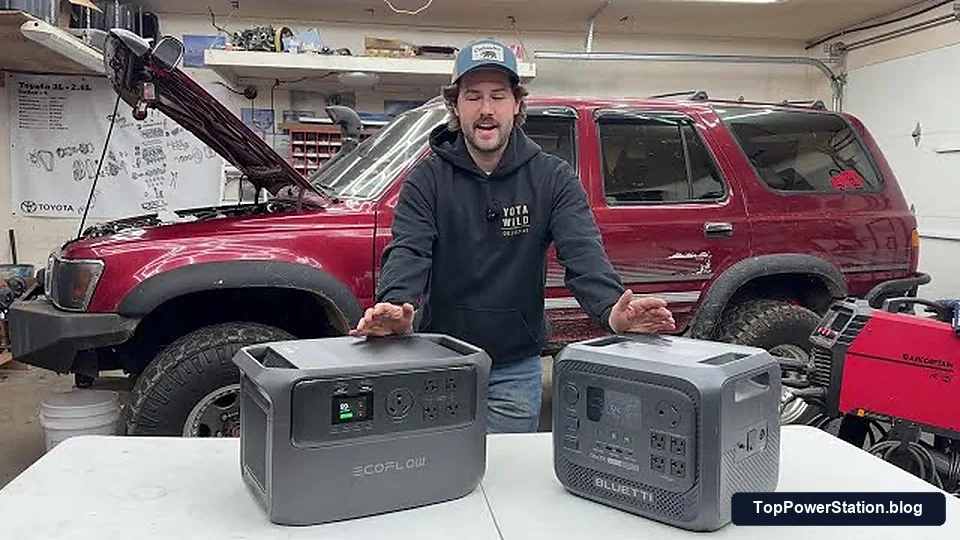
Modern energy storage relies heavily on physical architecture and casing materials. Engineers balance impact resistance with overall system weight to maximize field portability across diverse environments.
As noted in the Bluetti AC200L review, these units typically employ LiFePO4 battery chemistry for their core architecture, delivering superior thermal stability and much higher baseline cycle counts than older competitor designs.
Goal Zero Yeti models often favor NMC lithium cells in certain form factors to prioritize high energy density, requiring sophisticated battery management systems to monitor thermal thresholds safely.
- Bluetti prioritizes integrated, single-chassis high-capacity battery monoliths.
- Goal Zero Yeti utilizes modular expansion docks and rugged aluminum frames.
- Both systems incorporate advanced battery management systems for thermal safety.
Cell Chemistry and Architecture
Internal cell selection dictates lifespan, safety profiles, and discharge characteristics. LiFePO4 chemistry dominates modern configurations due to superior thermal stability and extended operational longevity.
Older modular setups sometimes employ traditional lithium-ion variants to reduce initial weight. Selecting the right chemistry ensures safe handling during high-draw electrical appliances.
- Lithium iron phosphate offers thousands of deep discharge cycles.
- Modular housing allows swapping external battery tanks easily.
Inverter Topologies
Pure sine wave inverters convert direct current safely into alternating household current. Inverter efficiency directly impacts how long appliances run before total depletion occurs.
Advanced topologies reduce harmonic distortion protecting delicate microprocessors found in modern computing hardware and precision medical devices.
- Pure sine wave output mimics standard utility grid power.
- High surge thresholds prevent tripping during motor startup.
Real-World Performance and Power Delivery
Benchmarking real-world performance involves testing continuous output under heavy loads. As seen in the Bluetti EB3A review, continuous wattage ratings indicate sustained performance without unexpected thermal shutdowns.
Voltage stability remains crucial when running sensitive electronics during extended power outages or remote camping expeditions in remote wilderness locations.
Modern pure sine wave inverters integrated into these power stations ensure clean harmonic distortion levels, protecting sensitive medical equipment and precision microprocessors from sudden electrical noise.
Continuous output wattage ratings dictate sustained heavy appliance operation, while high peak surge capacities safely handle demanding inductive loads like refrigerator compressor motors during initial startup phases.
- Continuous load testing measures sustained thermal output limits.
- Surge capacity handles high-draw compressor refrigerators safely.
- Voltage regulation keeps electronic devices functioning properly.
Continuous versus Surge Loads
Electrical motors require significant initial surge wattage during startup phases. Surge capability allows generators to handle refrigerators and power tools without dropping voltage.
Exceeding continuous thresholds triggers internal circuit protection mechanisms to prevent permanent hardware damage to internal electronic components.
- Inductive loads demand double their running wattage momentarily.
- Overload protection disconnects AC ports immediately.
Thermal Management Systems
Active cooling fans and internal heatsinks prevent dangerous component overheating during high-draw operations. Thermal regulation ensures consistent power delivery during hot summer weather.
Poorly ventilated enclosures risk premature battery degradation and sudden emergency shutdowns during critical home backup scenarios.
- Variable-speed fans optimize airflow while minimizing noise.
- Thermal sensors throttle output if temperatures rise.
Charging Capabilities and Input Speeds
Replenishing stored energy quickly dictates how practical a generator is during rolling blackouts. Solar charging speeds depend on built-in maximum power point tracking charge controller limits.
Wall grid charging utilizes rapid internal rectifiers to restore full capacity within a few short hours of utility power restoration.
Rapid AC wall recharging circuits utilize advanced high-wattage internal power supplies to restore depleted batteries from zero to full operational capacity in under two hours.
Solar array integration requires strict attention to MPPT voltage ranges and open-circuit voltage limits to prevent internal charge controller damage during peak midday sunlight conditions.
- High-voltage solar inputs maximize panel string efficiency.
- AC wall charging restores full capacity rapidly.
- Car cigarette lighter charging serves as a backup method.
Solar Array Integration
Connecting portable solar panels requires matching open-circuit voltage ratings precisely. MPPT controllers extract maximum possible wattage from photovoltaic arrays in variable weather.
Exceeding maximum solar input voltage can permanently damage internal charge controller circuits instantly.
- Open-circuit voltage limits dictate safe panel configurations.
- Parallel connections increase amperage safely within specs.
AC Grid Replenishment
Plugging into standard wall outlets provides the fastest method for routine battery replenishment. Fast charging modes draw high current safely through dedicated heavy-duty power cords.
Users should monitor circuit breaker loads when utilizing maximum AC input speeds in older residential buildings.
- Dedicated AC input ports bypass external power bricks.
- Adjustable charging speeds protect domestic wiring systems.
Maintenance, Efficiency and Longevity
Long-term ownership costs depend heavily on cycle durability and parasitic idle drain. Data from the Bluetti AC70 review shows how cycle life metrics reveal how many years a power station maintains useful capacity.
Proper storage practices during off-seasons significantly reduce chemical degradation and maintain optimal internal resistance values over time.
Standard round-trip conversion efficiency losses typically hover between ten and fifteen percent due to DC-to-AC inversion heat dissipation and baseline internal circuitry resistance.
Essential long-term maintenance involves keeping firmware updated, clearing dust from cooling intake vents, and storing units at moderate state-of-charge levels during prolonged off-season periods.
- Routine inspections catch frayed cables early.
- Firmware updates optimize performance over time.
Cycle Life Projections
Manufacturers measure lifespan by complete discharge and recharge cycles before degradation. Capacity retention drops gradually over years of regular daily utilization.
Advanced battery management algorithms optimize charging voltages to extend overall chemical longevity considerably.
- Depth of discharge affects total usable lifespan.
- Cell balancing prevents premature capacity loss.
Parasitic Drain and Idle Loss
Internal monitoring circuits consume minor amounts of energy even when AC outputs remain off. Idle loss can deplete a stored battery over several weeks of inactivity.
Users should store units at partial charge levels and disconnect auxiliary accessories during prolonged storage periods.
- Display screens contribute to standby energy consumption.
- Master power switches eliminate parasitic drain completely.
Ergonomics, Build Quality and Portability
Physical dimensions and handle placement dictate transport ease. As highlighted in our Bluetti AC180 review, proper weight distribution prevents strain during manual loading into vehicle trunks.
Ruggedized external housings protect sensitive internal electronics against accidental drops and abrasive job site conditions.
Durable chassis construction frequently combines high-impact ABS plastics with reinforced internal aluminum frames to successfully withstand accidental drops and rugged outdoor transit environments.
Ergonomic handle design and balanced weight distribution directly impact carry comfort, especially when transporting heavy battery banks across uneven terrain to remote off-grid campsites.
- Ergonomic handles improve grip security during transport.
- Impact-resistant chassis materials absorb shock effectively.
- Compact footprints optimize storage space in camper vans.
Weight Distribution and Handles
Heavy energy storage units require balanced carrying handles for safe two-person lifts. Center of gravity engineering prevents units from tilting awkwardly during transport.
Molded recesses and folding handles save precious space when packing gear tightly for extended road trips.
- Dual-person handles assist with heavy capacity units.
- Flush-folding designs prevent snagging on gear.
Display Interfaces and App Control
Digital LCD screens provide real-time metrics regarding input wattage and remaining runtime. Smart app connectivity via Bluetooth allows remote monitoring from a distance.
Clear typography and backlit displays ensure effortless readability in dark emergency settings or bright sunlight.
- Bluetooth monitoring tracks energy consumption remotely.
- Error code readouts simplify troubleshooting procedures.
Ecosystem Expandability and Modular Add-ons
Modular ecosystem design lets users scale battery capacity without purchasing entire replacement units. Expansion ports enable seamless connection of auxiliary battery packs safely.
Home integration hubs allow backup generators to feed power directly into residential breaker panels safely.
Expanding total watt-hour storage capacity relies on proprietary connection cables linking heavy supplementary battery packs directly to the primary power station bus.
Smart modular expansion enables users to scale their off-grid energy reserves over time without replacing the expensive core inverter and control hardware assembly.
- Modular expansion tanks scale watt-hours effortlessly.
- Transfer switches link units to household circuits.
- Proprietary cables ensure secure high-current data transfer.
Expansion Battery Limits
Adding external battery modules increases total runtimes during extended grid failures. Maximum capacity limits prevent overloading internal charging circuits and fuses.
Secure locking cables maintain reliable electrical contact across vibrating mobile environments like RVs and trailers.
- Daisy-chaining modules expands total energy storage.
- Voltage matching protects connected battery banks.
Integration with Home Circuits
Manual transfer switches route stored generator power into existing home wiring safely. Grid isolation prevents dangerous backfeeding hazards for utility workers.
Professional installation by licensed electricians ensures compliance with local building codes and safety standards.
- Transfer switches power hardwired home appliances.
- Safe isolation protects local utility grid lines.
Which Option Fits Your Setup
Choosing the ideal portable power station depends heavily on specific use case requirements. Off-grid living demands robust solar integration and high continuous wattage outputs.
Evaluating your daily electrical consumption ensures you select an energy storage system matching your exact power demands.
Selecting the right platform depends heavily on your specific operational application, whether you need rapid portable charging for frequent weekend vehicle camping excursions.
Permanent home backup configurations greatly benefit from ecosystems offering seamless automatic transfer switch integration and robust manufacturer warranty support for long-term peace of mind.
- Analyze your total daily watt-hour consumption carefully.
- Consider portability versus maximum storage capacity.
- Evaluate budget and warranty coverage terms.
Off-Grid Living and RVs
Living remotely requires dependable daily energy generation and storage reliability. Solar compatibility is essential for maintaining battery levels during extended off-grid stays.
Compact footprints allow seamless installation inside restricted camper van storage compartments.
- RV setups demand vibration-resistant construction.
- High solar input speeds maximize cloudy day charging.
Emergency Backup and Job Sites
Job sites demand rugged enclosures capable of withstanding rough handling and dust. Emergency backup units require reliable automatic switching and high surge capacity.
Investing in reputable brands guarantees dependable performance when unexpected power failures strike.
- Job sites require heavy-duty AC receptacle covers.
- Home backup units prioritize quiet overnight operation.
Frequently Asked Questions
What is the main difference between Bluetti and Yeti power stations?
Bluetti units generally feature integrated monolithic designs with advanced LiFePO4 cells. Goal Zero Yeti systems focus on modular expandability and rugged industrial integration.
Can these power stations run household refrigerators during blackouts?
Yes, both brands provide sufficient continuous wattage and pure sine wave output to run standard household refrigerators safely without damaging sensitive compressor motors.
How long do the internal batteries last before degrading?
High-quality LiFePO4 cells typically retain eighty percent capacity after thousands of complete charge cycles, offering a decade of reliable everyday use.
Are these portable power stations safe to use indoors?
Both generate zero toxic exhaust fumes, making them completely safe for indoor emergency use unlike traditional gas-powered backup generators.
Can I charge my power station using portable solar panels?
Yes, built-in charge controllers allow seamless connection to compatible photovoltaic arrays for renewable off-grid energy replenishment.