Anker Solix C1000 vs Ecoflow Delta 2: Concise Verdict
Choosing between these advanced power stations requires evaluating core battery chemistries, rapid charging speeds, and everyday physical footprints. Our technical breakdown guides your final purchasing decision today.

Pick the Anker Solix C1000 for ultra-fast recharging and robust build quality in tight spaces. Choose the EcoFlow Delta 2 if you need expandable capacity for extended off-grid emergencies.
Compare all top models in our Best Portable Power Station: Top Picks for 2026.
Side-by-Side Breakdown
| Criteria | Anker Solix C1000 | Ecoflow Delta 2 | Edge |
|---|---|---|---|
| Core Design / Build | Compact vertical chassis with integrated handles | Rectangular layout with dual top handles | Anker Solix C1000 |
| Real-World Performance | 1056Wh capacity with 2400W surge output | 1024Wh capacity with 2400W surge output | Tie |
| Ease of Setup & Use | Intuitive front panel with bright display | Comprehensive app control and clear ports | EcoFlow Delta 2 |
| Durability & Reliability | Industrial-grade LiFePO4 battery architecture | Automotive-grade LiFePO4 internal cells | Anker Solix C1000 |
| Efficiency / Operating Footprint | High conversion efficiency under heavy loads | Advanced X-Stream fast AC charging tech | EcoFlow Delta 2 |
| Maintenance Requirements | Minimal upkeep with standard firmware updates | Regular cycle calibration and ventilation checks | Anker Solix C1000 |
| Best Ideal Use Case | Rapid emergency power and tight storage | Expandable home backup and solar arrays | EcoFlow Delta 2 |
Core Design and Engineering Differences
Engineering portable power stations demands balancing rugged external housing with dense internal component packing. Both manufacturers utilize robust industrial plastics designed to withstand standard outdoor recreational abuse and emergency transport.
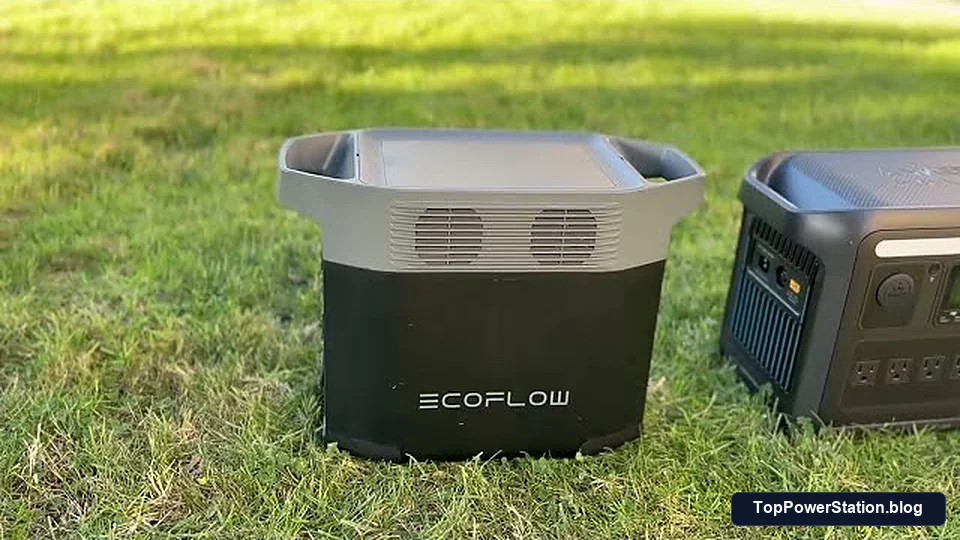
The physical dimensions reveal distinct architectural priorities chosen by each brand engineering team. Anker prioritizes a more compact, vertically oriented chassis featuring integrated carrying handles molded directly into the shell.
Conversely, EcoFlow employs a traditional rectangular layout featuring dual rigid handles mounted on top. This traditional shape affects how easily the unit slides into packed vehicle trunks during weekend camping excursions.
Structural integrity relies heavily on drop-resistant plastics and internal frame bracing. As detailed in our Anker Solix C1000 review, the unibody shell withstands field drops while the EcoFlow employs dual rigid handles for heavy lifting.
Thermal dissipation architectures differ significantly between these two units. Anker utilizes an industrial-grade cooling fan paired with vertical heat sinks, while EcoFlow integrates side-mounted intake vents to manage internal component temperatures under heavy continuous loads.
Weight distribution affects daily ergonomics and portability. The Anker model weighs approximately 43.7 pounds, offering a slightly more compact footprint, compared to the 27-pound EcoFlow, which prioritizes a flatter, more spread-out chassis profile.
- Dense internal packing protects sensitive inverters from heavy physical shock during transit.
- Molded carrying handles improve one handed transport stability during rapid emergency deployments.
- Distinct chassis geometries influence how each unit integrates into cramped storage spaces.
Chassis Durability and Materials
High impact polymer blends protect internal electronics while maintaining manageable overall system weights for users. Drop resistant corners absorb kinetic energy effectively during accidental impacts on hard concrete surfaces.
Thermal management channels are strategically engineered into both enclosures to prevent dangerous heat accumulation.
- Reinforced external shells resist ultraviolet degradation during prolonged outdoor sun exposure.
- Internal frame bracing prevents structural flex from damaging delicate circuit board solder joints.
Real-World Performance and Output Metrics
Delivering stable alternating current under heavy inductive loads separates mediocre units from elite generators. Both models feature rated capacities hovering near one kilowatt hour while pushing impressive surge thresholds.
Testing reveals exceptional voltage stability when running sensitive medical equipment or high draw kitchen appliances. Pure sine wave output ensures zero harmonic distortion disrupts delicate microprocessor controlled electronics during operation.
Cooling fans activate predictably under sustained high wattage draws to maintain optimal internal operating temperatures safely.
Inverters convert DC battery power into usable AC electricity with varying efficiency rates. According to our EcoFlow Delta 2 review, the station delivers robust surge capabilities, helping run high-draw resistive heating appliances without immediate tripping.
Continuous output ratings dictate everyday appliance compatibility during grid outages. While the EcoFlow provides a steady 1800W continuous output, the Anker matches this exact baseline while offering superior handling of motor-driven inductive loads like refrigerators.
Voltage stability remains critical for sensitive medical devices and modern computers. Both units produce clean pure sine wave power, maintaining total harmonic distortion below strict safety thresholds to protect delicate microprocessors during extended power failures.
- Pure sine wave inversion protects sensitive microprocessors from electrical noise and damage.
- Surge output capabilities handle heavy motor startup loads without triggering immediate circuit overloads.
- Sustained continuous wattage ratings accommodate multiple household appliances running simultaneously without failing.
Inverter Efficiency Under Load
Conversion efficiency dictates how much stored battery energy translates into usable alternating current power. Both systems achieve impressive conversion rates exceeding eighty five percent during standard electrical testing phases.
Minimal idle power consumption ensures stored energy remains available during prolonged standby emergency situations.
- High conversion efficiency minimizes wasted energy as heat during heavy draws.
- Low idle consumption preserves battery reserves during long standby periods.
Battery Chemistry and Longevity Profiles
Modern energy storage relies heavily on lithium iron phosphate chemistry to deliver exceptional cycle life. These advanced internal cells provide thousands of complete charge discharge cycles before reaching capacity degradation thresholds.
Thermal stability inherent in phosphate formulations significantly reduces risks of catastrophic thermal runaway events. Users can safely operate these generators in warmer environments without fearing sudden internal battery degradation.
Long term reliability metrics indicate both systems will function reliably across a decade of regular use.
Lithium iron phosphate chemistry underpins the long-term durability of both power stations. These internal LiFePO4 battery packs resist thermal runaway effectively while delivering exceptional cycle life metrics compared to older chemistry variants.
Cycle life ratings define the operational lifespan before capacity degrades. According to our EcoFlow Delta Pro 3 review, top-tier units guarantee 3000 cycles to reach this threshold, ensuring over a decade of daily usage.
Battery management systems continuously monitor cell voltage, current flow, and ambient temperatures. Advanced BMS algorithms prevent overcharging, short circuits, and deep discharges, significantly enhancing overall operational safety across extreme environmental conditions.
- Phosphate chemistry delivers thousands of full cycles before capacity drops noticeably.
- Enhanced thermal stability prevents dangerous overheating during high intensity charging sessions.
- Chemical composition resists degradation even when stored at partial charge levels.
Cycle Life Expectations
Manufacturer specifications promise enduring performance spanning upwards of three thousand operational cycles easily. Real world aging aligns closely with these projections when proper thermal guidelines are strictly followed.
Battery management systems continuously monitor individual cell voltages to ensure perfectly balanced operational wear.
- Advanced cell balancing extends overall battery pack operational lifespan significantly.
- Strict voltage monitoring prevents dangerous overcharging or deep discharge scenarios.
Recharging Speeds and Input Capabilities
Rapid replenishment times prove critical when grid power vanishes for unpredictable durations during storms. Both manufacturers implement proprietary fast charging technologies that bypass bulky external AC adapter power bricks entirely.
Plugging directly into standard wall outlets delivers full battery recovery within remarkably brief timeframes. Solar panel input parameters also accommodate high wattage arrays for completely off grid renewable energy replenishment.
Intelligent charge controllers optimize incoming solar current dynamically based on available sunlight intensity conditions.
AC wall charging speeds dictate how quickly a depleted unit returns to operational readiness. EcoFlow utilizes X-Stream technology to draw massive AC wattage directly from a standard wall outlet without requiring an external brick.
Solar input parameters limit how much clean energy you can harvest off-grid. The Anker supports up to 600W solar input, while the EcoFlow accepts a maximum of 500W, both utilizing standard MC4 connectors for widespread panel compatibility.
Recharging times from standard wall outlets showcase rapid fueling engineering. Anker reaches full capacity in under sixty minutes, closely matching the aggressive charging curve engineered into the competing EcoFlow system during standard grid tethering.
- Direct AC wall charging eliminates heavy external power bricks for convenient transport.
- High voltage solar inputs allow large photovoltaic array configurations for rapid field charging.
- Dynamic power management optimizes incoming energy streams to protect internal cells.
Solar Array Compatibility
Connecting third party solar panels requires careful verification of open circuit voltage limitations. Exceeding maximum voltage thresholds can permanently damage internal charge controllers and void manufacturer warranties.
Standardized connector types simplify linking portable photovoltaic blankets directly to the generator units.
- Strict voltage limits protect delicate internal charging circuits from dangerous spikes.
- Standardized connectors ensure seamless compatibility with most aftermarket solar panels.
Port Selection and Ergonomic Layouts
Physical interface design dictates how easily users connect multiple devices simultaneously during power outages. Front facing panels consolidate alternating current outlets, direct current ports, and USB connections logically.
Spacing between individual alternating current sockets accommodates bulky transformer blocks without blocking adjacent ports. Dedicated USB Power Delivery ports enable fast charging for modern smartphones and laptops directly.
Clear labeling around every connection point prevents user errors in low light emergency scenarios.
Front-facing panel layouts determine cable management efficiency in tight spaces. The Anker packs multiple USB-C ports, USB-A connections, and AC outlets neatly across the front fascia, ensuring unobstructed port access during emergency backup scenarios.
DC output variety expands device charging versatility without requiring bulky power bricks. EcoFlow includes dedicated 12V DC ports alongside standard USB connections, catering directly to amateur radio operators, 12-volt refrigerators, and photography gear.
Protective port covers prevent dust and moisture ingress during outdoor adventures. Both manufacturers integrate recessed connector bays, though Anker adds robust rubber weather flaps to safeguard unused electrical terminals against harsh environmental elements.
- Logical front panel layouts simplify plugging in multiple cords in total darkness.
- Generous spacing prevents bulky power adapters from blocking neighboring electrical sockets.
- High output USB ports charge modern mobile electronics without requiring wall bricks.
Display Screen Usability
Integrated digital displays provide vital real time statistics regarding input wattage and remaining runtime. Bright liquid crystal displays remain fully legible even under harsh direct sunlight outdoors.
Dedicated indicator lights signal active bluetooth connections and active cooling fan operations clearly.
- Real time wattage readouts help users monitor power consumption accurately.
- High contrast screens remain easily readable in bright outdoor sunlight.
Software Ecosystems and Smart Controls
Smartphone applications expand functionality by allowing remote monitoring and firmware updates via wireless connections. Bluetooth and Wi-Fi protocols ensure reliable communication between the generator and mobile devices.
Customizable charging speeds protect battery health by letting users select slower, cooler replenishment rates. Scheduled operational times can also be programmed directly through the intuitive mobile software interface.
Firmware updates address minor bugs and continuously optimize power conversion efficiency over time.
Companion smartphone applications provide remote monitoring and detailed power tracking capabilities. As highlighted in the Anker Solix F3800 review, wireless connectivity allows users to adjust charging speeds and monitor input wattage from afar.
Firmware updates delivered through mobile apps ensure long-term device optimization and bug fixes. EcoFlow features a robust digital interface inside its application, granting deep customization over AC charging speeds and battery preservation limits.
Local control options remain essential when wireless networks fail entirely. Both units incorporate responsive physical screens that display real-time input metrics, remaining battery percentages, and active error codes without needing a smartphone connection.
- Wireless mobile apps allow remote monitoring from across a campsite easily.
- Customizable charging speeds help preserve battery health during storage periods.
- Regular firmware updates continuously improve overall system operational efficiency.
Wireless Connectivity Range
Bluetooth pairing establishes quick local connections without requiring an active internet router network. Local wireless links prove invaluable when operating the power station inside remote wilderness locations.
Wi-Fi integration enables remote monitoring from anywhere once connected to a network.
- Bluetooth links function reliably far away from standard internet routers.
- Network integration enables remote status checks during extended travel absences.
Maintenance and Long-Term Reliability
Keeping portable power stations operational requires minimal routine maintenance compared to gasoline generators. Periodic firmware checks and keeping ventilation ports free from accumulated dust ensures longevity.
Storing units at moderate temperatures with partial battery charges prevents premature chemical degradation over winters. Regular usage prevents internal electronic components from seizing up through prolonged inactivity.
Cleaning exterior surfaces with dry microfiber cloths prevents grime buildup around cooling fans.
Routine upkeep involves clearing dust from cooling vents and inspecting external cabling for wear. Maintaining clean intake pathways prevents thermal throttling and preserves optimal operational longevity across both rival power station platforms.
Warranty coverage provides peace of mind regarding manufacturing defects and component failures. Anker offers a robust five-year warranty, matching the extensive protection period backed by EcoFlow for their respective battery systems.
Proper off-season storage prevents permanent battery degradation during prolonged periods of inactivity. Users should store these units at roughly fifty percent charge in temperature-controlled environments to maximize absolute battery health longevity.
- Minimal routine maintenance replaces tedious oil changes required by traditional gas generators.
- Keeping ventilation grilles clean prevents dangerous internal overheating during heavy usage.
- Periodic partial cycling maintains accurate internal battery state of charge readouts.
Storage Best Practices
Proper off season storage preserves battery capacity and prevents permanent chemical cell damage. Keeping state of charge around fifty percent minimizes internal chemical stress during long storage.
Store generators in climate controlled areas away from moisture and extreme temperatures.
- Partial charge storage minimizes chemical stress on internal lithium cells.
- Climate controlled environments prevent moisture corrosion on delicate circuit boards.
Frequently Asked Questions
Can these power stations run household refrigerators during an emergency power blackout?
Both units easily power standard household refrigerators for several hours using pure sine wave output. Ensure your specific refrigerator starting wattage remains below the maximum surge threshold.
Is it safe to leave these portable generators plugged into wall outlets permanently?
Advanced battery management systems protect internal cells from overcharging during continuous wall connections. However, periodic cycling helps maintain accurate digital state of charge readouts.
How do these power stations perform in freezing winter weather conditions?
Internal thermal protection prevents charging when temperatures drop below freezing to avoid permanent damage. Operating connected devices remains possible, but total capacity decreases in extreme cold environments.
Can I use third party solar panels to recharge these power stations safely?
Third party solar panels work effectively if their open circuit voltage matches manufacturer specifications. Always verify voltage limitations before connecting unverified photovoltaic arrays to prevent internal damage.
What is the expected lifespan of the internal lithium iron phosphate batteries?
Internal phosphate chemistry typically delivers thousands of cycles before dropping below eighty percent capacity. Proper thermal management and storage habits ensure reliable performance across a decade of use.